


GPU-as-a-Service Explained: What Allbirds' Wild 580% Stock Jump Means for Your Gaming PC Build
Remember when Pokémon cards were just for playing the game? Then everyone realized Charizard was worth more than a used Honda Civic. Well, something similar just happened in the tech world, and it's got massive implications for anyone planning a custom gaming PC build.
Allbirds — yes, the company that made those wool sneakers your coworkers wear — just pulled off the most unexpected pivot since Netflix ditched DVD-by-mail. They're selling their entire shoe business and becoming a GPU-as-a-Service provider. Their stock exploded 580% in one day. That's not a typo.
But what does this mean for PC gamers looking to build their dream rig?
The GPU Gold Rush Just Got Real
Think about it this way: when everyone discovered that old Magic: The Gathering Alpha cards were sitting on literal goldmines, card shops couldn't keep product on shelves. Same energy here. Allbirds raised $50 million specifically to buy enterprise GPUs and rent them out as cloud computing power.
Hot take: this signals that GPU demand isn't slowing down anytime soon. If a freaking shoe company is willing to bet their entire business on graphics cards, you know we're in uncharted territory.
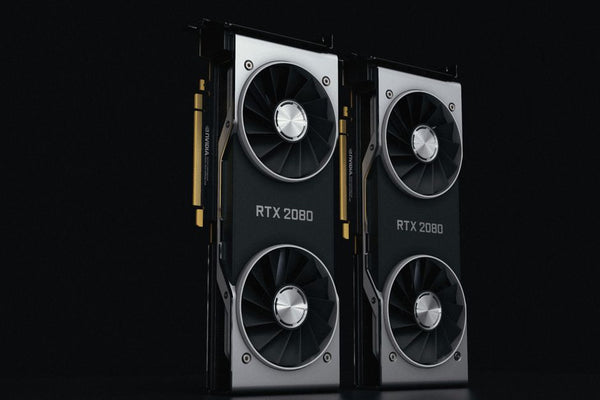
I was chatting with a customer at our shop in Orange, TX last week about their RTX 4070 Ti build, and they asked if GPU prices would drop soon. Honestly? Moves like Allbirds' suggest the opposite. When non-tech companies are pivoting to become GPU landlords, that's demand pressure that'll keep prices elevated.
What GPU-as-a-Service Actually Means
Imagine if you could rent individual PC components instead of buying them. That's essentially what Allbirds is doing, but for massive enterprise clients who need computing power for AI training and machine learning.
They're not targeting gamers directly, but they're competing for the same silicon we want in our gaming PC builds. It's like when crypto miners were buying every RTX 3080 in existence. Different use case, same supply crunch.
"GPU-as-a-Service providers are essentially becoming the new landlords of artificial intelligence computing power."
How This Affects Your Custom Gaming PC Planning
Remember when you could walk into any electronics store and grab a mid-range GPU for $300? Those days feel ancient now. But here's the thing — understanding market forces helps you make smarter buying decisions.
If companies like Allbirds are willing to pay premium prices for enterprise GPUs, that creates a trickle-down effect. Manufacturers prioritize higher-margin enterprise sales. Gaming GPUs become secondary.
Strategic Buying in the New GPU Landscape
Personally, I think the smart play right now is targeting the sweet spot between performance and availability. The RTX 4060 Ti and RTX 4070 models offer solid 1440p gaming without competing directly with enterprise demand.
Want proof this strategy works? Look at the RTX 4070's street pricing versus the RTX 4090. That flagship card regularly goes out of stock because data centers snap them up. The 4070? Usually available, often on sale.
Here's my current recommendation hierarchy for anyone building right now:
- RTX 4070 for 1440p gaming — best value proposition in this market
- RTX 4060 Ti if you're budget-conscious but want decent 1440p performance
- RTX 4070 Ti if you need that extra headroom and don't mind paying premium
The AMD Opportunity
While everyone obsesses over NVIDIA's AI dominance, AMD's gaming-focused GPUs are flying under the radar. The RX 7800 XT delivers RTX 4070-level performance often at lower prices because enterprise clients aren't fighting you for inventory.
It's like finding undervalued cards in a TCG set because everyone's chasing the mythic rare. Sometimes the uncommon card with similar stats costs 80% less.
Building Around Market Reality
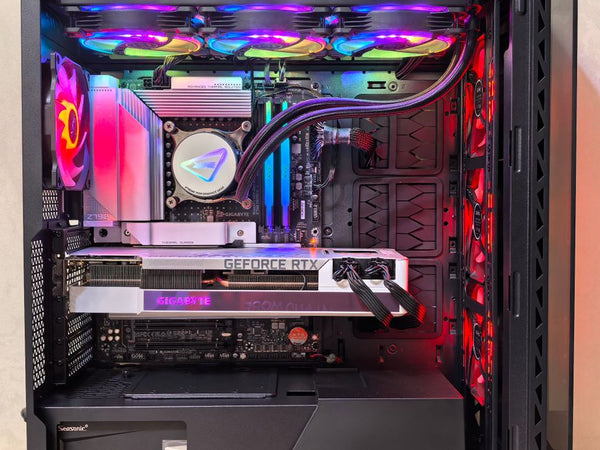
Should Allbirds' pivot change your PC build guide approach? Absolutely, but not in the way you might think.
Instead of waiting for prices to crash, focus on building a system that maximizes what you can actually buy today. That might mean going with a slightly less powerful GPU now and upgrading later, rather than waiting indefinitely for your dream card to become affordable.
I've seen too many customers wait two years for the "perfect" GPU deal while missing out on thousands of hours of gaming time. Don't be that person.
Future-Proofing in Uncertain Times
The Allbirds situation highlights something crucial: GPU demand is diversifying beyond gaming and crypto. AI workloads, cloud computing, and now GPU-as-a-Service providers are all competing for the same silicon.
This means traditional upgrade cycles might not apply anymore. The days of buying a flagship GPU and using it for 4-5 years could be ending. Market volatility suggests shorter upgrade cycles with mid-range cards might be more economical.
Think of it like deck building in TCG metas that shift every three months. You don't buy the most expensive cards — you buy the most adaptable ones.
What This Means for 2024 Builds
Allbirds dropping $50 million on GPU infrastructure isn't an isolated incident. It's a signal that demand for graphics processing power is becoming institutionalized. When institutional money enters any market, prices stabilize higher.
But here's where it gets interesting: this could actually benefit gaming in weird ways. If GPU-as-a-Service takes off, game developers might optimize better for cloud gaming scenarios. That could mean better performance scaling across different hardware tiers.
Lowkey, I'm curious to see if this creates opportunities for smaller GPU manufacturers. When the big players focus on enterprise clients, sometimes the gaming market opens up for more creative solutions.
The real question isn't whether GPU prices will drop — it's whether you're building a PC that can adapt to whatever comes next. And honestly? That probably looks more like smart component selection than waiting for perfect market timing.
If you're serious about your build, shop GPUs at TieredUp Tech and focus on cards that deliver solid performance today rather than chasing theoretical future savings. Because if Allbirds taught us anything, it's that this market doesn't follow traditional rules anymore.
The GPU landscape just got a lot more interesting. Time to adapt your building strategy accordingly.














Leave a Comment