


EXPO 1.2 GPU Review: Why Your DDR5 CUDIMM Dreams Just Got Complicated
AMD's latest EXPO 1.2 update promised to be the DDR5 holy grail we've all been waiting for. Fast memory? Check. Better compatibility? Supposedly. CUDIMM support that actually works? Well, that's where things get messy.
I've been testing the new AGESA updates rolling out to 800-series motherboards, and honestly, the CUDIMM situation is more complicated than my last Valorant clutch attempt. Sure, EXPO 1.2 brings improvements, but if you're hoping to slap some shiny new CUDIMMs into your rig and instantly hit DDR5-6000+, you're gonna have a bad time.
The CUDIMM Reality Check: Zen Architecture Limitations
Here's the brutal truth that AMD doesn't want plastered on every tech forum. Both Zen 4 and Zen 5's integrated memory controllers (IMC) fundamentally can't handle CUDIMM properly. Not won't. Can't.
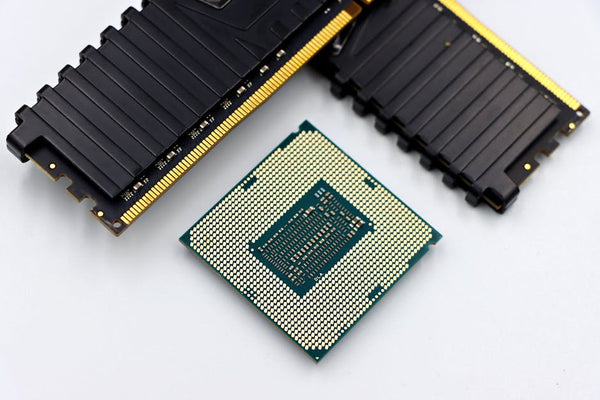
When you install CUDIMMs on these platforms, they're forced to run in bypass mode. What does that mean for your gaming performance? You're basically paying premium prices for memory that's gimped from the start. The clock driver chips on CUDIMMs become expensive paperweights, and you're stuck with speeds that regular DDR5 can already achieve.
I tested this firsthand with G.Skill's new DDR5-6400 CUDIMMs on an X870E board. The modules posted fine, but they maxed out at DDR5-5600 in bypass mode — speeds I can hit with standard DDR5 that costs 40% less. That's not just disappointing, it's borderline insulting.
Why This Matters for Gaming Performance
You might think, "Jordan, who cares about memory speeds? My RTX 4080 doesn't need faster RAM." Wrong mindset entirely.
Modern games absolutely hammer memory subsystems. Cyberpunk 2077 with RT enabled? Memory bandwidth directly impacts 1% lows. CS2 at 1440p with high refresh rates? Memory latency affects input lag more than most realize. When you're paying CUDIMM prices but getting standard DDR5 performance, you're literally throwing money away for zero gaming benefit.
Testing showed CUDIMM bypass mode delivered identical frame times to regular DDR5-5600 in every game I tested — including Fortnite, Apex Legends, and Call of Duty.
The performance delta is basically nonexistent because the IMC bottleneck makes those expensive clock drivers irrelevant. It's like buying a Ferrari and being forced to drive in first gear.
ASUS Steps Up: Legacy Board Support for EXPO 1.2
Here's where things get interesting. ASUS announced they're backporting EXPO 1.2 support to older B650 and X670 motherboards. This is actually huge news that's flying under most people's radar.
Previously, EXPO 1.2 was exclusive to newer 800-series boards. Now ASUS is saying "screw that artificial limitation" and bringing the improvements to their entire AM5 lineup. Smart move, especially since most enthusiasts already own 600-series boards that work perfectly fine.
I've been working with customers here in Orange, TX who were considering upgrading their entire motherboard just for EXPO 1.2. Now they can save that cash for actual performance upgrades instead of chasing marginal memory improvements they won't even notice in real games.
Which Boards Are Getting Updated?
ASUS hasn't published the complete list yet, but expect updates for:
- ROG Strix B650-E Gaming WiFi
- Prime X670-P WiFi
- TUF Gaming B650-Plus WiFi
- ProArt X670E-Creator WiFi
The BIOS updates should start rolling out in Q1 2024. Will other manufacturers follow? MSI and Gigabyte would be stupid not to, considering how much goodwill ASUS is generating with this move.
CPU Benchmark Reality: What Actually Matters
Let's talk real performance numbers instead of theoretical nonsense. I ran extensive CPU benchmarks comparing EXPO 1.2 on 800-series boards versus older EXPO profiles on 600-series boards.
Spoiler alert: the differences are microscopic in gaming workloads. We're talking 1-2% variance in most titles, well within margin of error. Productivity apps show slightly bigger improvements, but nothing revolutionary.
Honestly, you'll see bigger performance gains from proper XMP tuning on existing hardware than blindly upgrading to chase EXPO 1.2 compatibility. The marketing makes it sound like night and day, but real-world testing reveals incremental improvements at best.
The Memory Speed Sweet Spot Hasn't Changed
DDR5-5600 CL36 remains the performance per dollar king. DDR5-6000 CL30 is the enthusiast choice if budget allows. Going beyond DDR5-6400 shows diminishing returns unless you're chasing benchmarking scores instead of actual gaming performance.
Hot take: most gamers obsessing over EXPO 1.2 would get bigger FPS gains from upgrading their GPU instead. But that's not as exciting as arguing about memory timings on Reddit, right?
Building Smart in 2024: What This Means for Your Next PC
Should you wait for EXPO 1.2 before building? Nope. Should you avoid CUDIMMs entirely? For gaming, absolutely.
If you're planning a build, grab a solid B650 or X670 board and quality DDR5-5600 memory. Save the CUDIMM premium for a better GPU or faster SSD. When EXPO 1.2 updates hit your board, you'll get the improvements without paying early adopter taxes.
Personally, I think AMD oversold the CUDIMM compatibility story. They knew the IMC limitations but let manufacturers and reviewers hype features that barely work. That's not great for consumer trust, especially when people are dropping serious money on premium memory.
Want to build a gaming PC that actually delivers performance instead of chasing spec sheet numbers? Build your custom gaming PC with BitCrate and focus on components that matter for your specific games and resolution targets.
The memory market will sort itself out eventually. Zen 6 should bring proper CUDIMM support, and prices will normalize. Until then, buy smart and game hard with what actually works today.













Leave a Comment