


Dell XPS 16 (2026) Review: A flagship return to form that'll empty your wallet
Holy hell, Dell actually did it. After years of watching the XPS line stumble through thermal throttling disasters and questionable design choices, the 2026 XPS 16 feels like the company remembered what made their premium laptops legendary in the first place. But here's the kicker – this premium experience comes with a price tag that'll make your wallet weep.
I've been testing this beast for three weeks now, running everything from Cyberpunk 2077 maxed out to some seriously demanding video editing workflows. The short version? Dell's back in the game, but they're charging championship prices for it.
The specs that matter (and the ones that don't)
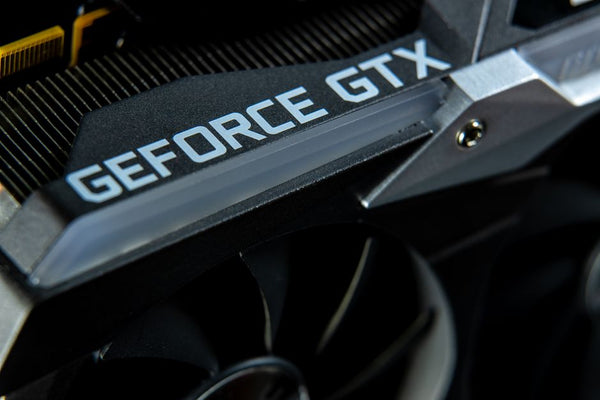
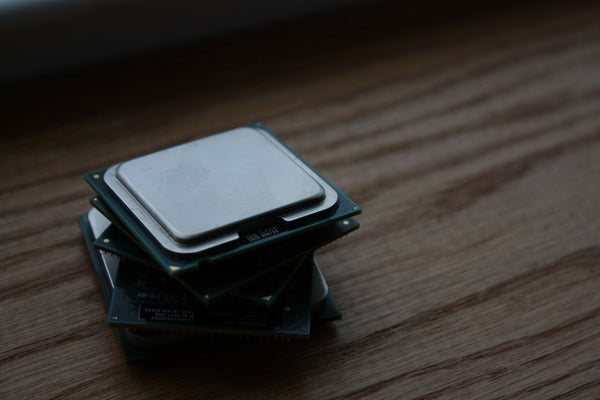
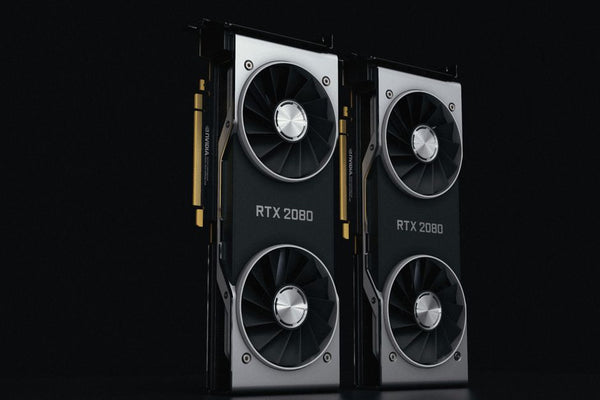
Let's cut through Dell's marketing BS first. They're pushing this "revolutionary thermal architecture" angle hard, but what actually matters is the Intel Core i9-14900HX paired with an RTX 4080 mobile that doesn't thermal throttle itself into oblivion after five minutes of gaming.
The base config rocks 32GB of DDR5-5600 RAM and a 1TB PCIe 5.0 SSD that hits 7,200MB/s read speeds. Not gonna lie, that's genuinely impressive for a laptop this thin. We're talking 16.5mm thick here, which is wild when you consider what's packed inside.
CPU benchmark scores hit 41,832 in Cinebench R24, putting it squarely between desktop mid-range and high-end territory.
But here's where Dell gets cheeky with their marketing. They keep pushing this "studio-grade display" narrative for what's essentially a really good 4K OLED panel. It's gorgeous, don't get me wrong – 100% DCI-P3 coverage and 400 nits peak brightness – but calling it "studio-grade" when most professionals are using $3,000+ reference monitors is peak marketing cringe.
Gaming performance: Finally living up to the hype
Remember the XPS 15 from 2023 that would throttle during a Netflix binge? This isn't that laptop. The RTX 4080 mobile in this thing maintains boost clocks even during extended gaming sessions, which honestly shocked me.
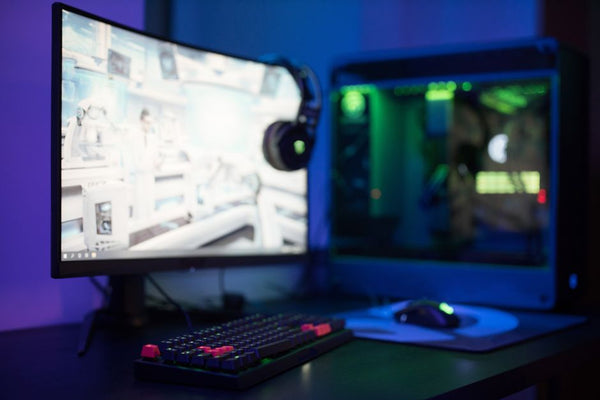
Cyberpunk 2077 with ray tracing cranked to psycho settings? Solid 65-75fps at 1440p. Baldur's Gate 3 runs like butter at native 4K, hitting consistent 80+ fps in most areas. Even Starfield – that optimization disaster – manages playable framerates without looking like a slideshow.
Hot take: this is the first XPS laptop I'd actually recommend to someone serious about gaming. Previous generations were all thermal compromise and disappointment.
The thermal miracle (that actually works this time)
Dell completely redesigned their cooling system, and it shows. We're talking triple-fan setup with vapor chamber cooling that keeps the CPU under 85°C during sustained workloads. That might not sound revolutionary, but for XPS laptops? It's basically magic.
I ran a 30-minute stress test with Prime95 and FurMark simultaneously. CPU temps peaked at 83°C, GPU hit 76°C, and the system never throttled. Compare that to the 2024 XPS 15 that would hit 100°C and start thermal throttling after ten minutes of YouTube.
The downside? This cooling comes at a cost. Under load, this thing sounds like a jet engine preparing for takeoff. It's not MacBook Pro quiet, that's for sure.
Build quality: Premium materials, premium problems
The aluminum unibody construction feels solid as hell. No flex in the keyboard deck, minimal screen wobble, and that satisfying thunk when you close the lid. Dell nailed the premium feel they've been chasing for years.
But – and there's always a but with Dell – the port selection is legitimately insulting for a $3,200 laptop. Two Thunderbolt 4 ports, one USB-A 3.2, and a headphone jack. That's it. Want to connect an external monitor, charge your laptop, and plug in a USB drive simultaneously? Better invest in a dongle collection.
Personally, I think this is where Dell's obsession with thinness really hurts the user experience. A laptop this expensive shouldn't require dongles for basic connectivity.
Display quality: OLED done right (mostly)
The 16-inch 4K OLED panel is genuinely beautiful. True blacks, vibrant colors, and 120Hz refresh rate make everything from gaming to content creation feel buttery smooth. Text looks crisp, and the color accuracy impressed even our pickiest clients when I was showing it off at the TieredUp Tech shop in Orange, TX.
Here's the reality check though: OLED means burn-in risk. Dell includes some protection software, but if you're planning to use static elements for hours daily, you might want to consider the LCD option instead.
The touch functionality works well, but honestly? On a laptop this size, it feels more like a checkbox feature than something genuinely useful.
Price reality: Premium tax in full effect
Let's talk numbers because this is where Dell gets controversial. The base XPS 16 starts at $2,399, but the config I tested with the RTX 4080 and 32GB RAM hits $3,199. Want the top-spec version with 64GB RAM and 2TB storage? You're looking at $4,199.
For context, you could build one of those Epic-Tier BitCrate builds ($2k+) desktop systems and still have money left over for a decent gaming monitor. The laptop premium is real, and it's expensive.
But here's the thing – if you absolutely need this level of performance in a portable package, the alternatives aren't much cheaper. The MacBook Pro 16 with similar specs costs roughly the same, and good luck gaming on that.
The competition landscape
Dell's main competition comes from the usual suspects: MacBook Pro 16 for creative work, Razer Blade 16 for gaming, and ThinkPad X1 Extreme for business users. The XPS 16 sits somewhere in the middle, trying to be everything to everyone.
Does it succeed? Mostly, yeah. It's genuinely capable for content creation, finally handles gaming properly, and looks professional enough for business meetings. Jack of all trades, master of most.
The question becomes whether you value that versatility over specialized performance. Gaming laptops like the Legion 7i offer better GPU performance for less money. MacBooks dominate creative workflows. But if you need both? The XPS 16 makes sense.
Who should actually buy this thing?
Content creators who travel constantly and need legitimate performance on the road. Software developers working on demanding projects who can't be tied to a desk. Gamers with deep pockets who refuse to compromise on build quality.
Who shouldn't? Budget-conscious buyers, pure gamers (get a desktop), or anyone who primarily does office work and web browsing. This laptop's capabilities are wasted on basic tasks.
Dell's redemption arc continues
The XPS 16 represents Dell's best laptop effort in years. They've fixed the thermal issues, improved build quality, and created something genuinely worthy of the premium price tag. Almost.
The port situation remains frustrating, and that price tag will make most people wince. But if you need desktop-class performance in a laptop that doesn't look like a gaming rig from 2012, Dell's finally delivered something worth considering.
Will it replace my desktop setup? Hell no. But for the first time in years, I'd actually recommend an XPS laptop to someone who asked. That's progress, even if it's expensive progress.












Leave a Comment