


Custom Gaming PC Build: How Intel's Wafer Edge Recovery Impacts Your Next Gaming PC Build
Remember when foil cards in MTG packs were basically trash because of warping? Intel's been dealing with something similar on silicon wafers. CPU dies near the edges of wafers used to be like those bent foils — technically functional but often tossed aside due to quality concerns.
Not anymore.
Recent analyst reports reveal Intel's cracked the code on wafer edge optimization. They're now pulling significantly more sellable CPUs from areas that previously went to the silicon graveyard. This isn't just manufacturing nerd stuff — it's reshaping availability and pricing for your next gaming PC build.
The Silicon Wafer Reality Check
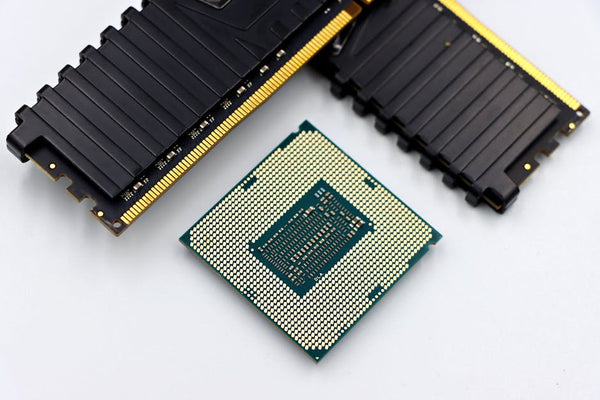
Think of a CPU wafer like a booster box. Each "pack" (die) on the outer edges used to have terrible pull rates for quality chips. Manufacturing variances meant edge dies often couldn't hit target frequencies or had stability issues. Intel basically treated wafer edges like draft chaff — useful for lower-tier products at best.
That math just changed completely.
Intel's manufacturing improvements now deliver consistent quality across entire wafers. Edge dies aren't second-class citizens anymore. They're hitting the same performance targets as center dies, which means Intel's extracting 15-20% more sellable processors per wafer according to industry analysis.
Why This Matters for Gamers Right Now
More good dies equals better availability. Better availability usually means price stability or even drops. But here's where it gets interesting — AI demand is absolutely bonkers right now, so Intel's keeping most of these gains for data center chips rather than flooding the consumer market.
Still, we're seeing real impacts. The Core i5-13600K availability issues from early 2023? Those are basically gone. Last week while configuring builds at our Orange, TX shop, I noticed Intel CPU stock levels that would've been impossible six months ago.
The TCG Parallel That Actually Makes Sense
This reminds me of when Pokemon Company improved their printing quality control around 2019. Before that, cards from sheet edges often had cut issues or color registration problems. Once they fixed edge quality, pack value became more consistent — no more getting screwed by edge-printed cards.
Intel's doing something similar but with billion-dollar fab equipment instead of printing presses. Every recovered edge die is found money, and they're finding a lot of it.
Personally, I think this trend will accelerate. Why? Because TSMC and Samsung are facing the exact same edge waste issues. Intel solving this first gives them a legitimate competitive advantage beyond just process node numbers.
What This Means for Your Build Budget
Don't expect immediate price crashes. Intel isn't stupid — they know exactly what their improved yields are worth. But you should see:
- Better availability for mid-range chips (Core i5 series especially)
- More aggressive pricing on previous-gen inventory
- Potentially shorter wait times between CPU launches and widespread availability
The real winner here isn't just Intel's bank account. It's system builders who can actually build your custom gaming PC with BitCrate configurations without playing stock market simulator with CPU availability.
The AI Wild Card Nobody's Talking About
Here's where things get spicy. Intel's reportedly allocating most of their yield improvements to Xeon and data center parts because AI companies are paying absolutely ridiculous premiums. We're talking 300-400% margins on some chips.
That's both good and bad news for gaming.
Bad: Intel has less incentive to flood consumer markets with cheap chips when enterprise customers are throwing money at them. Good: They're not desperately trying to recoup R&D costs by jacking up consumer pricing.
Hot take: This yield improvement might be the only reason we're not seeing $500+ mid-range CPUs right now.
Think about it — without these edge die recoveries, Intel would be choosing between AI money and gamer money. With improved yields, they can chase both markets simultaneously.
Performance Implications You Won't See in Benchmarks
Here's something wild that took me a while to understand. Edge dies historically had higher variance in overclocking potential. Some couldn't handle even modest overclocks, while others were secretly golden samples.
Intel's yield improvements reduce this variance significantly. Your Core i5-13600K purchased today has better odds of hitting 5.2GHz all-core than one purchased eight months ago. Not because Intel changed the design, but because they're getting more consistent silicon quality across the entire wafer.
That's like getting better average card quality from MTG packs without Wizards changing their rarity distribution. The floor rises for everyone.
Custom Gaming PC Build Strategy Going Forward
If you're planning a build, Intel's improved yields create some interesting timing considerations. Current-gen availability should remain solid through 2024, which means you don't need to jump on deals immediately or worry about CPU shortages derailing your build timeline.
But honestly? I wouldn't wait for massive price drops. Intel's got no incentive to crater their margins when AI demand is this insane. The real benefit is reliability — you can plan builds around specific Intel chips without the availability anxiety that plagued 2022-2023.
AMD's probably sweating a bit. They've been competitive partly because Intel couldn't deliver consistent volume. If Intel can suddenly flood markets with quality silicon whenever they want, Ryzen pricing might need to get more aggressive.
The Uncertainty Factor
Here's what I'm genuinely unsure about — how long does AI demand stay at these levels? If it crashes tomorrow, all these recovered edge dies suddenly flood consumer markets. We could see price competition that makes 2019 look expensive.
But if AI demand sustains for years? Intel might keep most yield improvements in data center forever. Consumer CPU pricing could stay elevated regardless of manufacturing improvements.
Nobody knows which timeline we're in yet.
Bottom Line for Builders
Intel's wafer edge recovery isn't just manufacturing efficiency porn — it's changing supply dynamics for custom gaming PC builds. Better yields mean better availability, more consistent performance, and reduced panic buying around CPU launches.
Will it revolutionize gaming PC affordability? Probably not while AI companies are writing blank checks. But it should eliminate the availability nightmares and silicon lottery extremes that made building PCs genuinely stressful over the past few years.
The silicon shortage days are ending not with a bang, but with better engineering. Sometimes the most boring solutions create the biggest impacts for actual builders.















Leave a Comment