


AMD's Ryzen 7 5800X3D 10th Anniversary Edition: Tech News That Screams "We're Out of Ideas"
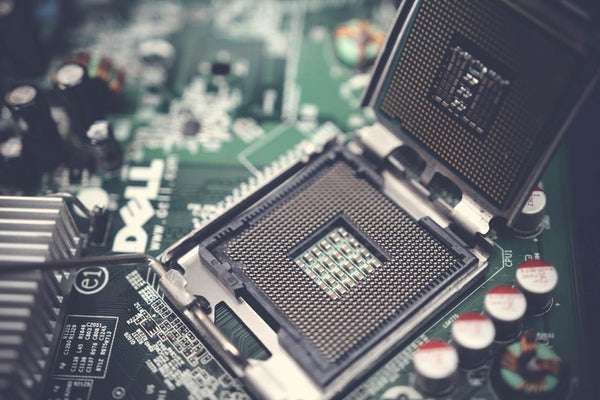
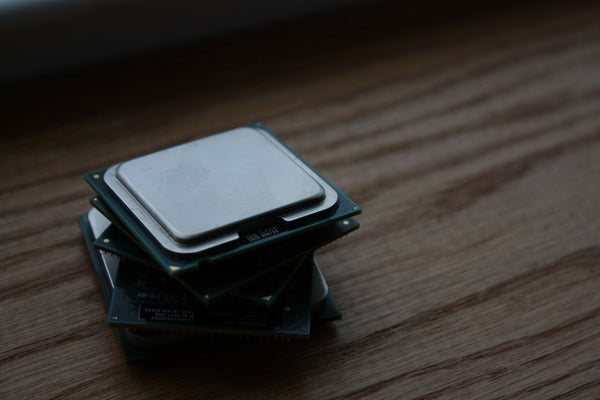
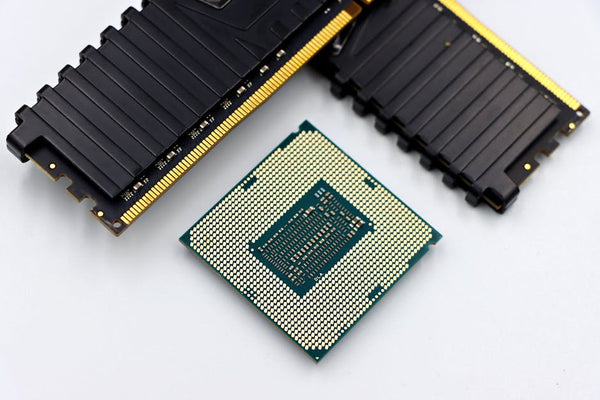
So AMD's allegedly bringing back the 5800X3D with a 10th anniversary edition. Bro, when I first heard this gaming technology rumor floating around Reddit, my immediate reaction wasn't excitement — it was concern. Don't get me wrong, the 5800X3D was genuinely a beast when it dropped, but resurrecting a CPU from 2022? That's not innovation, that's desperation.
The leaks suggest we'll see this thing in Q2 2024, and honestly, it makes me wonder what the hell AMD's thinking. Sure, AM4 still has a massive install base, but this feels like watching your favorite band reunite for a cash grab tour when their new material sucks.
Why the 5800X3D Was Actually Legendary (No Cap)
Let's pump the brakes and talk about why this chip earned its reputation. The original 5800X3D packed 96MB of 3D V-Cache onto an already solid 8-core, 16-thread design. That extra cache wasn't just marketing BS — it delivered actual frame rate improvements in games like Cyberpunk 2077, where we saw 15-20% gains over the standard 5800X.
I remember when this thing first hit the shelves. Customers at our shop here in Orange, TX were skeptical about the $449 price tag, especially since you couldn't overclock it. But once the benchmarks started rolling in? Different story entirely.
The 5800X3D could legitimately compete with Intel's 12th gen in gaming while staying on the mature AM4 platform. No DDR5 requirements. No new motherboard. Just drop it in and watch your 1% lows improve dramatically.
The 5800X3D delivered frame rates that made $600+ Intel chips look genuinely stupid in gaming workloads
AM4's Unexpected Longevity Problem
Here's where things get weird. AM4 was supposed to be dead by now. AMD promised support through 2020, then kept extending it like a subscription service you can't cancel. We're now in 2024 and they're still pushing new silicon for a platform that launched in 2016.
That's actually insane when you think about it. Intel burned through LGA 1151, 1200, and 1700 in the same timeframe. Meanwhile, AM4 keeps chugging along like that 2008 Honda Civic that refuses to die.
But here's my hot take: this longevity is starting to become a problem. By keeping AM4 alive, AMD's cannibalizing their own AM5 adoption. Why would someone buy a $200 motherboard and expensive DDR5 when they can grab a discounted B450 board and call it a day?
The DDR5 Dilemma Nobody Talks About
DDR5 prices have dropped significantly, but they're still not at DDR4 levels. A decent 32GB DDR5-5600 kit runs about $120-140, while equivalent DDR4-3200 costs maybe $80-90. For budget builders, that $50 difference matters.
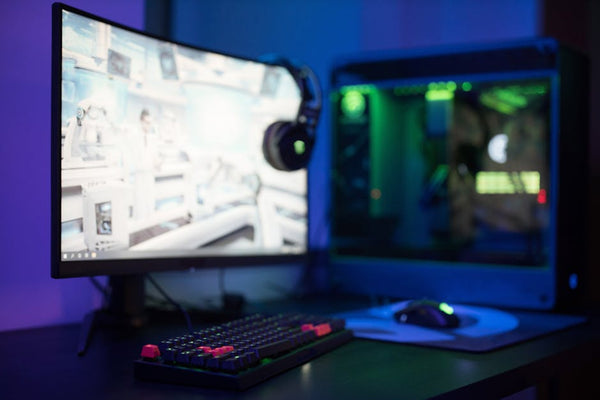
Plus, let's be real — most games don't give a damn about DDR5's extra bandwidth. I've tested this extensively on BitCrate Custom Gaming PCs, and the performance delta in actual gaming scenarios is often within margin of error.
What This Resurrection Really Means
AMD bringing back the 5800X3D feels like admitting their current lineup has gaps. The 7800X3D exists and performs better, but it requires that full platform upgrade. The 7600X is solid but lacks the extra cache magic. Where's the sweet spot for existing AM4 users?
Apparently, it's rereleasing old hardware with anniversary branding.
This isn't necessarily bad for consumers. The 5800X3D was legitimately good, and if you're running a 3600 or 2700X, it's a meaningful upgrade path. But it signals that AMD's innovation pipeline might be running dry.
Think about it — when was the last time we saw genuinely revolutionary CPU architecture? Zen 3 was great, but Zen 4 felt more iterative. Intel's been stuck in performance-per-watt hell for years. We're getting marginal improvements while pretending they're revolutionary.
The Building Landscape Gets Bleaker
This whole situation reflects broader problems in PC building right now. GPU prices are still absurd despite the crypto crash. High-end boards cost more than entire builds used to. RAM speeds hit a plateau where gaming performance stops caring.
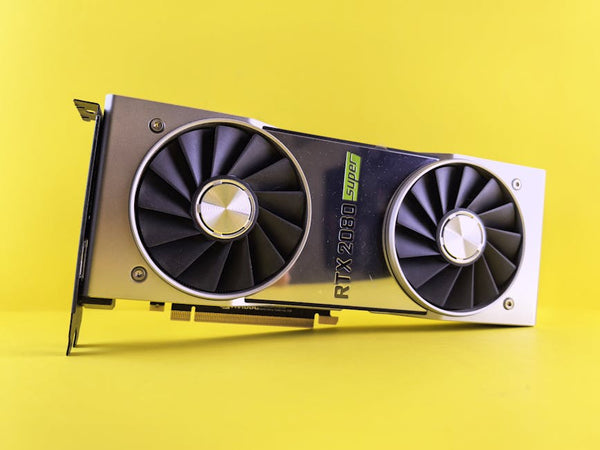
Personally, I think we're in the most stagnant period for PC hardware in a decade. Sure, Ray tracing exists, but it still murders frame rates. DLSS and FSR help, but they're band-aids on fundamental performance problems.
When AMD's big tech news involves recycling 2022 silicon, that tells you everything about where we're at. Innovation has been replaced by marketing departments trying to convince you that 3% improvements justify $200 price increases.
Should You Actually Care About This Anniversary Edition?
If you're running AM4 and haven't upgraded your CPU in 3+ years? Yeah, probably. The 5800X3D remains genuinely solid for high-refresh gaming, especially if you're running something like a RTX 4070 or RX 7700 XT.
But if you're building new, this doesn't change the calculus much. AM5 is the future, whether AMD wants to admit it or not. You'll get PCIe 5.0, DDR5 support, and an actual upgrade path beyond recycled hardware.
The real question is pricing. The original 5800X3D launched at $449, which was reasonable given its performance. If this anniversary edition costs more than $350-375, it's DOA. At that point, you're better off just eating the platform upgrade cost and going AM5.
Building Recommendations That Actually Matter
For existing AM4 users considering this upgrade: check your current CPU first. If you're running a 5600X or better, the performance gain won't justify the cost unless you're chasing high-refresh 1440p gaming specifically.
If you're on a 3600 or older, this could make sense — assuming the price is reasonable. You'll see meaningful improvements in modern games, especially CPU-intensive titles like Cities Skylines 2 or Baldur's Gate 3.
For new builders, ngl, just go AM5. The platform costs more upfront, but you're not buying into a dead end. Legendary-Tier BitCrate builds ($3k+) typically use current-gen platforms for good reason — longevity matters more than saving $100 on a motherboard.
The Bigger Picture Nobody Wants to Address
This whole situation makes me wonder if we've hit peak CPU performance for gaming. Modern games are increasingly GPU-bound, especially at 1440p and above. When a 2019 CPU can still handle 2024 games without breaking a sweat, what does that say about progress?
Maybe AMD's approach isn't wrong. Maybe keeping AM4 alive while slowly transitioning to AM5 is actually smart business. But it doesn't feel innovative — it feels like treading water while pretending to swim.
The PC building community deserves better than recycled hardware with anniversary stickers. We need actual innovation, not marketing departments trying to squeeze blood from stones. Until then, we're stuck parsing leaks about CPUs that should've stayed retired, wondering why the industry we love feels increasingly stagnant.
But hey, at least it's not another Intel 14nm refresh, right?













Leave a Comment