


DDoS Attacks in Gaming: Why Operation PowerOFF Should Matter to Every Gamer
Remember that kid who kept bragging about "taking down noobs" in your Discord server? Well, turns out some of those "noobs" might've been getting hit with actual DDoS attacks instead of just getting outplayed. Europol just launched Operation PowerOFF across 21 countries, and honestly? It's about damn time.
Look, I've been covering tech and gaming for years now, and the DDoS problem has gotten completely out of hand. These aren't just harmless pranks anymore — we're talking about actual criminal infrastructure that's ruining gaming for everyone.
What's Operation PowerOFF Actually Targeting?
This isn't your typical "cops don't understand gaming" situation. Operation PowerOFF is going after DDoS-for-hire services, also called "booter" or "stresser" services. These are literally websites where kids (and let's be real, it's mostly kids) can pay $20 to knock someone offline for hours.
Think about that for a second. Twenty bucks to ruin someone's entire gaming session.
The operation spans 21 countries, which tells you just how massive this problem has become. We're not talking about some basement-dwelling hacker anymore — this is organized crime with international reach. And the worst part? A lot of the people using these services don't even realize they're committing actual crimes.
The Gaming Connection Nobody Wants to Talk About
Here's where it gets personal for me. Last month, I was helping a customer at our shop here in Orange, TX set up their new rig, and they mentioned getting constantly disconnected from Valorant matches. Not lag spikes. Not connection drops. Full disconnects that lasted exactly 10 minutes every time.
That's not coincidence, folks.
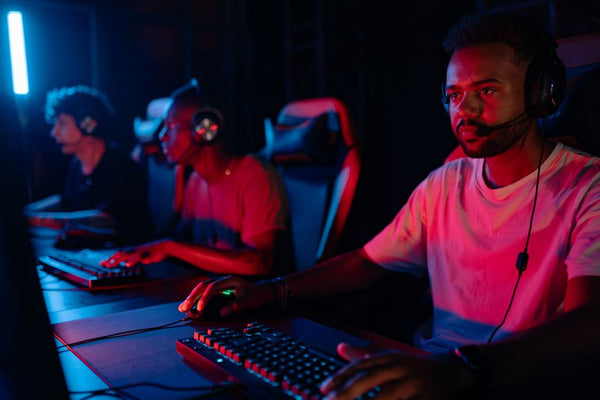
Gaming has become the primary battlefield for DDoS attacks, and it makes perfect sense when you think about it. What's the easiest way to guarantee a win in a competitive match? Make sure your opponent can't play. It's the digital equivalent of slashing someone's tires before a race.
Why Young Gamers Are Getting Targeted (And Targeting Others)
Europol's campaign specifically mentions targeting youth, and there's a good reason for that. The demographic breakdown is brutal: most people using these DDoS services are between 14 and 25 years old. These aren't hardened criminals — they're kids who got frustrated after losing a match and decided to "get even."
But here's the thing that really gets me — these same kids wouldn't dream of vandalizing someone's car or breaking into their house, but somehow taking down their internet connection feels "different" to them. It doesn't feel real because it's digital.
Spoiler alert: it's very real, and very illegal.
The Slippery Slope Nobody Sees Coming
I've seen this progression too many times. Kid gets wrecked in Fortnite. Kid googles "how to lag out other players." Kid finds a booter service. Kid pays $15 to "test" it on someone who beat them. Kid realizes it works.
What happens next? They start using it more. Maybe they sell "services" to their friends. Maybe they escalate to targeting streamers or content creators for attention. Before you know it, that kid who just wanted to win some matches is now part of an actual criminal network.
Hot take: the gaming community needs to take some responsibility here too. How many times have you heard someone joke about "DDoSing the scrubs"? How often do we treat network attacks like they're just another gaming strategy instead of what they actually are — crimes with real victims?
Real Gaming Performance vs. Artificial Advantages
This whole situation really highlights something I've been thinking about a lot lately. There's a massive difference between legitimate gaming performance optimization and what amounts to cheating through crime.
Want better gaming performance? Build your custom gaming PC with BitCrate and actually improve your hardware. Optimize your network settings. Practice your aim. Learn the maps better.
Don't pay some criminal organization to attack other players' internet connections.
PC Optimization That Actually Matters
Since we're talking about gaming performance, let me drop some actual gaming tips that won't land you in legal trouble:
- Close unnecessary background apps before gaming (Discord and Spotify are fine, but that crypto miner you forgot about isn't)
- Use a wired connection whenever possible — yeah, Wi-Fi 6 is fast, but ethernet is faster and more stable
- Keep your GPU drivers updated, seriously
- Monitor your temperatures; thermal throttling kills performance way more than most people realize
These might not give you the instant gratification that knocking someone offline provides, but they'll make you a better player in the long run. And more importantly, they won't get you arrested.
The Real Cost of DDoS Culture in Gaming
Here's what really bothers me about this whole situation: it's not just about individual matches anymore. The normalization of DDoS attacks is actively making gaming worse for everyone.
Servers have to spend more money on DDoS protection. That cost gets passed on to players through higher subscription fees or microtransactions. Legitimate players get caught in automated anti-DDoS systems. Competitive integrity goes out the window when anyone can just attack their opponents offline.
And don't even get me started on what this does to smaller streamers and content creators. I know creators who've had to stop streaming certain games because they kept getting targeted by viewers who didn't like their content.
When "It's Just a Prank" Becomes Federal Crime
Personally, I think the biggest problem is that most people using these services genuinely don't understand the legal consequences. They see "stresser" services advertised as "network testing tools" and think it's some gray area.
It's not.
Under the Computer Fraud and Abuse Act, even accessing a DDoS-for-hire service can get you slapped with federal charges. We're talking potential prison time, not just a slap on the wrist. And with Operation PowerOFF showing international cooperation on this issue, you can't just hide behind jurisdictional confusion anymore.
The message is clear: this stuff has real consequences, and law enforcement is finally taking it seriously.
What This Means for the Gaming Community
So where does this leave us? Well, hopefully with fewer people getting randomly disconnected from matches, for starters. But I think Operation PowerOFF represents something bigger than just law enforcement cracking down on script kiddies.
It's a recognition that what happens in digital spaces matters just as much as what happens in physical ones. Your gaming session isn't less important because it's "just a game." Your internet connection isn't fair game for attack because it's "just data."
The question is: will the gaming community step up and help make this cultural shift happen? Because honestly, law enforcement can only do so much. They can take down the infrastructure and arrest the worst offenders, but they can't change the attitudes that make these attacks seem acceptable in the first place.
Moving Forward Without the Toxic Shortcuts
Look, I get it. Losing sucks. Getting completely destroyed by someone who's clearly way better than you is frustrating. We've all been there, whether it's getting headshot across the map in CS2 or getting comboed to death in a fighting game.
But that's what makes gaming great, isn't it? The challenge. The improvement. The satisfaction when you finally beat that player who used to wreck you every single time.
DDoS attacks rob everyone of that experience. They turn competitive gaming into whoever has the best criminal connections instead of whoever has the best skills.
Operation PowerOFF might not solve the DDoS problem overnight, but it's sending the right message: this behavior won't be tolerated anymore. The question now is whether the gaming community will get that message too, or if we'll need even more international law enforcement operations to drive the point home.
Either way, maybe we can finally get back to settling our gaming disputes the old-fashioned way — by actually playing the damn games.













Leave a Comment