


The Baldur's Gate Remakes Should Ditch Real-Time Combat for Superior Turn-Based Fights
Hot take: if Larian Studios remakes the original Baldur's Gate games, they need to completely scrap that clunky real-time with pause system and give us proper turn-based combat instead. I've picked my hill to die on here, and I'm not backing down.
Look, I get it. The original Baldur's Gate combat has this nostalgic charm that RPG purists defend with their lives. But let's be real – that system was always a compromise solution that worked okay for 1998 but feels absolutely dated now. After experiencing the tactical perfection of Baldur's Gate 3, going back to frantically pausing every two seconds feels like trying to play CS2 with a controller. Technically possible? Sure. Optimal? Not even close.
Why Real-Time With Pause Gaming Performance Suffers
The fundamental problem isn't nostalgia or preference. It's performance clarity. Real-time with pause creates this weird cognitive load where you're constantly managing two different speeds of decision-making. Your brain has to switch between "react now" mode and "plan strategically" mode every few seconds.
I was helping a customer at our shop here in Orange, TX last week who'd just finished Divinity: Original Sin 2 and wanted to try the Enhanced Editions. Thirty minutes into Baldur's Gate, he comes back asking if something was broken with the combat. Nothing was broken – the system just creates this constant mental friction that modern turn-based design has solved.
Think about it this way: when you're clutching a 1v3 in Valorant, you aren't stopping time to think through your crosshair placement. But when you're planning a complex spell combo in an RPG? That strategic thinking deserves dedicated space, not rushed decisions between pause breaks.
The Micro-Management Problem
Real-time with pause forces you to babysit every character constantly. Your wizard starts auto-attacking with a dagger because you forgot to queue another spell. Your rogue stands there eating sword hits because the AI pathing couldn't figure out basic positioning. Meanwhile, your fighter is spinning in circles because targeting priority got confused during that last pause.
Honestly, it's exhausting. Good gaming tips shouldn't require managing six different action queues while the game clock runs in the background. That's not tactical complexity – that's just busywork disguised as strategy.
Turn-Based Combat Creates Better Gaming Performance Optimization
Baldur's Gate 3 proved something crucial: turn-based combat doesn't slow down the action. It intensifies it. When every decision matters and you have time to consider positioning, spell interactions, and environmental factors, each turn becomes this high-stakes puzzle.
The difference is night and day. Instead of frantically pausing to prevent your party from doing something stupid, you get deliberate tactical moments. Should Shadowheart use her last third-level spell slot now, or save it for the next encounter? Can Gale position himself for that perfect Fireball without friendly fire? These decisions feel weighty when you're not managing them under artificial time pressure.
Turn-based systems let you appreciate the actual complexity of D&D combat mechanics without fighting the interface.
Plus, let's talk about accessibility. Real-time with pause creates barriers for players with different reaction speeds or cognitive processing styles. Turn-based design? Everyone gets the same opportunity to think through their moves. That's not dumbing down – that's smart design.
The Streaming and Content Factor
Here's something nobody talks about: real-time with pause is absolutely terrible for content creation. Watch any streamer play the original games and count how many times they say "hold on, let me pause and figure this out" followed by dead air while they queue actions.
Turn-based combat creates natural moments for audience interaction and explanation. It's built for the modern gaming landscape where people want to understand what's happening, not just watch chaos unfold at variable speeds.
But What About Combat Pacing Concerns?
Okay, I hear the counterargument. "Jordan, turn-based combat takes forever!" And yeah, poorly implemented turn-based systems can drag. Nobody wants to spend fifteen minutes on a single trash mob encounter.
But that's a design problem, not a systemic one. Baldur's Gate 3 handles this beautifully with encounter scaling and smart enemy grouping. Most fights wrap up in 3-5 rounds unless you're dealing with major story beats or boss encounters. Compare that to the original games where you might spend similar real-time dealing with pause management and AI cleanup.
Personally, I think faster, more decisive combat beats slower, more frustrating combat every single time. Give me five intense turns over ten minutes of pause-and-pray.
The Tactical Depth Argument
Some players argue that real-time systems offer more tactical depth because you're managing multiple variables simultaneously. This is... questionable at best. True tactical depth comes from meaningful choices, not from juggling interface complexity.
When I'm theory-crafting builds or planning strategies, I want to focus on spell synergies, positioning advantages, and resource management. I don't want to spend mental energy on "did I remember to unpause after setting up this combo?"
Modern PC Gaming Hardware Supports Complex Turn-Based Systems
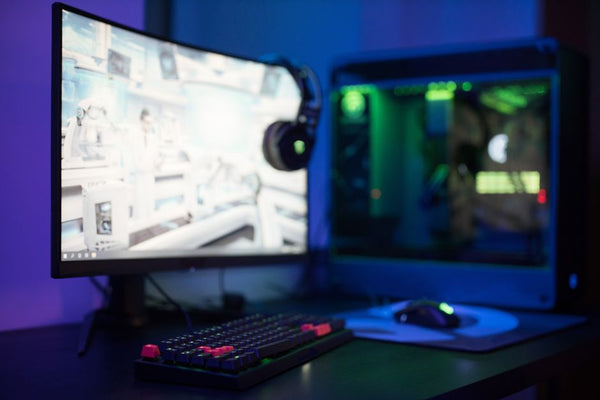
From a technical perspective, we're way past the hardware limitations that originally justified real-time with pause systems. Modern systems can handle incredibly complex turn-based calculations without performance hits. When customers ask about building custom gaming rigs for RPGs, processing power for combat calculations isn't even a consideration anymore.
The bottleneck was never your CPU or RAM. It was always the interface design and player cognitive load. We've solved the technical problems – now we need to fix the design legacy issues.
What happens when Larian inevitably gets the rights to remake the originals? They could update graphics, improve voice acting, and modernize inventory systems. But if they keep that dated combat system, they're essentially building a beautiful sports car with horse-and-buggy steering.
The modding community will probably create turn-based conversion mods within months of any remake release anyway. Why not just give players the superior experience from day one? The core stories and characters that made Baldur's Gate legendary don't need outdated combat mechanics to preserve their magic.
Turn-based combat isn't the future of RPGs – it's the present. Time to catch up.

Leave a Comment