


1000+ Hours in Overwatch and I Still Don't Know What I'm Doing: Anniversary Mode Humbled Me Hard
Picture this: you've got a Black Lotus in your Magic collection, but you've been using it as a coaster for three years. That's basically me with Overwatch right now. After logging what Steam Deck would probably calculate as embarrassingly close to 2,000 hours across multiple platforms, Blizzard's new Anniversary game mode just completely exposed me as the fraud I apparently am.
Look, I thought I understood this game. I've climbed to Diamond multiple times, I can land sleep darts on flanking Tracers, and I know enough about positioning to flame my teammates when they inevitably feed. But Anniversary mode? This thing made me feel like I'd been playing with a monitor that was somehow upside down this entire time.
The Anniversary Reality Check That Broke My Esports Dreams
Anniversary mode isn't your typical Overwatch experience. Think of it like pulling a foil mythic rare from a pack you bought casually, then realizing you have absolutely no idea how to build a deck around it. The mode throws you into these snapshot moments from Overwatch's history — different metas, different hero balances, different everything.
First match drops me into 2018 Overwatch. Brigitte is still absolutely busted. Mercy has mass resurrection. My muscle memory is screaming one thing while the game demands something completely different. It's like trying to run Cyberpunk 2077 on integrated graphics — technically possible, but you're gonna have a bad time.
I picked Genji because, honestly, how hard could it be? I've got decent blade timing, I know the animation cancels, I can dash-melee-dash with the best of them. Except 2018 Genji plays completely different from current Genji. The blade duration, the damage numbers, even the way his shurikens feel — everything's shifted just enough to make me whiff every single engagement.
That Dragonblade is tricky, indeed.
When Your Game Sense Becomes Game Nonsense
Here's where it gets embarrassing. I'm playing what I thought was textbook Overwatch, but I'm getting absolutely diff'd by players who clearly understood something I didn't. They weren't just playing the heroes differently — they were playing the entire game differently.
Take positioning. In current Overwatch, I know exactly where to stand as Ana to get maximum value while staying relatively safe. But in these historical snapshots? My positioning was getting me picked off constantly. The sight lines that work in 2024 were death traps in 2019. The flanking routes that are standard now were either nonexistent or suicide missions back then.
Personally, I think this is the most humbling experience competitive gaming can offer you. It's like discovering your expensive RTX 4090 has been running in power-saving mode for six months. All that performance was there, but you weren't accessing it properly.
The Meta Time Machine That Exposed My Ignorance
Anniversary mode doesn't just change hero balance — it completely rewrites the fundamental rules of engagement. Remember GOATS? That triple-tank, triple-support composition that dominated pro gaming for an entire season? I lived through that meta, complained about it constantly, but apparently never actually learned how to play it.
When Anniversary dropped me into a GOATS-era match, I defaulted to my current game sense. Spread out, find off-angles, play for picks. Wrong answer. GOATS is about brawling as a death ball, and I was out there trying to play like it's current dive meta. My team was initiating fights, and I was still looking for flanks that would've worked in 2024 but were completely useless in 2019.
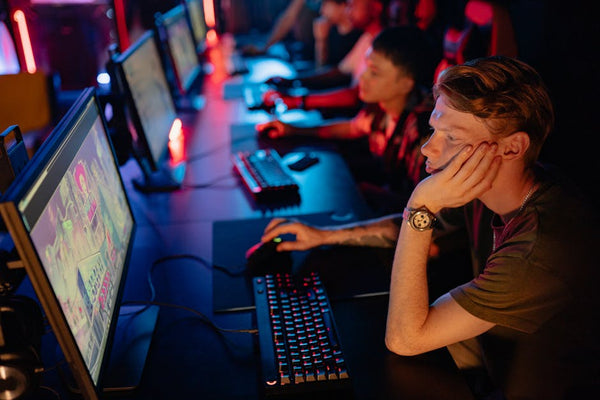
The worst part? I could see other players adapting in real-time. They'd switch not just heroes, but entire playstyles based on which era the mode selected. Meanwhile, I'm hardstuck in my current muscle memory, playing like that one person who still runs a GTX 1060 and insists it's fine for modern gaming.
Hardware Parallels Hit Different
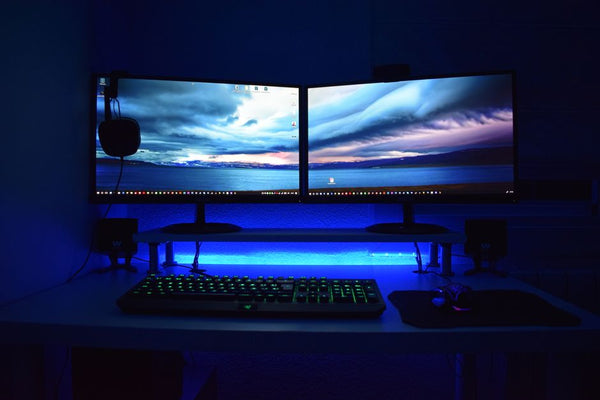
Working at TieredUp Tech here in Orange, TX, I see this exact phenomenon with PC builds all the time. Customers come in with setups that were absolutely meta five years ago, and they can't understand why their performance feels off in current games. Same hardware, same settings, but the entire landscape has shifted around them.
That's exactly what Anniversary mode did to my Overwatch skills. I had all the right mechanical inputs stored in muscle memory, but the context had completely changed. It's like trying to overclock a Ryzen 7000 series with settings that worked perfectly for a Ryzen 2000 series — the principles seem similar, but you're gonna crash the system.
The Dragonblade That Taught Me Everything
Hot take: that one line from the context — "That there Dragonblade is tricky" — perfectly captures the entire Anniversary experience. Not just because Genji's blade has been tweaked literally dozens of times across Overwatch's lifespan, but because it represents how much depth this game has that I'd been completely ignoring.
I thought I understood Dragonblade. Pop it, dash to target, slice, dash to next target, repeat until team fight won. Simple mechanical execution. But Anniversary showed me different eras where the optimal blade usage was completely different. Sometimes you blade for zoning instead of kills. Sometimes you hold it for defensive use. Sometimes the timing windows are so different that my "perfect" blade usage was actually griefing my team.
Each historical snapshot required not just different mechanical execution, but fundamentally different strategic thinking. The same way a Magic deck that dominates in Standard might be completely unplayable in Modern — same cards, different ruleset, totally different optimal strategies.
Learning Curves Are Steeper Than You Think
What really gets me is how confident I was before this reality check. I'd been giving advice to newer players, analyzing pro gaming matches, acting like I had some deep understanding of Overwatch's strategic depth. Turns out I'd just memorized one very specific version of the game and assumed that knowledge was universal.
Anniversary mode is like getting forced to play every major patch of Overwatch simultaneously. Your game sense has to be modular, adaptable. You can't just rely on current optimal strategies because the game might literally transport you to a completely different meta mid-match.
The skill gap isn't just mechanical anymore — it's historical. Players who lived through and adapted to every major meta change have this incredible advantage. They've got multiple strategic frameworks stored up, ready to deploy based on which era they're playing in.
Why This Matters for Competitive Gaming
This experience made me realize something important about esports skill development. We often focus on grinding current meta, perfecting current strategies, optimizing current builds. But true mastery might require understanding the entire evolution of your chosen game.
Think about it — would you rather have a teammate who's spent 1000 hours in current Overwatch, or someone who's spent 200 hours in each major era? I used to think the answer was obvious, but Anniversary mode has me questioning everything.
The players absolutely dominating in Anniversary aren't necessarily the ones with the highest current-patch ranking. They're the ones who remember how to play double barrier, who understand why certain rotations worked in dive meta but fail in current brawl compositions, who can switch their entire strategic framework based on which balance patch they're experiencing.
Custom Gaming Rigs Can't Fix Game Sense
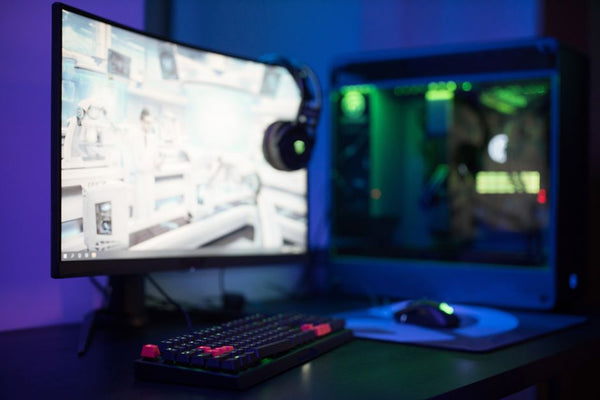
Here's the thing that really stings — no amount of hardware can solve this problem. I could build my custom gaming PC with BitCrate to get 360fps at 1440p, but if my game sense is stuck in one particular meta, I'm still gonna get outplayed by someone running the game at 144fps who actually understands the strategic depth.
It's humbling in the same way that realizing your expensive mechanical keyboard doesn't make you type faster, or your $200 gaming headset doesn't automatically improve your audio positioning. The hardware creates the potential, but the software — your brain — has to do the actual work.
The Meta Evolution Never Stops
Anniversary mode isn't just a fun nostalgia trip. It's accidentally become the most educational game mode Blizzard has ever created. Every match is a masterclass in adaptation, strategic flexibility, and the importance of understanding your game's history.
Will I keep playing it? Absolutely. Will I probably continue getting humbled by players who clearly understand aspects of Overwatch that I've been ignoring for years? Also absolutely. But that's exactly why it's valuable.
The next time someone asks me about climbing ranks in competitive gaming, I'm gonna tell them to play Anniversary mode first. Learn the game's history. Understand how metas evolve and why changes happen. Build multiple strategic frameworks instead of just grinding one.
Because apparently, 1000+ hours of experience means nothing if you've been experiencing the wrong thing the entire time. My Dragonblade skills are about to get a complete overhaul, and honestly? It's about time.

Leave a Comment