


PC Component Shortages Strike Again: Why Multilayer Ceramic Capacitors Are the New GPU Nightmare
Remember when you couldn't find a decent GPU for under $800? When RTX 3080s were selling for the price of a decent used car? Well, buckle up, because the PC industry just found another way to mess with our wallets. This time it's multilayer ceramic capacitors – those tiny components you've probably never heard of but absolutely can't build a PC without.
Yeah, you read that right. MLCCs.
It's like trying to build the perfect Magic deck but discovering all the basic lands are sold out. Sure, you've got your bombs and your synergy pieces, but without the foundation? You're stuck with an unplayable pile of expensive cardboard.
What the Hell Are Multilayer Ceramic Capacitors Anyway?
These little guys are basically the unsung heroes of every electronic device you own. Think of them as the mana base of your motherboard – without proper power filtering and voltage regulation, your expensive CPU and GPU turn into very expensive paperweights. MLCCs store and release electrical energy super quickly, smoothing out power delivery so your components don't get fried by voltage spikes.
Here's the wild part: a single modern motherboard can use anywhere from 500 to 2,000 of these things. Your phone? Probably packing around 1,000. That flagship graphics card you've been eyeing? It's loaded with them too.
The supply chain for these components was already tighter than a speedrunner's frame-perfect inputs, and then everything went sideways. Electric vehicles need massive quantities. 5G infrastructure is gobbling them up. And don't even get me started on how many smartphones Samsung and Apple are cranking out.
The Ripple Effect Nobody Saw Coming
When MLCC shortages hit, it's not just one component going out of stock. It's the entire food chain getting disrupted. Motherboard manufacturers can't complete their designs. GPU makers are sitting on partially finished cards. Even PSU companies are feeling the squeeze because modern power supplies rely heavily on advanced capacitor arrays.
Personally, I think this shortage is going to be worse than the semiconductor crisis we just crawled out of. At least with chips, you knew what was missing. With capacitors? Most people don't even realize they exist until production lines start shutting down.
How This Affects Your Next Gaming PC Build
Right now, you're probably wondering how this impacts your plans to finally upgrade from that aging i5-8400 setup. The short answer? It's complicated, and it's probably going to cost you more than you planned.
First, motherboard prices are already creeping upward. I noticed this trend a few months ago when working with customers here in Orange, TX – boards that should retail for $150 are suddenly $180, and premium X670E motherboards are pushing into territory that used to be reserved for workstation gear.
But price increases aren't even the worst part. It's the availability windows that'll drive you crazy. You might find the perfect RTX 4080 in stock, but the motherboard you need to run it properly? Backordered for six weeks. It's like having all the pieces for a competitive esports setup except for the one crucial component that ties everything together.
Pro Gaming Setups Taking the Biggest Hit
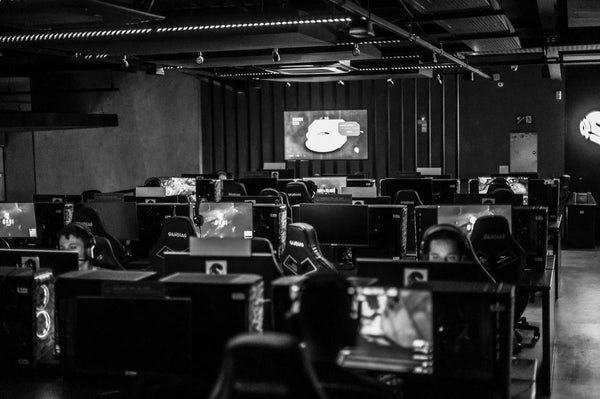
If you're serious about competitive gaming – and I mean tournament-level serious – this shortage is particularly brutal. Pro gaming rigs need rock-solid power delivery for consistent performance. Frame drops during clutch moments aren't just annoying; they're career-ending.
Teams are starting to stockpile motherboards and high-end components because they can't risk their star players dealing with hardware instability during major tournaments. When you're competing for prize pools that hit seven figures, spending an extra grand on backup hardware isn't even a question.
The esports industry learned this lesson the hard way during the GPU shortage. Remember when some teams were literally sharing graphics cards between players? Yeah, that's not happening again.
What You Can Actually Do About It
Alright, enough doom and gloom. Let's talk strategy. How do you navigate this mess without getting completely hosed on pricing or availability?
Hot take: this is actually a perfect time to build your custom gaming PC with BitCrate if you're smart about component timing. Instead of waiting for that perfect Black Friday deal that might not exist, you need to think like a card trader. Buy when good deals appear, not when you need them.
The key is flexibility. That specific Z790 board you want might be out of stock, but there are probably three other options that'll work just as well for your build. Don't get married to exact SKUs – get married to performance targets.
The Stockpiling Strategy
This feels weird to say, but if you're planning a high-end build sometime in the next year, consider buying your motherboard now. Not next month, not when your current system finally dies. Now.
I've been telling customers this for weeks: treat premium motherboards like limited edition MTG cards. When you see one at MSRP, you grab it, because tomorrow it might be $100 more or simply unavailable.
Is this approach slightly insane? Absolutely. But so was paying $1,200 for an RTX 3070, and plenty of people did that rather than wait two years for prices to normalize.
"The best time to buy PC components is when they're available at reasonable prices, not when you need them." - Every system builder who survived the last three years of chaos
Reading the Tea Leaves: What Comes Next
Honestly? I'm not super optimistic about this resolving quickly. MLCC manufacturing isn't something you can just scale up overnight like RAM production. These facilities take years to build and qualify, and demand keeps growing faster than supply.
The automotive industry alone is projected to need 40% more capacitors by 2025. Add in the AI boom, continued smartphone growth, and everyone upgrading their home networks for remote work, and you've got a recipe for extended shortages.
But here's where it gets interesting: this shortage might actually push innovation in ways the GPU crisis never could. Motherboard designers are already exploring alternative capacitor technologies and more efficient power delivery systems. It's like how the Reserved List in Magic forced the design team to get creative with new mechanics instead of just reprinting Moxes.
The Silver Lining Nobody Wants to Admit
There's actually a weird upside to all this chaos. Component manufacturers are finally being forced to build more resilient supply chains. The just-in-time manufacturing model that worked great for twenty years? It's basically dead now, and that's probably a good thing for long-term stability.
Plus, this shortage is happening at a time when PC performance gains are plateauing anyway. Your RTX 3070 isn't suddenly obsolete because you can't find the perfect motherboard. That 5600X isn't struggling to run modern games because capacitor prices went up.
Sometimes the best move is just waiting for the meta to settle. But if you absolutely need to build now? Don't let perfect be the enemy of good enough. The difference between a $200 motherboard and a $300 one matters way less than having a functional system you can actually use.
The MLCC shortage is real, it's going to stick around, and it's definitely going to mess with your build timeline. But the PC enthusiast community has survived worse. We'll adapt, we'll find workarounds, and we'll probably come out stronger on the other side. After all, we're the same people who figured out how to get 60fps on hardware that had no business running modern games. A few missing capacitors aren't going to stop us now.





































Leave a Comment