


Barely Breathing: The Most Fun I've Had as a Parkouring Fish in Esports Since Goat Simulator
Swimming through concrete wasn't on my 2024 gaming bingo card, but here we are. Barely Breathing just dropped and it's absolutely unhinged in the best possible way. Picture this: you're a fish. Out of water. Doing parkour through urban environments while slowly suffocating. Sounds terrible, right? Wrong. This is peak indie gaming chaos.
I've been grinding this game for three days straight, and honestly? It's the most creative movement system I've touched since Titanfall 2's wallrunning. The twist isn't just that you're a fish flopping around—it's that you're literally dying the entire time, and that timer creates this perfect storm of panic and precision that competitive gaming desperately needed.
Movement Mechanics That Actually Matter in Competitive Gaming
Most parkour games feel floaty. Disconnected. Not this one. Every flop has weight. Every jump costs precious oxygen. The physics engine here makes Mirror's Edge look like amateur hour, and I'm not saying that lightly—Faith's momentum system was revolutionary for its time.
The genius lies in the contradiction. Fish can't parkour. Fish definitely can't survive on concrete. But the devs leaned into that absurdity and created something that feels more grounded than half the "realistic" movement shooters flooding esports right now.
When you nail a perfect sequence—wall bounce into pipe slide into that frame-perfect gap jump—the dopamine hit rivals clutching a 1v4 in Valorant. No cap. The movement combos have this rhythm that reminds me of speedrunning classics like Super Meat Boy, except you're constantly fighting against time itself.
Why the Oxygen Timer Changes Everything
Here's where Barely Breathing separates itself from every other movement game. You're not just optimizing routes for speed—you're optimizing for survival. Miss that wall jump? You're not just losing time, you're losing life. Literally.
This creates decision trees that don't exist in traditional parkour games. Do you take the risky shortcut that might save 3 seconds but could cost you a restart? Or play it safe and hope your oxygen holds out? These micro-decisions happen dozens of times per level, and they're what separate good players from great ones.
Personally, I think this breathing mechanic is what every competitive game needs more of—stakes that matter. CS2's economy system creates similar pressure, but this feels more immediate. More visceral.
Esports Potential That Nobody's Talking About
Let's be real about esports viability. Most indie games launch with "competitive potential" and die within six months. Barely Breathing feels different. The skill ceiling is absolutely massive, but the floor is accessible enough that my 8-year-old nephew can enjoy flopping around the tutorial.
The leaderboards are already getting spicy. Top players are finding movement tech that the devs probably never intended. Wall-hugging to conserve momentum. Frame-perfect inputs that extend your oxygen by microseconds. The speedrunning community is going to devour this game, and where speedrunners go, competitive scenes follow.
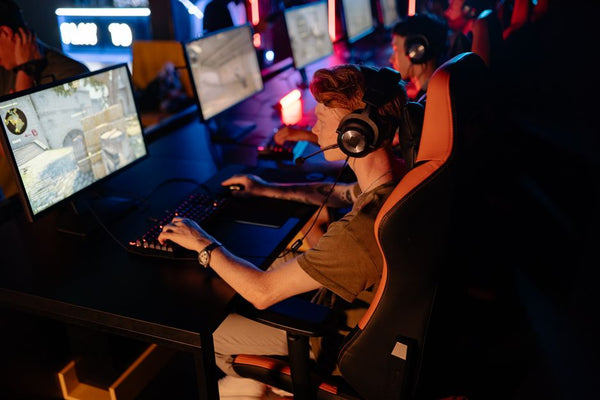
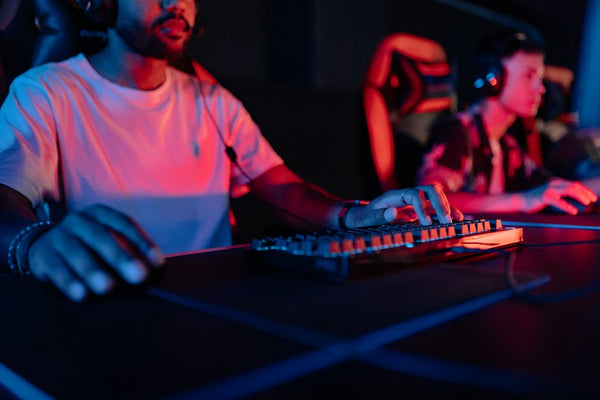
What makes it tournament-ready? Short rounds. Clear win conditions. Visual spectacle that translates well to streaming. When I was helping a customer at our shop in Orange, TX configure their streaming setup last week, they mentioned wanting something that would look good on Twitch. Barely Breathing is exactly that kind of content—easy to understand, impossible to master.
Hardware Requirements That Won't Break Your Setup
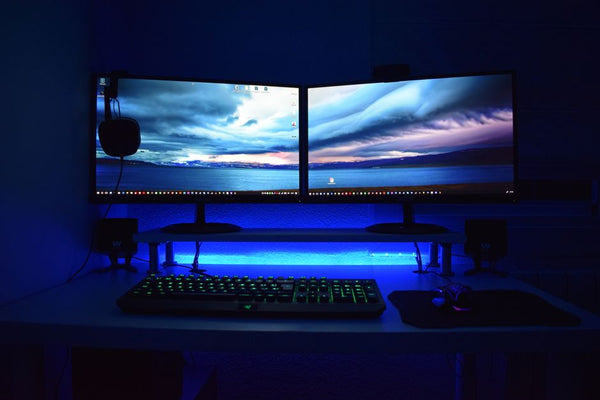
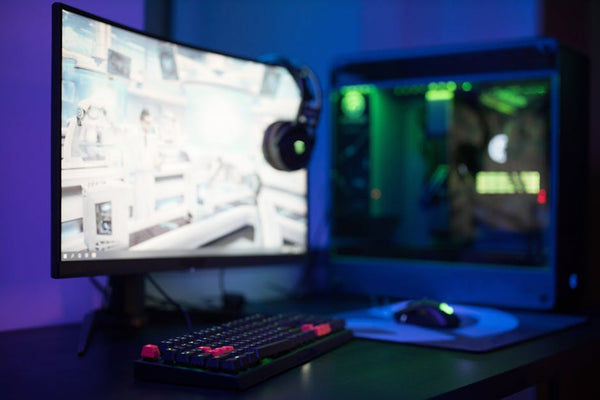
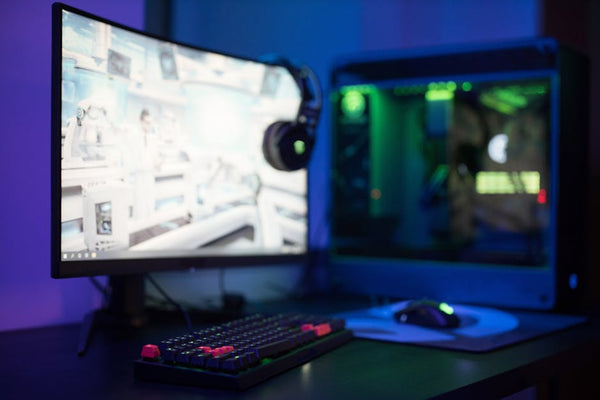
Running at 240fps on my RTX 4080 with zero drops. The optimization is clean, and the art style scales beautifully from budget builds to high-end rigs. You don't need beast-mode hardware to compete, which is crucial for any game with esports ambitions.
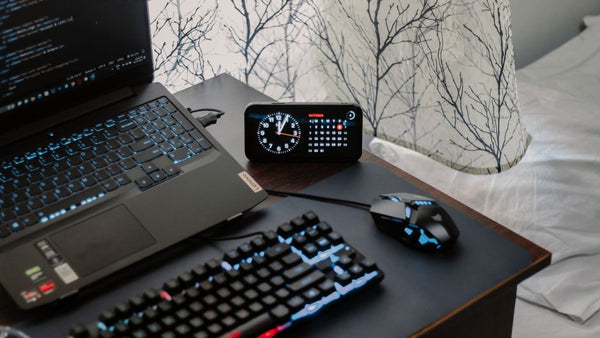
Input lag feels non-existent with proper peripherals. I'm testing on a Razer Viper V3 Pro with my usual 1ms monitor setup, and the response time is exactly what you'd want for frame-perfect movement inputs. The devs clearly understood that competitive players would push this game's mechanics to the limit.
The Comparison Nobody Asked For But Everyone Needs
How does this stack against the movement game GOATS? Against Titanfall 2's campaign? Different beasts entirely. Titanfall gives you godlike powers and asks you to feel superhuman. Barely Breathing gives you fish powers and asks you to survive. Both work, but for totally different reasons.
Mirror's Edge comparison? Closer, but Faith was human. She could breathe. She could think. This fish is operating on pure instinct and desperation, which creates this frantic energy that Faith's calculated parkour couldn't match.
Hot take: this is more replayable than both. The oxygen timer means you can't autopilot routes like you eventually do in other movement games. Every run demands full attention, full commitment.
Where It Stumbles (Because Nothing's Perfect)
The camera occasionally fights you during vertical sequences. Not game-breaking, but noticeable when you're grinding for personal bests. Some collision detection feels inconsistent on specific wall types—probably will get patched, but worth mentioning.
The difficulty spike around level 12 is brutal. Like, "throw your controller" brutal. Maybe that's intentional. Maybe it's poor balancing. I'm honestly not sure yet, but it's definitely going to filter out casual players who might otherwise stick around.
Why This Matters for Pro Gaming Right Now
The esports scene is stagnating. Same games, same strategies, same predictable meta shifts. Valorant and CS2 dominate tactical shooters. Rocket League owns vehicle sports. MOBAs belong to League and Dota. Where's the innovation?
Barely Breathing isn't trying to compete directly with established genres. It's creating its own lane entirely. Movement-based competition with survival elements and accessibility that scales from bedroom streams to potential arena events. That's the kind of fresh thinking pro gaming needs.
Will it replace Fortnite tournaments? Obviously not. But could it carve out a dedicated competitive community similar to what Rocket League built from nothing? Absolutely. The foundation is solid, the skill expression is legitimate, and the entertainment value translates perfectly to spectator sports.
If you're serious about competitive gaming in 2024, you need to at least understand what movement mechanics can offer beyond traditional aim-and-shoot formats. Build your custom gaming PC with BitCrate to experience games like this at their technical peak—because trust me, you'll want every frame when you're gasping for digital air while attempting the perfect wall run sequence.
The fish revolution starts now. Don't sleep on this one just because it sounds ridiculous. Sometimes the most absurd concepts create the most compelling gameplay. Sometimes drowning slowly while doing sick parkour tricks is exactly what competitive gaming was missing.












Leave a Comment