


Game Development Funding: The Brutal Reality Behind AI-Generated Pitches and Prototype Hell
Publishers absolutely hate AI-generated pitches. That's not speculation – that's straight from the mouths of major studios like Bloober Team, Jagex, and 11 bit Studios. The funding landscape for game development has become a nightmare, and it's hitting everyone from AAA studios to bedroom coders trying to get their passion projects off the ground.
Here's the deal. You can't just throw some concept art and a fancy trailer together anymore. Publishers want prototypes. Real, playable builds that prove your game isn't just pretty screenshots.
Why Prototypes Make or Break Your Gaming Dreams
Tom Francis from Suspicious Developments nailed it when he described a prototype as "a playable build that meaningfully shows what's good about your game – a proof of concept." Sounds simple? It's not.
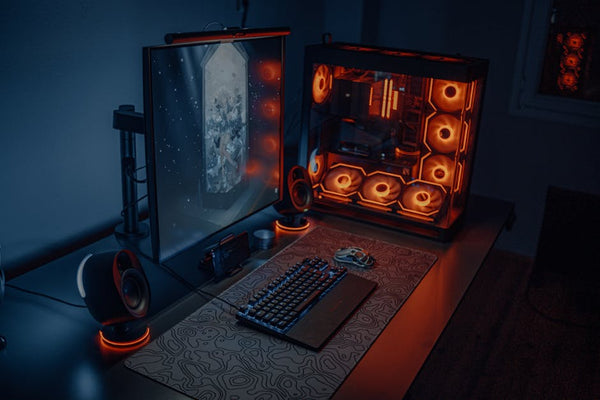
Building a prototype costs serious money. We're talking months of development work before you even know if someone will fund your full game. That's salaries, tools, hardware – all upfront costs with zero guarantee of return. Honestly, it's like buying a high-end gaming rig without knowing if it'll run the games you want to play.
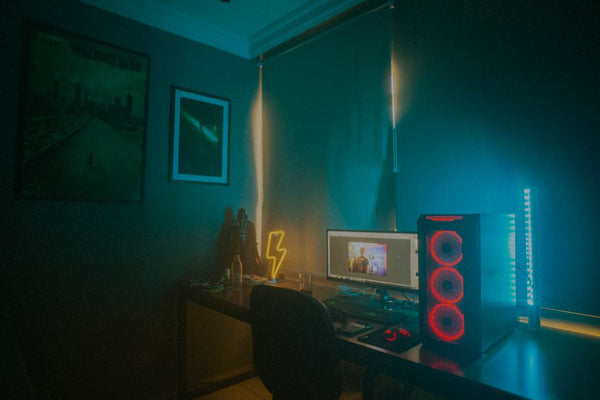
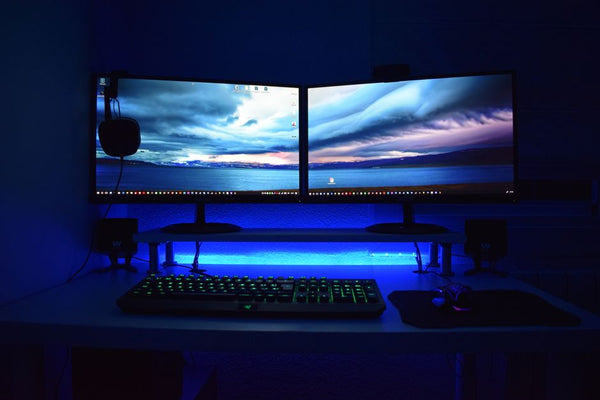
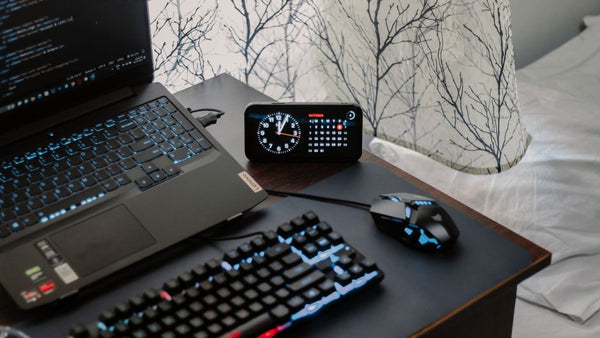
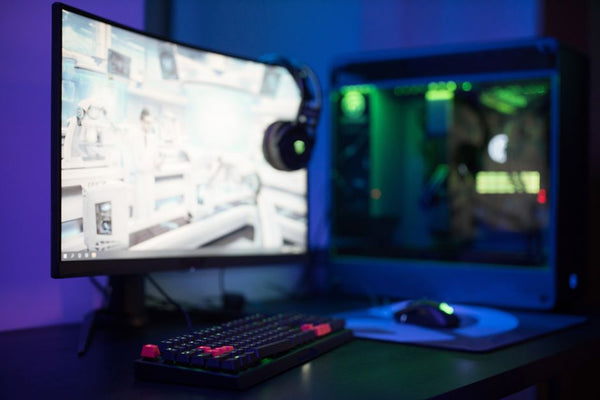
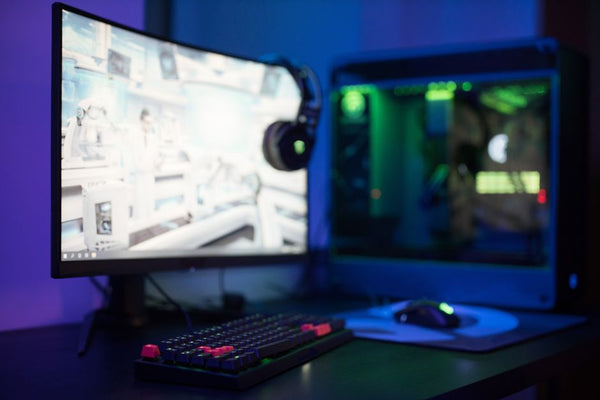
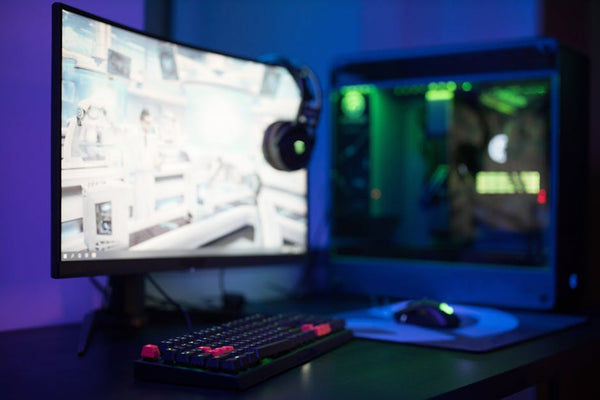
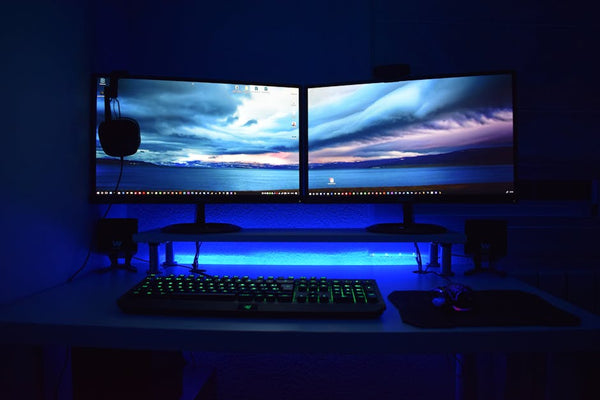
Speaking of rigs, I was helping a customer at TieredUp Tech here in Orange, TX last week who wanted to build a development machine. Dude needed something powerful enough for Unreal Engine 5 but couldn't drop $4000 on a workstation. That's the reality indie devs face – needing professional tools on shoestring budgets.
The AI Pitch Problem That's Killing Studios
Publishers are drowning in AI-generated garbage. Lazy pitches with ChatGPT-written game design documents and concept art that looks like it came from Midjourney's fever dreams. The result? Real developers with genuine ideas get lost in the noise.
"There's nothing worse than an AI-generated pitch," one publisher told me. Can you blame them? When you're sorting through hundreds of submissions monthly, those cookie-cutter AI pitches become instantly recognizable. And instantly deleted.
This creates a vicious cycle. Publishers get more selective. Developers need better prototypes to stand out. Better prototypes cost more money. More money means higher risk. Higher risk means fewer games get made.
What Studios Like Bloober Team Actually Want to See
Bloober Team didn't build their reputation on pretty pitches. They built it on games like Layers of Fear and The Medium – titles that delivered unique experiences you couldn't get anywhere else. When they evaluate pitches now, they're looking for that same spark.
"Show us something we haven't seen before, but make sure it actually works."
That's the impossible balance developers face. Innovation without broken mechanics. Creativity within technical constraints. It's like trying to hit a 360 noscope while someone's shooting at you – technically possible, but good luck pulling it off consistently.
Jagex's MMO Experience Shows the Stakes
Jagex knows prototypes better than most. RuneScape didn't happen overnight – they've been iterating and testing for over two decades. When they evaluate new projects, they understand that a prototype isn't just about showing off features. It's about proving the core gameplay loop works.
MMOs live or die on engagement metrics. Player retention. Session length. Community building. You can't fake those numbers in a prototype, but you can demonstrate the underlying systems that drive them.
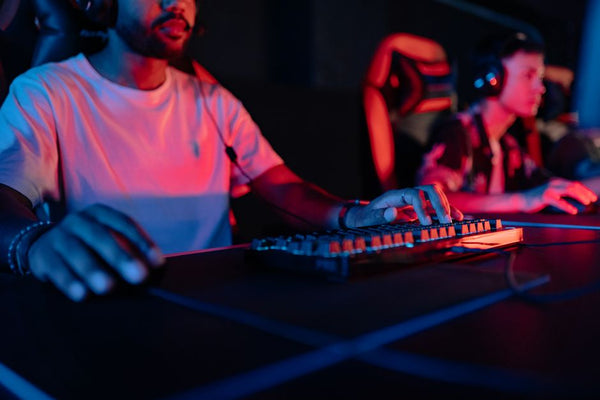
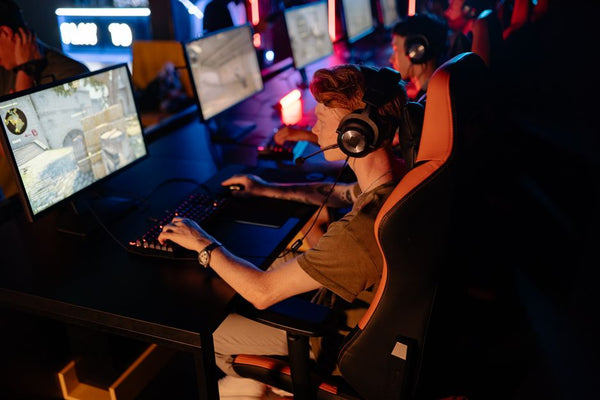
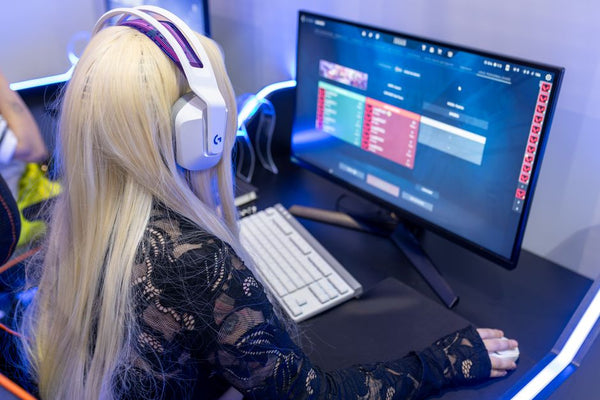
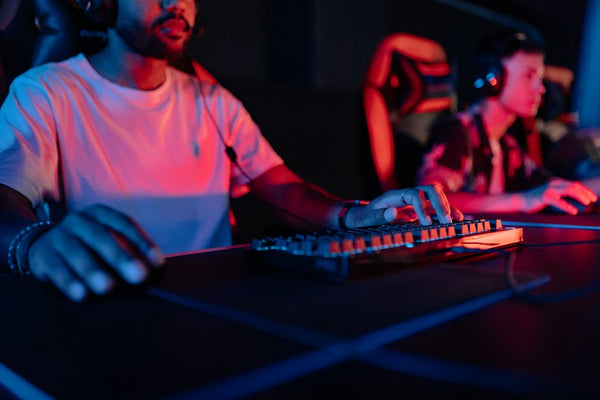
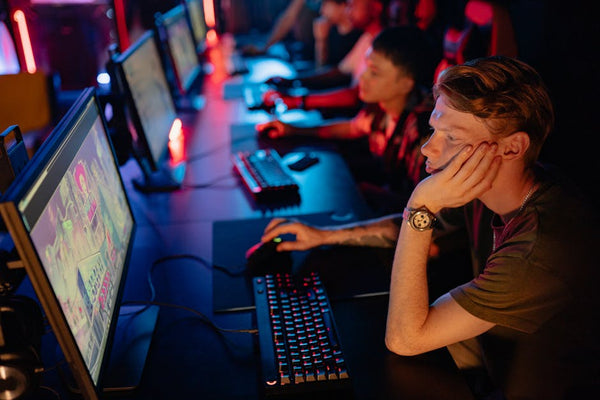
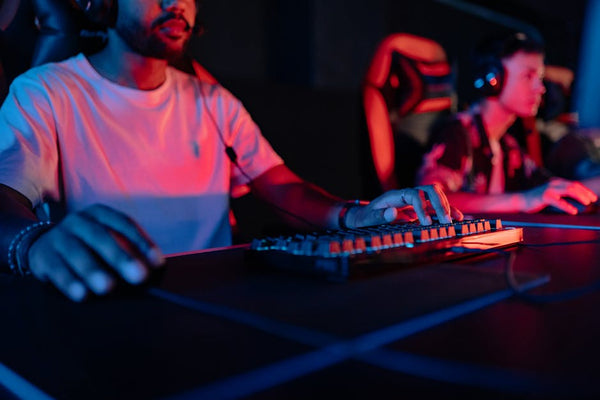
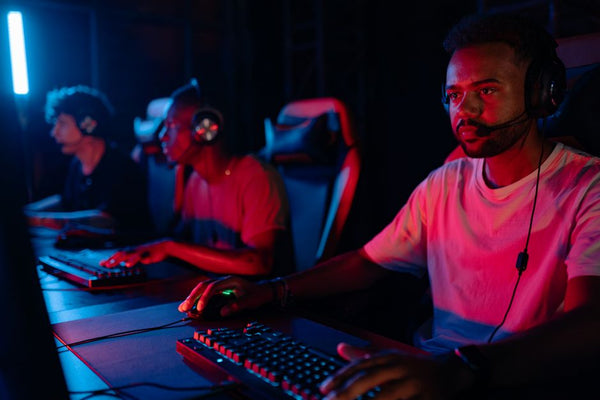
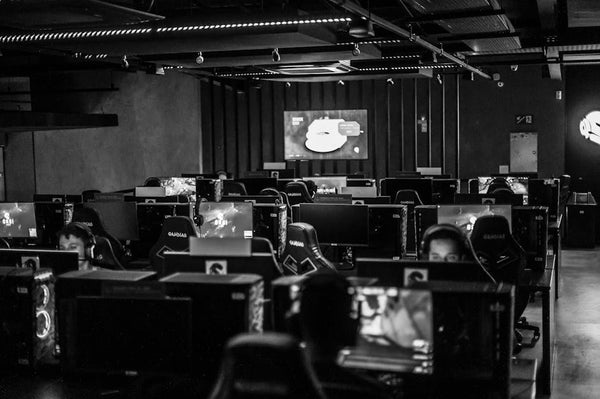
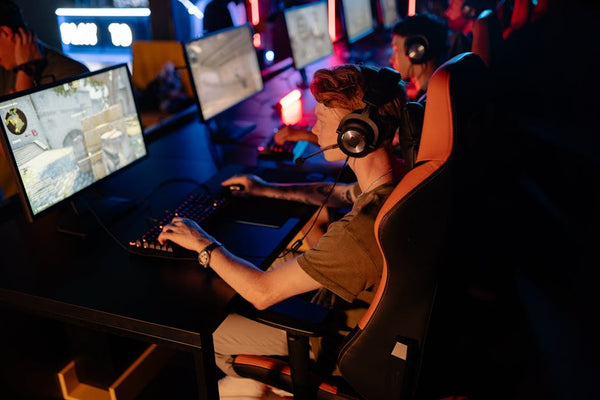
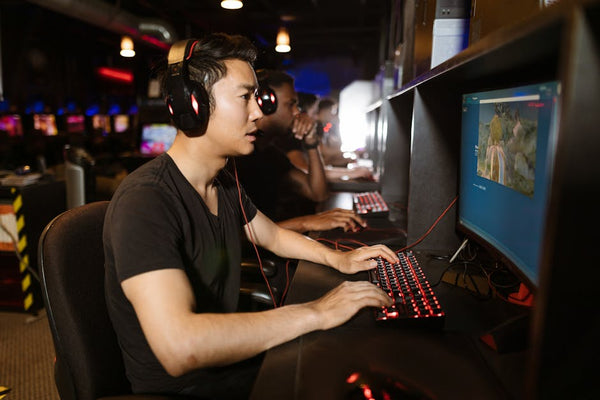
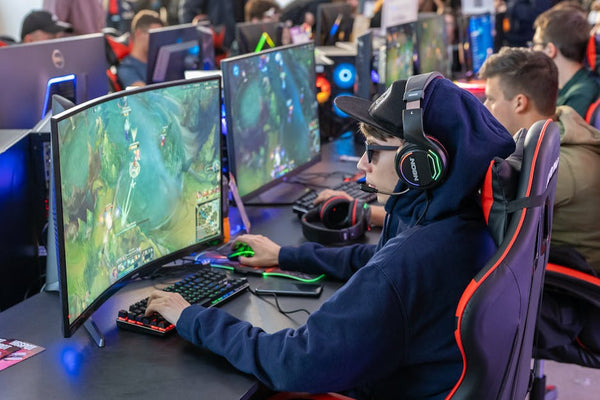
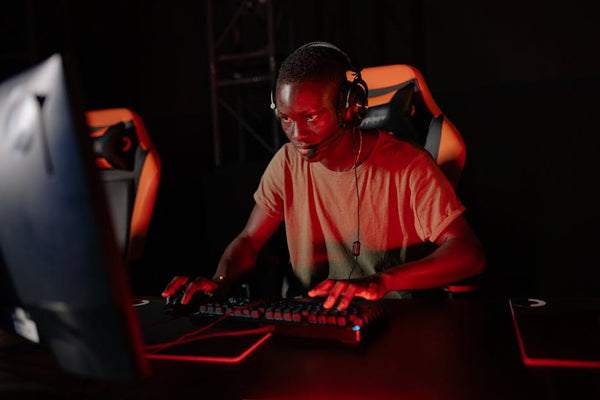
Think about it differently. In competitive gaming and esports, pros don't just practice aim trainers. They run full scrimmages to test strategies under pressure. Game prototypes work the same way – they need to simulate the real experience, not just the highlight reel.
The Indie Developer Struggle is Real
Small studios face an even worse situation. They don't have Jagex's resources or Bloober Team's track record. One failed prototype can kill their entire company. Hot take: this is why we're seeing fewer innovative indie games and more safe sequels.
11 bit Studios understands this pressure. They've published dozens of indie titles, and they've seen brilliant concepts die because the prototype didn't capture the full vision. Sometimes it's not about the idea – it's about having enough runway to build something that truly represents your game.
The math is brutal. If you're a three-person team spending six months on a prototype, that's roughly $150,000 in opportunity cost. Miss the mark? You're starting over or shutting down.
Technical Requirements Keep Rising
Publishers expect more polish in prototypes than full games shipped five years ago. Ray tracing in a proof of concept? Absolutely. 4K support? Obviously. Frame rates that don't drop below 60 FPS on high-end hardware? Non-negotiable.
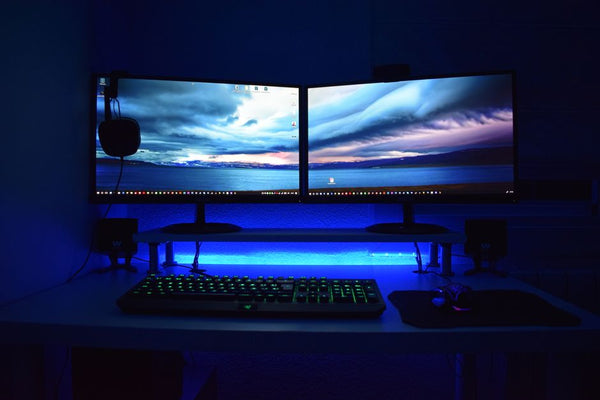
This hardware arms race affects everyone in the development pipeline. When I'm configuring systems at our shop, developers consistently need more power than they budgeted for. That RTX 4070 they planned on? Suddenly it's an RTX 4080 or they can't hit the visual targets publishers expect.
Where Pro Gaming and Game Development Intersect
Esports has changed how publishers evaluate prototypes. They're not just looking for fun single-player experiences anymore – they want games with competitive potential. Spectator modes. Balanced mechanics. Network code that won't crumble under tournament pressure.
Look at Valorant's development. Riot spent years on their prototype, testing anti-cheat systems and network performance before revealing anything publicly. That level of preparation is becoming the new standard.
But here's where things get murky – not every game needs esports potential, yet publishers keep pushing for it. Sometimes a great single-player experience is exactly what the market needs. Finding publishers who understand that difference? That's the real challenge.
The Future of Game Funding
Personally, I think we're heading toward more collaborative prototype development. Publishers providing technical resources upfront rather than just evaluating finished prototypes. It makes sense – why let talented developers fail because they couldn't afford proper hardware or tools?
Some forward-thinking publishers are already experimenting with this model. Shared development costs, milestone-based funding, technical partnership agreements. It's not perfect, but it's better than the current system where great ideas die in prototype hell.
The AI pitch problem will solve itself eventually. Publishers are getting better at filtering that garbage out, and developers are learning that authentic creativity can't be automated. What won't solve itself is the rising cost of proving your game concept works.
We need better development tools, more reasonable prototype expectations, and publishers willing to invest in potential rather than just polished demos. Until then, we'll keep losing innovative games to spreadsheet-driven funding decisions.
The next breakthrough game is sitting in someone's head right now, waiting for a publisher brave enough to fund its development. Let's hope they find each other before the prototype requirements become completely impossible to meet.



Leave a Comment