


When Esports Marketing Goes Horribly Wrong: The Glacier Disaster Every Gaming Company Should Remember
Remember when your favorite game franchise tried to copy another successful title and it went about as well as a controller with stick drift? Well, buckle up, because I've got a story that makes every cringe gaming crossover look like a masterpiece.
Back in the late '90s, World Championship Wrestling dropped millions—and I mean MILLIONS—on a character called Glacier. This wasn't just any wrestling character. This was WCW's brilliant idea to basically rip off Mortal Kombat's Sub-Zero and somehow make it work in professional wrestling. Spoiler alert: it didn't.
Why am I telling you this story on a tech blog? Because the parallels between what WCW did and what we see happening in esports and competitive gaming today are honestly terrifying. Companies throwing money at flashy gimmicks without understanding their audience? Check. Copying successful formulas without adding any original value? Double check.
The Multi-Million Dollar Ice Sculpture That Melted
Picture this. WCW executives sat in a boardroom and decided that what wrestling fans really wanted was a ninja character who looked exactly like Sub-Zero but couldn't actually freeze anyone. Glacier debuted with elaborate entrance videos, custom music that probably cost more than my first car, and special effects that would make a B-movie director weep.
The problem? Wrestling fans aren't Mortal Kombat players. Different audiences, different expectations, different entertainment values.
Sound familiar? How many times have we watched gaming companies try to force esports scenes where none naturally existed? Remember when every battle royale tried to become the next Fortnite overnight? Most of them crashed harder than my frame rate during a poorly optimized beta.
When Lawyers Get Involved, You Know You're Cooked
Here's where it gets spicy. Midway Entertainment—the folks behind Mortal Kombat—took one look at Glacier and basically said "Hold up, that's our ice ninja." They threatened legal action, and WCW folded faster than a budget gaming chair after six months of use.
A WCW executive later admitted: "We were gonna lose big, like real big." They pulled the character, ate the massive production costs, and pretended the whole thing never happened. Honestly? That's the smartest thing they did in the entire debacle.
What Modern Esports Can Learn From This Disaster
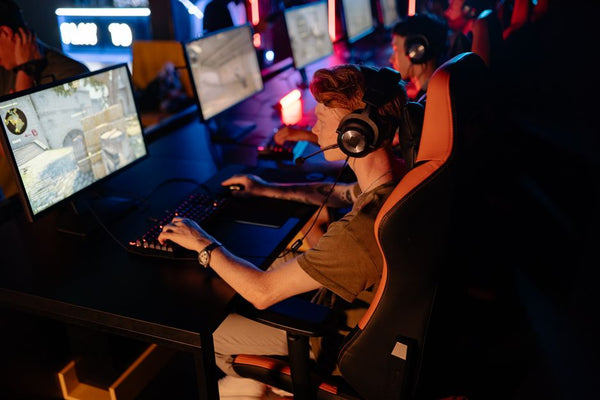
Working here at TieredUp Tech in Orange, TX, I've seen plenty of gamers drop serious cash on setups for games they thought would be the next big competitive thing. Remember Battleborn? How about LawBreakers? These titles tried to copy successful formulas without understanding what made the originals work.
The Glacier situation teaches us three crucial lessons that apply directly to competitive gaming:
Authenticity Beats Imitation Every Time
You can't just slap ice effects on a wrestler and call it Mortal Kombat. Similarly, you can't just add a ranked mode and call your game esports-ready. The most successful competitive games—think Counter-Strike, League of Legends, or Rocket League—didn't become esports juggernauts by copying others. They found their own identity first.
Hot take: Half the "esports-ready" games released in the past five years failed because they were designed by committee to check boxes rather than create genuine competitive experiences.
Know Your Audience (Seriously, This Isn't Rocket Science)
Wrestling fans wanted wrestling. Gaming fans want games that work well competitively, not games that look like they should work competitively. There's a massive difference.
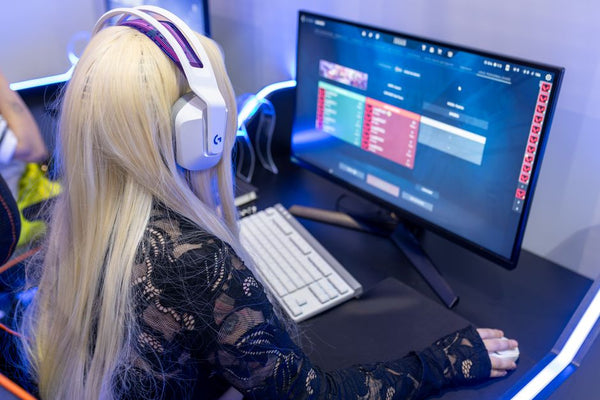
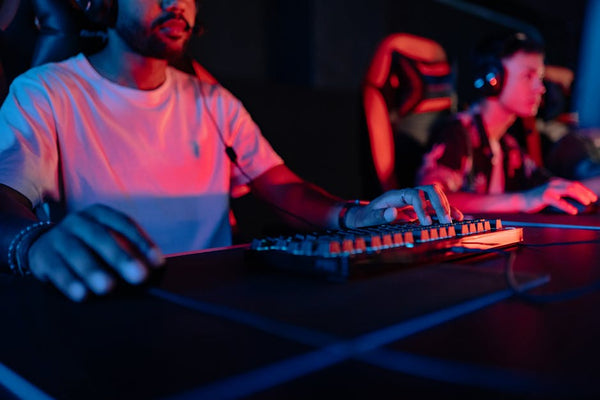
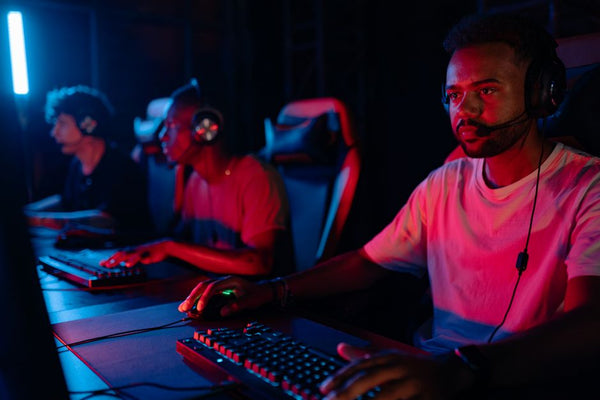
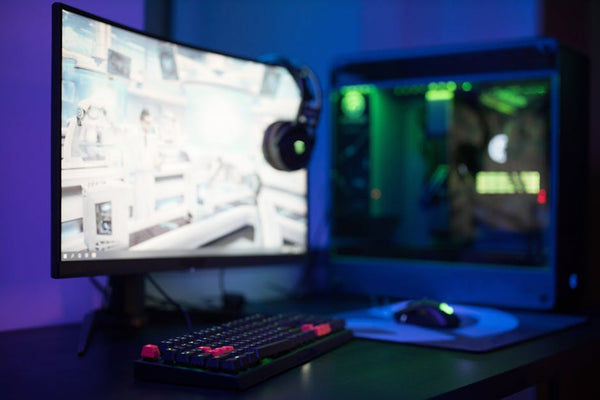
I remember helping a customer build their custom gaming PC specifically for competitive Valorant. They didn't care about ray tracing or 4K textures. They wanted consistent 240Hz performance and minimal input lag. That's understanding your audience.
Legal Issues Are Real Issues
This one's obvious but bears repeating. When Midway came knocking, WCW didn't have a leg to stand on. In gaming, we've seen similar situations with asset flips, unauthorized mods being sold commercially, and streaming copyright disasters.
But here's the thing that gets me—WCW could have avoided this entire mess with basic research. Did nobody in that company think to check if ice ninjas were already trademarked? Did nobody consider that maybe, just maybe, directly copying a fighting game character might cause problems?
The Modern Gaming Equivalent
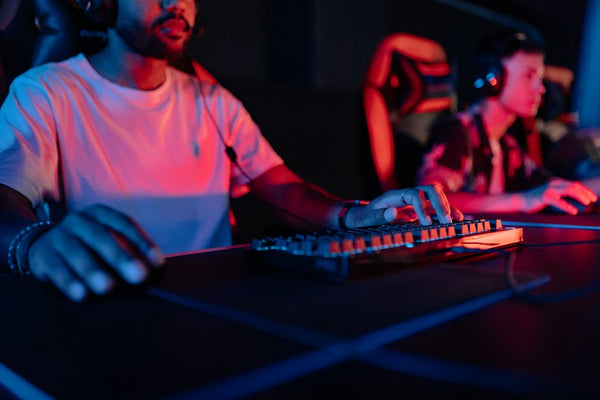
We're seeing the same mistakes repeated constantly in competitive gaming. Publishers dump millions into esports scenes for games that aren't naturally competitive. They create elaborate tournament structures for titles that players abandon within months.
Take Heroes of the Storm. Blizzard invested heavily in making it an esports title, but it was competing in a market dominated by League of Legends and Dota 2. Different audience, different timing, different expectations. Sound familiar?
Personally, I think the most successful esports scenes grew organically. Counter-Strike wasn't designed to be an esport—it became one because the community made it happen. Same with Super Smash Bros. Melee, which Nintendo actively tried to discourage for years before finally embracing it.
"We were gonna lose big, like real big." - WCW Executive on the Glacier lawsuit
What Actually Works
Instead of copying, successful companies in competitive gaming focus on what makes their product unique. Rocket League didn't try to be the next CS:GO—it became car soccer and owned that completely. Fall Guys didn't attempt to replicate existing battle royales—it made elimination rounds fun and goofy.
The question isn't "How can we copy what works?" The question is "What can we do that nobody else is doing well?"
That's not to say innovation is always the answer either. Sometimes the market genuinely doesn't need another tactical shooter or another MOBA. But if you're going to enter a crowded space, you better have something unique to offer beyond slightly different character models and a bigger marketing budget.
The Expensive Lesson
WCW's Glacier disaster cost them millions and taught the industry exactly nothing, apparently. We're still watching companies make the same fundamental mistakes: copying without understanding, targeting the wrong audience, and ignoring legal realities.
But here's what gives me hope—the gaming community is way better at calling out BS than wrestling fans were in the '90s. Bad games get exposed quickly. Forced esports scenes die fast. Players vote with their wallets and their time, and both are precious.
The next time you see a game desperately trying to manufacture an esports scene or a company copying successful formulas without adding value, remember Glacier. Remember that millions of dollars and fancy special effects can't fix a fundamentally flawed concept.
And if you're working on the next big competitive game? Maybe start by asking what wrestling fans actually wanted instead of what looked cool in Mortal Kombat. The difference might just save you from your own multi-million dollar ice sculpture that melts under the first bit of real scrutiny.

Leave a Comment