


Overwatch Antarctic Peninsula Rework: Don't Let These New Hazards Wreck Your Esports Dreams
Remember when we all thought the worst thing about Antarctic Peninsula was getting booped off the edge by a well-timed Lucio? Those were simpler times, my friends. Blizzard just dropped their long-awaited rework of this map, and honestly? It's got some nasty surprises that are going to separate the pros from the wannabes real quick.
I've been diving deep into the changes since the patch hit, and let me tell you — if you're still approaching this map like it's the old version, you're going to get absolutely demolished. The new environmental hazard isn't just some aesthetic upgrade. It's a legitimate game-changer that demands respect.
The Environmental Hazard That's Making Pharah Mains Cry
So what exactly are we dealing with here? Blizzard introduced these brutal ice storms that sweep across specific sections of the map. Think of them like a weather-based crowd control ability that nobody asked for. The storms deal consistent damage over time to any hero caught in them, but here's the kicker — flying heroes take double damage.
Why does this matter for competitive gaming? Well, if you've been relying on high-ground control with heroes like Pharah, Echo, or even aggressive Mercy positioning, you're about to have a really bad time. The storms aren't random either. They follow predictable patterns every 45 seconds, which means teams that learn the timing will absolutely punish those who don't.
Just last week at our shop in Orange, TX, I had a customer come in looking to upgrade their setup specifically because they were struggling with the new Antarctic Peninsula changes. Their reaction time wasn't cutting it anymore, and honestly? That's going to be a common theme.
Timing is Everything (And Most People Get It Wrong)
Here's where I see teams consistently messing up: they're treating the ice storms like environmental cover instead of environmental threats. Bad move. The storms create temporary no-fly zones, but they also offer opportunities for aggressive pushes if you time them right.
Smart teams are using the storm windows to advance on objectives while the enemy's aerial heroes are grounded. Dumb teams? They're still trying to maintain air superiority and feeding ult charge like it's Christmas morning.
Map Flow Changes That'll Break Your Old Strategies
Beyond the environmental hazards, Blizzard "smoothed out team pushes" — corporate speak for "we changed everything you thought you knew about this map." The geometry tweaks seem minor until you realize your favorite flanking routes don't work anymore.
The central choke point got wider. Good news for deathball comps, terrible news if you've been relying on narrow corridors to make plays with heroes like Reaper or Mei. The high ground positioning near Point A? Completely reworked. Those pixel-perfect Widowmaker angles you spent hours perfecting? Gone.
Personally, I think these changes were necessary. The old Antarctic Peninsula was becoming stale in pro gaming, with teams running the same compositions every single time. But that doesn't make the adjustment period any less painful for players who built their entire strategy around the old layout.
Common Positioning Mistakes I'm Seeing Everywhere
Want to know the fastest way to spot someone who hasn't adapted to the new Antarctic Peninsula? They're still playing corners that don't exist anymore. I've watched so many streamers try to hold angles that got removed in the rework, and it's honestly painful to watch.
The biggest mistake I'm seeing is teams trying to force vertical plays during storm phases. Your Pharah doesn't need to be in the sky 100% of the time, especially when the map is literally trying to kill her for it. Learn to play grounded during storm windows, then exploit the aerial advantage when it's safe.
Another huge error? Not respecting the new sightlines. The smoothed-out push routes mean DPS heroes have way more open space to work with, but that also means less natural cover. If you're still positioning like the old map, you're basically asking to get picked.
What This Means for Esports Team Compositions
Hot take: this rework is going to shake up the professional scene way more than people realize. Teams that have been relying heavily on dive compositions with flying heroes are going to need serious strategy overhauls. The storm timing adds a macro element that requires actual coordination — something a lot of ranked teams just don't have.
We're already seeing early adaptations in competitive gaming. Some teams are running more grounded, bunker-style compositions to weather the storm phases, then switching to aggressive pushes when the skies clear. Others are experimenting with quick-swap strategies, rotating heroes based on storm timing.
But here's what's really interesting: the teams that are thriving aren't necessarily the ones with the best mechanical skill. They're the ones treating this like a puzzle to solve rather than an obstacle to overcome. The environmental hazard isn't just changing how you play — it's changing when you play.
Hardware Considerations Nobody's Talking About
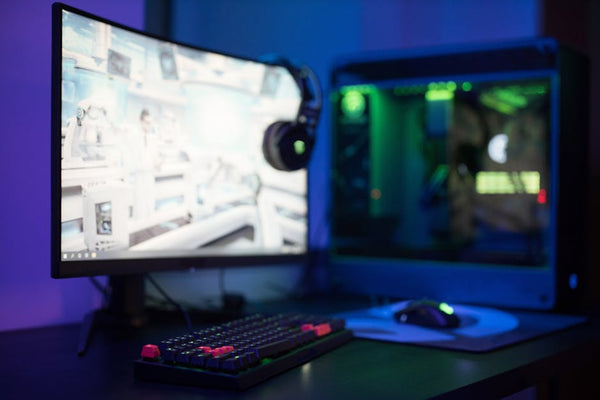
This might sound weird coming from someone who used to sell console accessories, but the Antarctic Peninsula rework has some legitimate hardware implications. The new weather effects are surprisingly demanding, and I've already had multiple customers asking about upgrading their rigs to maintain stable frame rates during storm sequences.
If you're serious about climbing in competitive, you can't afford frame drops during crucial storm transitions. The timing windows are tight enough without your hardware working against you.
Adapting Your Mental Game
Look, I get it. Change sucks, especially when you've invested hundreds of hours mastering a map. But the teams that are going to succeed with the new Antarctic Peninsula aren't the ones mourning the old version — they're the ones embracing the new strategic depth.
The environmental hazard isn't just a gimmick. It's a legitimate tactical element that adds layers to team fights. You need to track storm timing the same way you track ultimates. You need to coordinate positioning around weather patterns the same way you coordinate around enemy cooldowns.
Will it take time to adjust? Absolutely. Is it worth the effort? If you're serious about competitive gaming, you don't really have a choice. The teams that master these new mechanics first are going to have a significant advantage while everyone else is still figuring things out.
The rework isn't going anywhere, and neither are those ice storms. Time to adapt or get left behind in the blizzard.




















Leave a Comment