


Gaming Tips: Why Last Flag's Launch Disaster Shows What Not to Do in 2024
Yo, did you see the absolute trainwreck that was Last Flag's launch? Dan Reynolds from Imagine Dragons thought he could just waltz into the gaming space and print money with a capture-the-flag shooter. Spoiler alert: it didn't work.
Less than 600 concurrent players on Steam. That's not even enough to fill a decent Counter-Strike server. For reference, my local card shop back in Orange, TX probably sees more people during Friday Night Magic than Last Flag saw playing simultaneously. And trust me, competitive TCG crowds can be brutal – but at least they show up.
The thing is, Last Flag's failure isn't just about one bad game. It's a masterclass in what happens when you ignore basic gaming tips that literally every successful multiplayer shooter follows. Let me break down why this matters for anyone thinking about game development, PC optimization, or just understanding what makes gaming communities tick.
The Market Is Absolutely Saturated (And That's Not Changing)
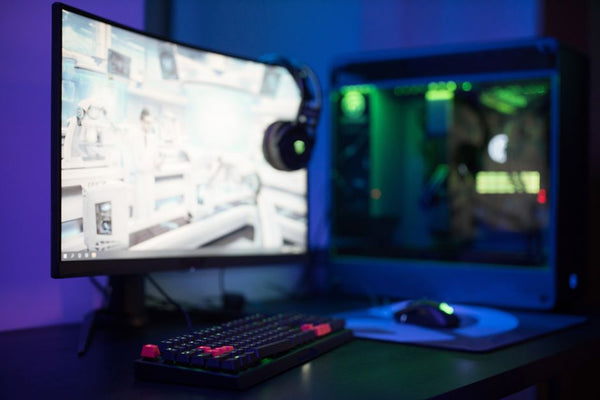
Look, I've been building gaming PCs at TieredUp Tech for years now, and every single customer asks the same question: "What games should I test this rig with?" Apex Legends. Valorant. CS2. Overwatch 2.
Notice what's not on that list? Random new shooters from rock stars.
The multiplayer shooter space is like trying to crack into the vintage Magic card market. Sure, there's money there, but you're competing against established powerhouses with decades of brand recognition. Would you rather invest in a Black Lotus or some random new card from an unknown set? Exactly.
Hot take: Reynolds and his team probably thought celebrity status would translate to gaming success. It doesn't work that way. Gaming performance matters more than star power when you're asking people to invest 40+ hours learning your mechanics.
The Numbers Don't Lie
Let's get real about what 600 concurrent players actually means. Valorant regularly hits over 150,000. CS2 sits around 900,000 on average. Even smaller shooters like Hunt: Showdown maintain 20,000+ players during peak hours.
Last Flag couldn't even beat indie darlings that launched with zero marketing budget. That's not just bad – that's catastrophically bad.
PC Optimization Gaming Tips That Actually Matter
Here's where Last Flag really screwed up, and where most failed multiplayer games crash and burn. You can't just throw together decent graphics and hope for the best. Modern gamers have zero patience for technical issues.
I was helping a customer configure their build last week – RTX 4070, Ryzen 7 7700X, solid mid-range setup. First thing they wanted to know? "Will this run smoothly at 144Hz?" Not "will it look pretty" or "can I stream with this." Smoothly. At high refresh rates.
That's the bar now. Your game needs to run flawlessly on hardware ranging from budget builds to enthusiast rigs. Last Flag apparently missed this memo.
Why Technical Performance Kills Games Faster Than Bad Marketing
Remember Cyberpunk 2077's launch? Massive IP, huge budget, years of hype. Still got absolutely roasted because it didn't run properly on standard hardware. If CD Projekt RED can't survive a bad technical launch, what chance does a debut studio have?
Last Flag needed to nail these basics:
- Consistent framerates across different GPU tiers
- Netcode that doesn't make players rage-quit
- Loading times under 30 seconds (preferably under 15)
- Zero crashing during peak hours
Did they? Based on early reviews and that player count, probably not.
Community Building vs. Celebrity Marketing (Spoiler: Community Wins)
Personally, I think Last Flag's biggest mistake was assuming name recognition equals engaged playerbase. That's like thinking expensive cards automatically make a good TCG deck. Doesn't work that way.
Successful multiplayer games build communities organically. Look at how Valorant grew – Riot Games didn't rely on celebrity endorsements. They invited streamers, hosted beta events, and made sure the core gameplay loop was addictive before going public.
What did Last Flag do? Dropped a trailer, mentioned Dan Reynolds was involved, and hoped for the best. That's not community building. That's just hoping your brand carries you.
The Streaming Problem
Here's something most developers don't consider: is your game actually fun to watch? Twitch and YouTube are basically free marketing for multiplayer shooters, but only if your game translates well to video content.
Last Flag needed streamers picking up the game organically. Instead, they got crickets. No major streamers meant no viral moments. No viral moments meant no organic growth. Classic death spiral.
"If your game isn't generating clips worth sharing, you're already behind the curve." - Every successful indie developer ever
Gaming Tips for Avoiding the Last Flag Trap
Whether you're developing games or just trying to understand why some titles succeed while others crash, these lessons matter. The gaming market isn't forgiving, and it definitely doesn't care about your previous achievements in other industries.
First rule: nail the fundamentals. Your game needs to work perfectly on day one. Not "mostly work" or "work with some patches." Perfectly. Players will give you exactly one chance to make a good first impression.
Second: understand your competition. Last Flag launched into a space dominated by games with millions of players and billion-dollar budgets. That's not necessarily a death sentence, but you better have something genuinely unique to offer.
Third: build your community before launch, not after. Gaming communities are like TCG playgroups – they form around shared experiences and trust. You can't manufacture that with marketing dollars.
The Hardware Reality Check
Something else Last Flag probably didn't consider: most gamers are running mid-range hardware. Not everyone has a $3,000 battle station. If your game only runs well on high-end rigs, you've already limited your potential audience to maybe 20% of PC gamers.
Smart developers optimize for the Steam Hardware Survey averages. GTX 1650s and RTX 3060s, not RTX 4090s. Last Flag needed to run smoothly on the hardware people actually own, not just what tech reviewers test with.
What This Means for the Industry
Last Flag's failure isn't just one studio's problem. It's a warning sign for anyone thinking they can casually enter the gaming space without understanding what modern players expect.
The bar keeps rising. Free-to-play games with massive budgets are setting player expectations for polish and content. Premium multiplayer shooters better bring something special to justify that price tag.
Honestly, I'm not sure there's room for mid-budget multiplayer shooters anymore. You either need to go big with AAA polish or go small with innovative mechanics. Last Flag tried to split the difference and got crushed by both sides.
If you're planning your next gaming build and want something that'll handle whatever actually successful shooter launches next, build your custom gaming PC with BitCrate and skip the games that peak at 600 players. Your time's more valuable than that.
The gaming industry moves fast. Last Flag just learned that lesson the hard way, with a very public and very expensive reminder that celebrity status doesn't automatically translate to gaming success. Maybe stick to making music, Dan.






Leave a Comment