


Backseat Gaming Tech Gets the Brutal Dark Souls 2 Treatment: Is This the Future of Interactive Streaming?
Remember when Google Stadia died? Yeah, that was rough. But what if I told you someone just called a new gaming tech "Temu Google Stadia" while getting absolutely demolished by Dark Souls 2? Because that's exactly what happened, and honestly, it's the most entertaining product review I've seen all month.
A Vtuber recently showcased what's being called "backseat gaming" technology during their first-ever playthrough of Dark Souls 2. For those who don't know, Dark Souls 2 is basically digital torture disguised as entertainment. Perfect testing ground.
The tech? It's wild. Viewers can literally take control and help (or troll) streamers in real-time. Think Twitch Plays Pokemon, but actually functional.
What Even Is Backseat Gaming Technology?
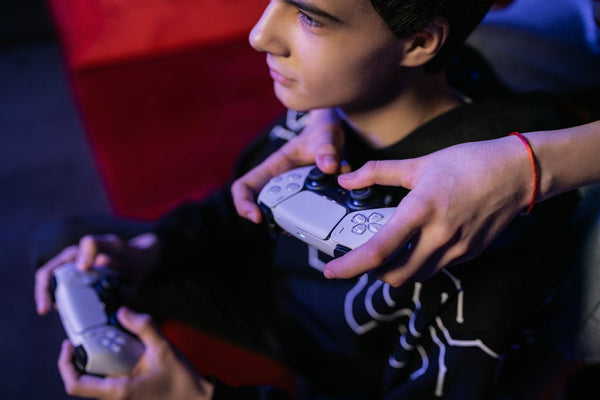
Okay, so picture this. You're watching someone play a game they're terrible at. Frustrating, right? Now imagine you could just... take the controller for a second. That's essentially what this tech does, but through streaming platforms.
The system works through cloud processing and input lag that's reportedly under 50 milliseconds. Not bad! I've seen gaming mice with worse response times. The Vtuber was using what appeared to be a modified streaming setup that allowed chat participants to request control during specific moments.
But here's where it gets spicy – they called it "Temu Google Stadia" because apparently the interface looks cheap but somehow works better than Google's billion-dollar disaster. Ouch. True, but ouch.
The Dark Souls 2 Stress Test
Why Dark Souls 2 though? Smart choice, actually. If your tech can handle the precise timing required for From Software's medieval torture simulator, it can handle anything. The Vtuber was getting absolutely bodied by the Pursuer boss when chat started taking turns helping out.
One viewer managed to pull off a perfect dodge-roll sequence. Another immediately walked the character off a cliff. Peak gaming content right there.
The lag was minimal enough that viewers could actually contribute meaningfully to boss fights. That's... impressive? I remember when we couldn't even get party chat to work properly half the time. Now we're remotely controlling someone's Dark Souls run through Twitch.
Is This Actually Useful for Competitive Gaming and Esports?
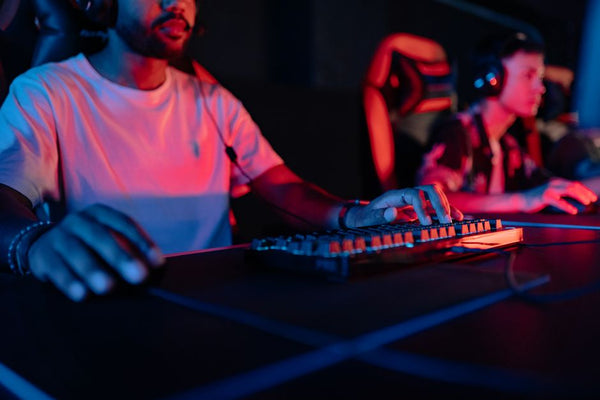
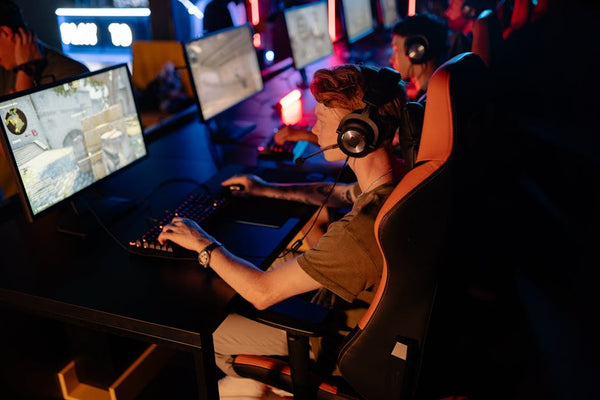
Hot take: this could change coaching in esports forever. Imagine a coach being able to literally demonstrate a technique mid-match instead of just screaming instructions. Of course, that would probably violate every tournament rule ever written, but the training applications are obvious.
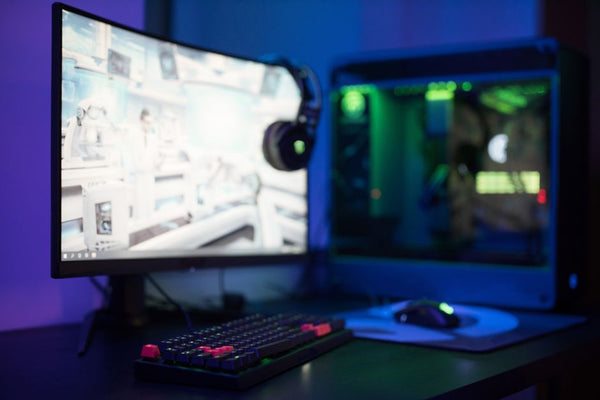
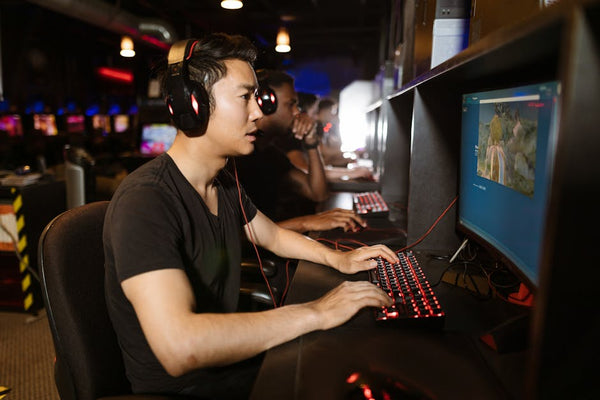
I was helping a customer configure their competitive gaming setup at our shop here in Orange, TX last week, and they mentioned wanting better ways to practice with their team remotely. This tech could solve that problem entirely. No more trying to explain complex rotations over Discord – just show them directly.
For streaming and content creation though? This is potentially huge. The engagement factor alone is worth considering. Viewers aren't just watching anymore; they're participating in meaningful ways.
The Technical Reality Check
Let's get real for a second. The tech isn't perfect. The Vtuber experienced several moments where inputs didn't register properly, leading to some hilarious deaths. The system also seems to struggle with rapid button combinations – not great for fighting games or anything requiring precise execution.
Bandwidth requirements are apparently pretty steep too. You're essentially streaming two-way input data on top of the regular video stream. Most content creators are already maxing out their upload speeds.
And honestly? I'm not sure how sustainable this is from a platform perspective. Twitch's terms of service are... complicated when it comes to third-party control systems. This feels like something that could get shut down faster than you can say "DMCA strike."
The Bigger Picture for Gaming Hardware
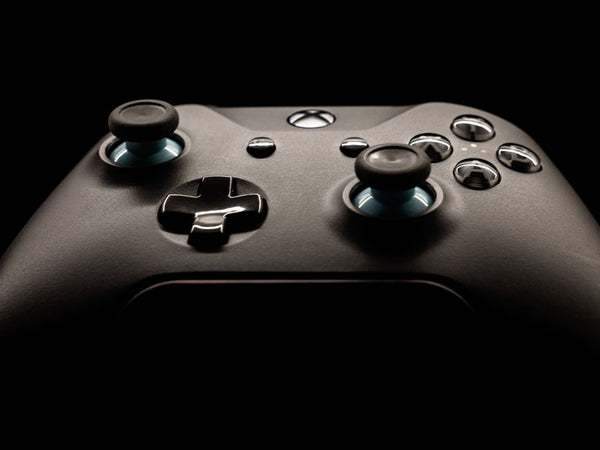
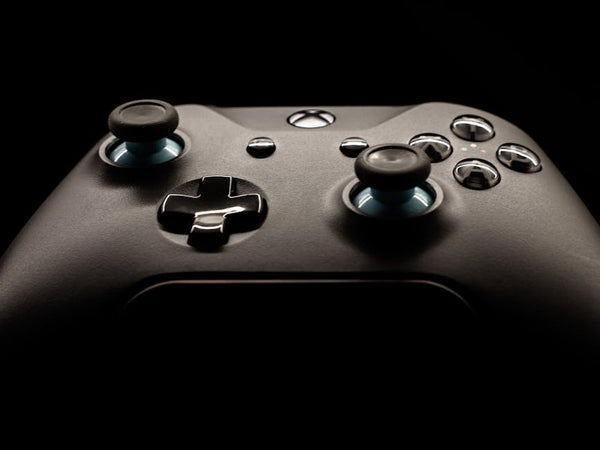
Here's what's really interesting – this tech doesn't require special controllers or expensive hardware. It's essentially software-based input sharing. The Vtuber was using a standard Xbox controller connected through what looked like a modified OBS setup.
That means accessibility. No need to drop $200 on specialized equipment. Just download the software and connect your existing gear.
But there's a catch. The processing happens server-side, which means ongoing costs. Someone's paying for those cloud servers, and it probably isn't going to be free forever. We've seen this movie before with streaming services.
"It's like Google Stadia, but from Temu" might be the harshest yet most accurate product description I've heard this year.
What This Means for Content Creators
Personally, I think this could democratize gaming content in weird ways. Small streamers could offer "hands-on" experiences that bigger creators can't match. Why watch someone else play when you could literally help them beat that boss you've been stuck on for hours?
The monetization potential is obvious too. Premium subscribers get control priority. Donations unlock longer control sessions. Chat battles for controller access. It's engagement farming, but the fun kind.
There's also the educational angle. Imagine speedrunners teaching techniques by literally guiding your inputs. Or pro players demonstrating strategies in real-time. The learning curve for complex games could get a lot less steep.
Should You Care About This Tech Right Now?
Look, we're probably still months away from this being mainstream. The Dark Souls 2 demo was clearly early-stage stuff. Lots of jank, occasional disconnects, and some seriously questionable design choices in the user interface.
But the core concept works. That's what matters.
If you're a content creator, start paying attention. This could be the next big differentiator for streamers. Early adoption might actually pay off for once, assuming the platform doesn't collapse under legal pressure first.
For viewers? It's just cool tech that makes streams more interactive. Hard to argue with that, even if the execution needs work.
The Reality of Remote Gaming
Here's where I'm genuinely unsure – is this sustainable long-term? The server costs, the bandwidth requirements, the potential for abuse... there are so many ways this could go wrong. Remember when everyone thought NFT gaming was the future? Yeah.
But unlike crypto gaming or whatever, this actually solves real problems. Remote collaboration, interactive content, accessible gaming experiences for people with disabilities. Those aren't fake problems looking for blockchain solutions.
The "Temu Google Stadia" comparison is brutal but fair. It looks cheap, works better than expected, and probably has some sketchy terms of service buried somewhere. But unlike Stadia, people actually seem to want this.
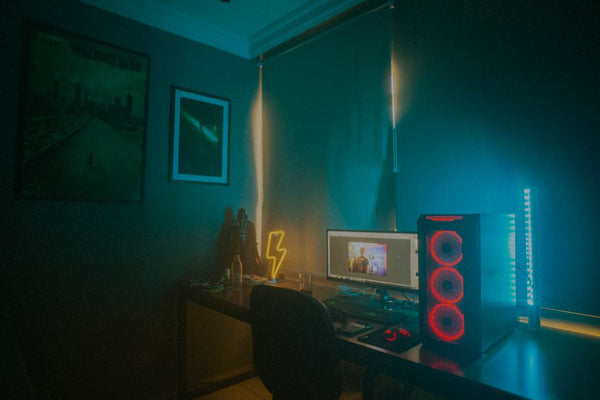
Whether you're interested in building your custom gaming PC with BitCrate or just curious about the next evolution of gaming tech, this backseat gaming trend is worth watching. Just maybe don't let random internet strangers control your Dark Souls character unless you're prepared for some spectacular failures.
The future of gaming might not be what we expected, but it's definitely going to be more collaborative than we thought. Now if someone could just figure out how to make this work with competitive gaming without breaking every tournament rule ever written, we'd really have something special.


Leave a Comment