


Xreal's Budget AR Glasses Just Made the Biggest Mistake in Gaming Tech
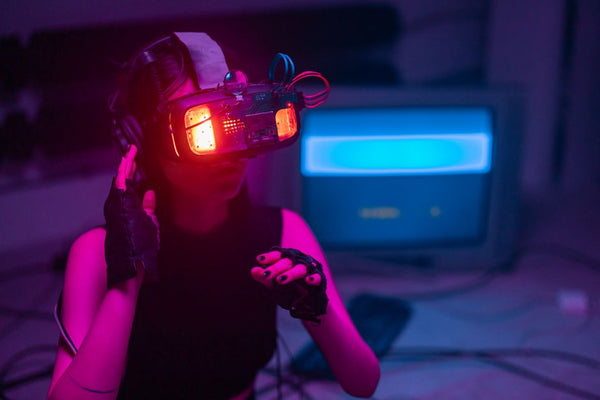
So Xreal just dropped their new a01 AR glasses under a fresh "X By Xreal" subbrand, and honestly? The tech news is calling it revolutionary. Anti-shake stabilization! Swappable frames! 3D printable customization! Coming to the US in July! But here's the thing that's bugging me after building PCs for over a decade and watching countless "game-changing" peripherals flop harder than a GTX 1050 trying to run Cyberpunk at 4K.
They're solving the wrong problems.
The Anti-Shake Tech That Nobody Actually Asked For
Let's talk about this anti-shake feature first. Xreal's marketing team is pushing this like it's the holy grail of AR. But bro, when was the last time you saw someone complaining that their smart glasses were too shaky? I've been helping customers at TieredUp Tech in Orange, TX figure out their gaming setups for years, and you know what the number one complaint is about AR/VR gear?
It's not shake. It's eye strain.
Look, I get it. Image stabilization sounds sexy in a spec sheet. It's tangible. Measurable. Easy to demo in a YouTube video. But genuinely, most people wearing AR glasses aren't running marathons or doing parkour. They're sitting at desks, walking around conventions, maybe standing in their living rooms. The shake issue is about as pressing as worrying about CPU cooler RGB affecting your frame rates.
What we actually need is better optical quality, lower latency, and displays that don't make your eyes feel like they've been sandblasted after 30 minutes. But those problems are harder to solve and way less marketable than "REVOLUTIONARY ANTI-SHAKE TECHNOLOGY."
The Real Performance Metrics That Matter
Want to know what specs would actually get me excited about budget AR glasses? Here's what Xreal should be bragging about instead:
- Display latency under 20ms (they won't tell you this number, which is telling)
- Actual brightness measurements in nits, not just "bright enough for indoor use"
- Battery life with real usage patterns, not standby time
- Compatibility with specific graphics cards and their output specs
But nah, we get anti-shake tech and swappable frames. Cool.
Swappable Frames: Missing the Point Entirely
The customization angle is where things get really cringe. Xreal's pushing hard on these swappable frames and 3D printable designs like they've invented some revolutionary new concept. Have they never heard of... glasses? Regular glasses have been doing this for literally decades.
Personally, I think they're targeting the wrong demographic here. The people who care enough about AR to drop money on these glasses aren't the same crowd that's going to spend hours 3D printing custom frames. That's like selling gaming chairs to people who already have Herman Miller setups – you're barking up the wrong tree.
Hot take: customizable frames are a distraction from fundamental hardware limitations. It's like putting racing stripes on a Honda Civic and calling it a sports car. The real question is whether these a01 glasses can actually deliver a decent AR experience, not whether I can print a frame that looks like Batman's cowl.
The 3D Printing Gimmick Nobody Will Use
Let's be real about this 3D printing feature for a second. How many people do you actually know who have consistent access to quality 3D printers? And of those people, how many are going to spend time designing, printing, testing, and iterating custom AR glass frames?
Maybe 0.01% of buyers. Tops.
This feels like a marketing checkbox item rather than a genuine user benefit. It's the kind of feature that sounds amazing in a press release but ends up being used by exactly three people on Reddit who post about it once and then go back to using the default frames.
What Budget AR Actually Needs to Nail
Here's where I might sound like a broken record, but after watching the gaming technology space evolve for years, budget devices always face the same fundamental challenge: they can't just be "good enough" versions of premium gear. They need to excel at specific use cases.
The Magic Leap 2 costs $3,299. Microsoft HoloLens runs around $3,500. Apple's Vision Pro is $3,499. So what's Xreal's play here? They haven't announced pricing for the a01, but their previous models hit around $400-500. That's not exactly budget territory for most people, but it's accessible compared to the big players.
But here's the thing – at that price point, you're not competing against Magic Leap. You're competing against a decent gaming monitor, mechanical keyboard, and high-refresh mouse combo. Or hell, common-tier builds starting under $800 that can actually run modern games at decent settings.
The Compatibility Question Mark
One thing that's genuinely unclear from the initial tech news coverage is how these a01 glasses handle different input sources. Are we talking USB-C only? DisplayPort? HDMI? What about refresh rate support?
If you're running a gaming setup with a RTX 4070 pushing 1440p at 144Hz, will these glasses bottleneck that down to 60Hz? Can they handle variable refresh rates? These are the questions that actually matter for gaming applications, but nobody's talking about them because anti-shake tech is apparently more newsworthy.
This uncertainty makes it really hard to recommend for anyone serious about their gaming setup. It's like buying a motherboard without knowing what RAM speeds it supports – you might get lucky, or you might be stuck with performance you didn't expect.
The Reality Check Nobody Wants to Hear
Look, I want AR glasses to succeed. The concept is solid, the potential applications are genuinely exciting, and competition in this space benefits everyone. But Xreal's approach with the a01 feels like they're optimizing for headlines rather than user experience.
Anti-shake technology and customizable frames aren't going to fix the fundamental issues that keep AR from going mainstream. Field of view limitations, battery life constraints, social acceptability concerns, software ecosystem gaps – these are the real barriers.
Honestly, it reminds me of all those gaming laptop manufacturers who spend months perfecting RGB lighting patterns while shipping thermal designs that turn your CPU into a space heater. You're solving the wrong problems, and everyone can see it.
Where Xreal Actually Gets It Right
That said, credit where it's due – Xreal is at least trying to hit a price point that normal humans can consider. The existing AR market is so premium-focused that there's definitely room for a more accessible option, even if it's not truly "budget."
And the timing isn't terrible either. With Apple's Vision Pro creating mainstream awareness and meta continuing to push VR adoption, there's probably more consumer interest in AR/VR wearables than there's been in years.
The question is whether Xreal can execute on the basics while competitors focus on flashier features. Sometimes the boring approach wins – just ask AMD about their Ryzen strategy against Intel's marketing hype.
When the a01 glasses hit US markets in July, the real test won't be how well the anti-shake works or how many custom frames people print. It'll be whether someone can wear them for two hours without wanting to throw them in a drawer next to their abandoned VR headset. That's the bar they need to clear, and based on what we know so far, I'm not holding my breath.
































Leave a Comment