


Ancient Microbes from Ötzi the Iceman Still Growing: What This Tech News Means for Gaming Technology
Okay, this is absolutely wild. Scientists just discovered that some microbes frozen with Ötzi the Iceman for over 5,300 years are still alive and growing. Yeah, you read that right – we're talking about microscopic life forms that were chilling (literally) when humans were just figuring out copper tools, and they're still kicking today.
Now you might be wondering what frozen ancient bacteria have to do with your next GPU upgrade or that sick RGB build you've been planning. Honestly? Everything. This discovery isn't just cool science – it's a masterclass in data preservation, extreme longevity testing, and the kind of engineering principles that directly impact how we think about modern gaming technology.
The Ultimate Stress Test: 5,300 Years of Frozen Storage
Think about this for a second. These microbes survived longer than any SSD warranty, longer than any motherboard's expected lifespan, longer than the entire history of computing. It's like finding a GeForce 256 from 1999 that still runs Crysis at max settings in 2024.
The researchers found these organisms in Ötzi's digestive system and skin samples. After being flash-frozen in Alpine ice and staying at consistently sub-zero temperatures, some of these bacterial communities remained viable. We're not talking about DNA fragments or fossil traces – these are living, reproducing organisms that can still be cultured in lab conditions.
From a tech perspective, this is insane. We stress-test our gaming rigs for maybe 24-48 hours maximum. Meanwhile, Mother Nature just dropped the longest-running stability test in human history. These microbes basically passed a 5,300-year torture test that makes our worst overclocking scenarios look like a casual benchmark run.
What Makes Something Survive Extreme Conditions?
The secret sauce here isn't just cold storage. It's about optimal preservation conditions that eliminated almost all variables that cause degradation. No oxygen exposure, no temperature fluctuations, no moisture changes, no electromagnetic interference. Pure isolation.
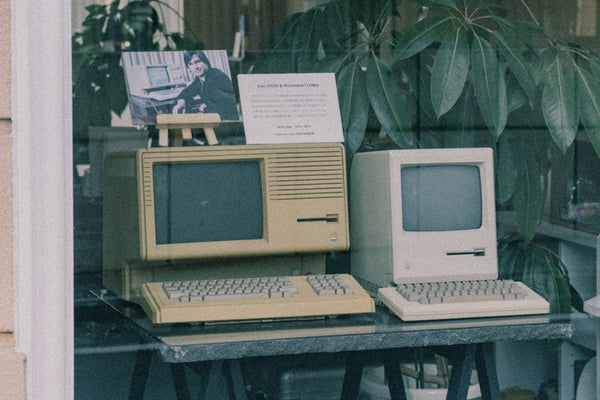
This reminds me of helping a customer at our shop here in Orange, TX last month who was paranoid about his vintage hardware collection. He'd built this elaborate climate-controlled storage setup for his original PlayStation and N64 systems. Turns out he wasn't being crazy – controlled environments really do work miracles for preservation.
Ancient Microbes vs Modern Gaming Technology: Lessons in Longevity
Here's where it gets spicy for us tech enthusiasts. These microbes survived because they entered a state of suspended animation – metabolic processes slowed to nearly zero while maintaining structural integrity. Sound familiar?
Modern processors do something similar with sleep states and power management. Your CPU can drop to C8 sleep state, basically becoming dormant while preserving its state data. SSDs use wear leveling and over-provisioning to extend lifespan. RAM maintains data integrity through error correction codes.
But here's the kicker – even our best preservation tech can't match what happened naturally with Ötzi. Your average gaming laptop battery starts degrading after 500-1000 charge cycles. Your SSD might last 10 years with normal use. Your motherboard capacitors? Maybe 15 years if you're lucky.
These ancient organisms essentially achieved what every hardware engineer dreams of: indefinite data preservation with zero maintenance requirements.
The Real-World Applications We're Missing
Personally, I think we're sleeping on the implications here. If biological systems can maintain viability for millennia under the right conditions, why can't we engineer similar longevity into our gaming hardware?
Imagine if your graphics card could enter a true hibernation state during idle periods, extending its lifespan from 5-7 years to potentially decades. Or if SSDs could dynamically adjust their storage mechanisms based on access patterns, mimicking how these microbes adapted to extreme preservation conditions.
The cooling implications alone are fascinating. These organisms survived in conditions that would make liquid nitrogen overclocking look warm. What if we borrowed preservation techniques from archaeology for next-gen cooling solutions?
Gaming Tech News: Why Preservation Matters More Than Ever
Gaming technology moves fast. Ridiculously fast. Your cutting-edge RTX 4090 becomes mid-tier within two generations. That $2000 processor becomes budget hardware in three years. We accept planned obsolescence as normal.
But Ötzi's microbes prove that with proper conditions, biological "hardware" can remain functional for thousands of years. Makes you wonder if we're approaching component lifespan all wrong.
Hot take: The gaming industry needs to start thinking about preservation differently. Not just backwards compatibility in software, but actual hardware longevity. Why can't we build systems that last centuries instead of years?
The Ecosystem Angle That Changes Everything
Here's what really blew my mind about this discovery. These weren't just individual microbes surviving – entire microbial ecosystems remained intact. Complex communities with interdependent relationships, all preserved perfectly.
This ecosystem preservation concept could revolutionize how we think about PC builds. Instead of treating each component as an isolated unit, what if we designed entire systems as integrated ecosystems? Where every part is optimized not just for individual performance, but for collective longevity?
When you build your custom gaming PC with BitCrate, you're essentially creating a technological ecosystem. Each component needs to work harmoniously with others for optimal performance and lifespan. Maybe the ancient microbes have something to teach us about system integration.
Future Tech Implications: Learning from the Past
The research teams studying Ötzi's samples are using advanced DNA sequencing, proteomics analysis, and metabolic profiling. These same technologies are being adapted for semiconductor analysis and failure prediction in modern hardware.
What if manufacturers started thinking about component aging the way archaeologists think about preservation? Instead of just testing for immediate failure modes, we could predict degradation patterns across decades or centuries.
Ngl, this makes me excited about future gaming technology possibilities. Imagine components that automatically adjust their operating parameters based on predicted lifespan models. Or storage devices that could remain viable for geological timescales.
The Uncertainty Factor
But here's where I'm genuinely uncertain about all this. While the preservation aspect is incredible, we don't fully understand why some microbes survived while others didn't. The selection pressure that determined survival might not translate directly to artificial systems.
Maybe perfect preservation isn't always desirable in gaming tech. Sometimes you want components to fail gracefully and be replaced with better technology. Evolution requires some degree of turnover, right?
What This Means for Your Next Build
So what's the practical takeaway for us gamers and builders? Start thinking about your PC as a preservation system, not just a performance machine.
Choose quality components that age well. Invest in proper cooling that maintains consistent temperatures. Consider environmental factors like humidity and dust that accelerate degradation. Build systems that can be maintained and upgraded incrementally rather than completely replaced.
The microbes in Ötzi survived because they were perfectly isolated from degradation factors. Your gaming rig won't last 5,300 years, but applying similar principles might help it outlive several console generations.
This discovery proves that with the right conditions, even the most complex systems can achieve incredible longevity. Time to start building gaming PCs that would make ancient microbes proud of their engineering. Who knows? Maybe your perfectly preserved RTX 4090 will be running Cyberpunk 2077 for some archaeologist gamer in the year 7324.










































Leave a Comment