


Toyota's $10 Billion Woven City: The Tech News Everyone's Missing
So Toyota dropped $10 billion on building their own private city. Yeah, you read that right. Not a factory, not a testing facility—an entire city. And honestly? The tech news coverage has been weirdly surface-level about what's actually happening inside this thing.
Woven City sits at the base of Mount Fuji, looking like something straight out of a sci-fi game. But here's the kicker—it's not just about cars. This is Toyota betting the farm on becoming a tech company, and the implications for gaming technology and how we interact with smart systems are massive.
What Actually Is Woven City?
Think of it as Toyota's real-world sandbox game. The entire place runs on connected everything—autonomous vehicles, AI-powered infrastructure, smart homes that know when you're about to take a shower before you do. It's like living inside a perpetual beta test.
The city houses roughly 2,000 residents who are basically paid guinea pigs. Toyota employees, their families, researchers, and select partners get to live there while Toyota collects data on literally everything they do. Every footstep, every door opening, every preference gets logged.
Personally, I think this is both brilliant and terrifying. The amount of real-time data processing happening here makes even the most advanced gaming setups look quaint. We're talking about latency requirements that would make any FPS player jealous—when your entire city needs to respond in real-time to human behavior, you can't have lag.
The Privacy Nightmare Everyone's Ignoring
Here's where things get spicy. Toyota's privacy policy for Woven City reads like a fever dream. They're collecting biometric data, movement patterns, energy usage, social interactions—everything. And I mean everything.
The residents signed agreements that basically make them human data points. It's like agreeing to let someone stream your entire life 24/7, except instead of Twitch chat, it's Toyota's AI algorithms watching.
Hot take: This makes Facebook's data collection look amateur. At least Zuckerberg only knows what you post online. Toyota knows when you sleep, how you move through spaces, what appliances you use and when. That's next-level invasive.
The city processes over 1 petabyte of data daily from its 10,000+ sensors and connected devices.
But here's the thing that keeps me up at night—this data isn't just sitting in servers. It's being used to train AI systems that will eventually power everything from autonomous vehicles to smart city infrastructure worldwide. Your morning routine in Woven City could influence how traffic lights work in downtown Orange, TX where our shop is located.
Why Gaming Tech Should Care
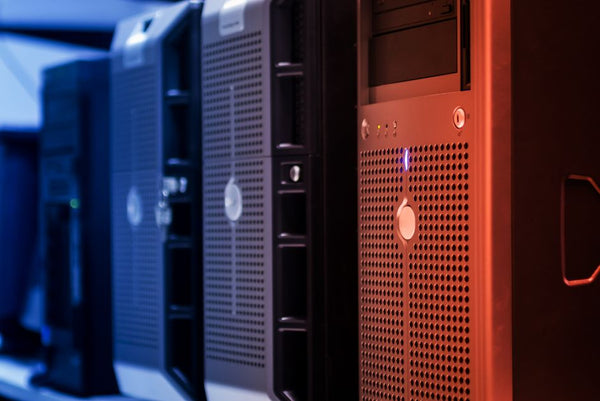
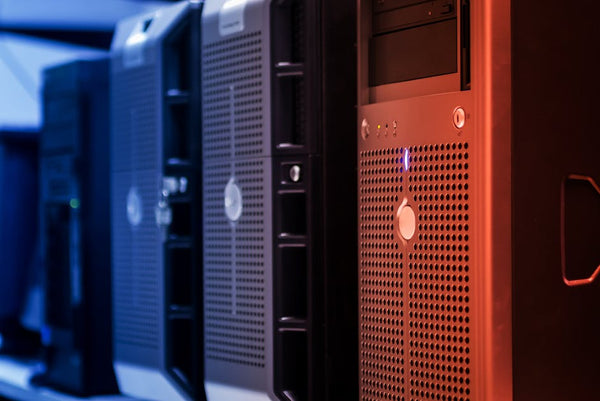
The processing power required for Woven City makes high-end gaming PCs look like calculators. They're running real-time AI inference on thousands of simultaneous data streams. The network infrastructure alone probably costs more than most gaming companies' entire R&D budgets.
What's wild is how this connects to gaming technology. The same low-latency networking that makes competitive gaming possible is what keeps Woven City from falling apart. When an autonomous vehicle needs to react to a pedestrian, it can't have the equivalent of packet loss.
The OEM Desperation Factor
Let's be real about why Toyota built this thing. They're scared. Tesla showed everyone that cars are becoming computers on wheels, and traditional automakers got caught sleeping. Toyota looked around and realized they were still thinking like a car company when they needed to become a tech company.
Woven City isn't just about testing smart cars—it's about proving Toyota can hang with Silicon Valley. They're trying to speedrun their transformation from making reliable Camrys to being the company that powers smart cities.
The desperation shows in the price tag. $10 billion is serious money, even for Toyota. That's enough to build your custom gaming PC with BitCrate for literally every gamer on Earth and still have billions left over.
What's Actually Working
Despite the creepy surveillance vibes, some genuinely cool stuff is happening. The autonomous delivery robots actually work reliably. The smart grid responds to energy demand in real-time without the usual grid lag that causes brownouts.
The most impressive part? The city's AI can predict and prevent infrastructure failures before they happen. Imagine if your gaming PC could self-diagnose and fix performance issues before you even noticed them. That's basically what Woven City does for everything from water pipes to traffic flow.
Residents report that daily life feels surprisingly normal, despite living in what's essentially a tech demo. The systems work well enough that you forget you're being monitored constantly. Which is either reassuring or deeply unsettling, depending on your perspective.
The Real Question Nobody's Asking
Here's what bugs me about all the tech news coverage: everyone focuses on the cool gadgets and the privacy concerns, but nobody talks about scalability. Can this actually work outside of a controlled environment with handpicked residents?
Woven City works because everyone living there bought into the experiment. They're tech-savvy, cooperative, and probably more patient with beta software than your average person. What happens when you deploy these systems in a real city where people just want their stuff to work?
I've seen enough gaming launches to know that what works in closed beta often crashes and burns in the real world. The difference is that when a game has server issues, you just play something else. When your smart city infrastructure fails, people can't get to work.
The Gaming Connection You Haven't Considered
The edge computing architecture powering Woven City is basically what cloud gaming has been trying to achieve. Ultra-low latency processing of real-time inputs with immediate responses. Toyota solved it by throwing money at the problem and building their own closed network.
This makes me wonder: could gaming companies learn from Toyota's approach? Instead of trying to stream games over the public internet, what if someone built gaming-specific cities with dedicated infrastructure? Sounds crazy until you remember how much some people spend on gaming setups.
Where This Actually Leads
Toyota isn't keeping Woven City to themselves. They're licensing the technology to other cities and companies. Smart city infrastructure is about to become a product category, and Toyota wants to be the Microsoft Windows of urban planning.
The really wild part? This could work. Cities around the world are desperate for better infrastructure, and most municipal IT departments couldn't deploy a gaming laptop properly, let alone run a smart city. Toyota's offering a turnkey solution.
But at what cost? We're talking about outsourcing urban planning to a car company that thinks collecting biometric data from residents is totally normal. That's not just a privacy concern—it's a fundamental shift in how cities work.
Tbh, I'm torn on this one. The technology is genuinely impressive, and cities need better infrastructure. But the surveillance implications make my skin crawl. It's like being offered the ultimate gaming PC that also records everything you do and sends it to some corporation.
The future of tech isn't just about better graphics cards or faster SSDs. It's about companies like Toyota building entire cities to prove they can compete with Big Tech. Whether that's innovation or dystopia probably depends on how much you value privacy versus convenience. And honestly? Most people are about to find out which matters more to them.























Leave a Comment