


GoPro's Mission Cameras: Tech News That'll Make Your Wallet Cry
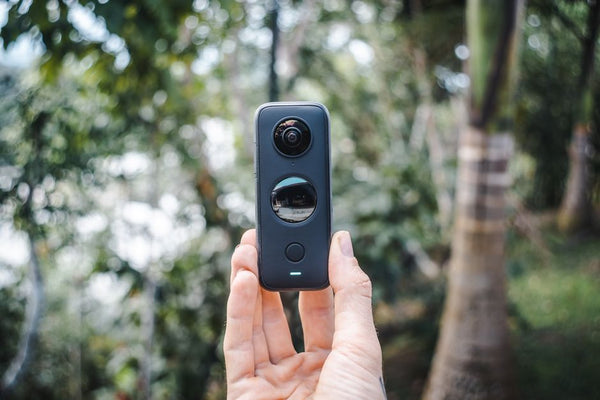
So GoPro just dropped their new Mission family cameras, and honestly? I'm scratching my head wondering who exactly they think is buying these things. The Mission 1 starts at $599.99, while the Mission 1 Pro will set you back $699.99. Sure, there's a $100 discount if you subscribe to their ecosystem, but we're still talking about serious cash for what used to be the everyman's action camera.
Remember when GoPros were the scrappy underdogs of action cameras? When a weekend snowboarder could grab one without selling a kidney? Those days feel pretty distant right now.
Who's This Gaming Technology Really For?
Look, I get it. Professional filmmakers need pro-level gear. They're making money with these cameras, so dropping $600-700 isn't going to break the bank if it's paying for itself. But here's the thing that bugs me: GoPro built their brand on weekend athletes. The surfers, hikers, and mountain bikers who wanted to capture their adventures without needing a film degree.
Working at our tech shop here in Orange, TX, I've seen this shift firsthand. Customers who used to come in excited about GoPro's latest releases now ask about budget alternatives. Can you blame them? When you're just trying to record your kid's soccer game or that fishing trip you've been planning for months, spending almost $700 feels insane.
The Real Cost of "Ecosystem" Pricing
That $100 discount for subscribing to GoPro's ecosystem? It's basically a subscription tax in reverse. You either pay full price upfront or commit to ongoing payments for cloud storage and editing software you might not even want. It's like those old GameStop trade-in deals – looks good on paper until you realize what you're actually getting.
Personally, I think this pricing strategy is going to backfire hard. When DJI's Action cameras offer similar quality for $200-300 less, and smartphone cameras keep getting better, GoPro's betting everything on brand loyalty. But brand loyalty only goes so far when you're asking people to spend rent money on a camera.
What This Gaming Technology Shift Means for Regular Users
Here's where things get interesting though. Maybe GoPro isn't targeting weekend warriors anymore. Maybe they've decided the mass market is too crowded, too price-sensitive, and they'd rather own the premium space. It's a bold strategy – kind of like when Apple decided to stop making cheap computers and focus on premium hardware instead.
But Apple had something GoPro doesn't: a complete ecosystem that people actually wanted to stay locked into. iPhones, iPads, Macs – they all work better together. GoPro's ecosystem is... cloud storage and editing software? That's not exactly compelling enough to justify this pricing jump.
The Weekend Athlete Dilemma
So what's a weekend athlete supposed to do? Drop $600+ on a Mission camera or look elsewhere? I've been recommending alternatives more often lately, and it feels weird. GoPro used to be the obvious answer for action cameras. Now? It depends on your budget.
The Mission cameras do look impressive from a specs standpoint. Better stabilization, improved low-light performance, and that modular design could be genuinely useful for professionals. But for someone who wants to record their mountain bike rides or capture vacation memories? There are cheaper options that'll do the job just fine.
"When you're asking people to spend almost $700 on a camera they'll use a few times a year, you better have some seriously compelling features."
The Bigger Picture for Action Camera Tech News
This pricing move tells us something important about where the action camera market is headed. The days of cheap, accessible action cameras from major brands might be over. Companies are either going premium (like GoPro) or racing to the bottom with budget options that compromise on quality.
Hot take: this might actually be good for innovation in the long run. When I help customers build custom gaming PCs, we always talk about how competition drives better products. If GoPro's focusing on premium features while Chinese manufacturers handle the budget market, we might see more specialized, purpose-built cameras emerge.
But that doesn't help the weekend athlete who just wants a reliable camera that won't break the bank. They're stuck in the middle – too demanding for the ultra-cheap options but not willing to pay premium prices for features they don't need.
Where Do We Go From Here?
The weird part is that GoPro's timing feels off. With economic uncertainty and people being more careful with discretionary spending, launching expensive cameras seems risky. Maybe they know something we don't, or maybe they're betting that their core professional market will sustain them while casual users drift away.
Either way, it's a fascinating gamble to watch. Will professional content creators embrace the Mission family enough to justify alienating weekend warriors? Or will this pricing strategy push casual users toward alternatives permanently?
I'm genuinely curious to see how this plays out. GoPro's made bold moves before – remember when they tried to become a media company? That didn't work out so well. This feels like another pivot, but toward exclusivity rather than expansion. Whether it works depends on how much professional filmmakers value the GoPro brand over equally capable alternatives.
For now, if you're a weekend athlete looking at these prices, maybe it's time to consider what you actually need from an action camera. Because $600-700 buys a lot of other gear that might improve your adventures more than slightly better video quality.











































Leave a Comment