


The SpaceX IPO: A Trillion-Dollar Gamble That Could Change Gaming Forever
SpaceX is going public. Finally. After years of Elon teasing retail investors like they're waiting for Half-Life 3, we're getting our shot at owning a piece of the rocket company that's literally shooting for Mars. This isn't just any IPO though – we're talking about potentially the biggest public offering in history, with valuations that make even Apple sweat.
But here's the thing nobody's talking about: this IPO isn't just about space tourism for billionaires. It's about fundamentally reshaping how we think about connectivity, latency, and yes – gaming performance on a global scale.
Why SpaceX IPO Tech News Matters for Gamers
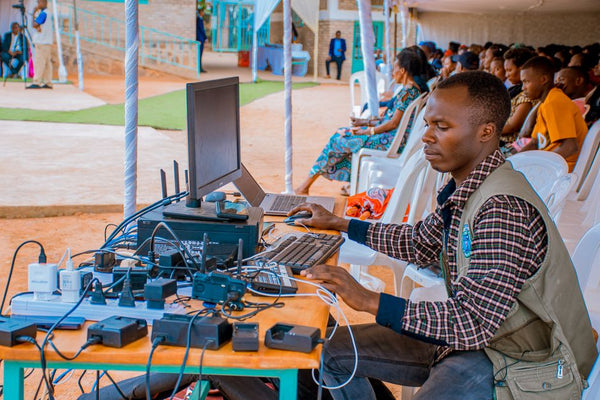
Starlink already changed the game for rural gamers. I've seen it firsthand – customers rolling into our shop here in Orange, TX talking about how they finally ditched their garbage satellite internet for something that doesn't feel like playing through molasses. We're talking sub-50ms latency in areas where people used to accept 600ms as "normal."
That's wild.
But an IPO means serious capital injection. We're looking at $15-20 billion raised potentially, money that goes straight into expanding the constellation, improving ground stations, and most importantly – pushing latency even lower. Personally, I think we're going to see Starlink hit sub-20ms globally within three years of going public.
The Numbers Don't Lie
Current Starlink performance sits around 20-40ms in most areas. That's already competitive with fiber for gaming. But SpaceX has been testing inter-satellite laser links that could theoretically beat terrestrial fiber on long-distance connections. Why? Light travels faster through vacuum than through glass.
Think about it – a Counter-Strike match between New York and London could actually have lower latency going through space than through undersea cables. That's not science fiction anymore, that's next year's reality with enough funding.
Gaming Technology Revolution From Above
Here's where it gets spicy. Cloud gaming has been a joke for years because of latency and data caps. GeForce Now, Xbox Cloud Gaming, PlayStation Now – they're all held back by the fundamental limits of terrestrial internet infrastructure.
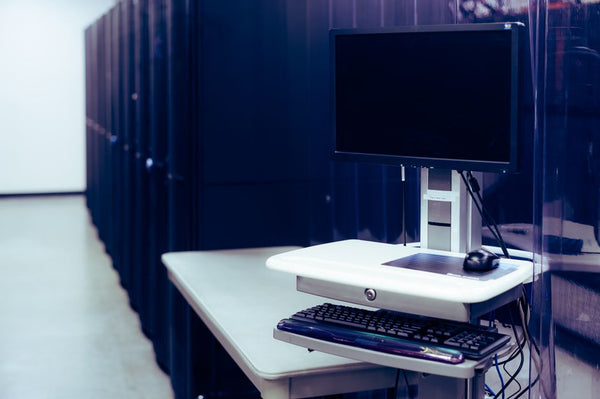
But what happens when you've got unlimited data, 15ms latency, and global coverage? Suddenly those Xbox Series X specs become available anywhere on the planet. Your gaming rig doesn't need to be in your bedroom anymore – it can be in a data center thousands of miles away and still feel local.
Hot take: SpaceX going public is going to accelerate cloud gaming adoption faster than any console generation ever could. We're talking about democratizing high-end gaming performance globally.
The Trillion-Dollar Question
Current valuations put SpaceX around $350 billion. Post-IPO? Sky's literally not the limit. Analysts are throwing around numbers that make Bitcoin look stable. Some are suggesting SpaceX could hit $1 trillion within five years.
Is that realistic? Maybe. Consider this: Starlink alone could generate $100+ billion annually once fully deployed. Add in Falcon Heavy launches, Mars missions, and whatever insane project Elon announces next Tuesday on Twitter, and suddenly those numbers don't look so crazy.
"We're not just building rockets, we're building the infrastructure for a multi-planetary civilization" - Elon Musk, probably next week
The Gaming Hardware Implications
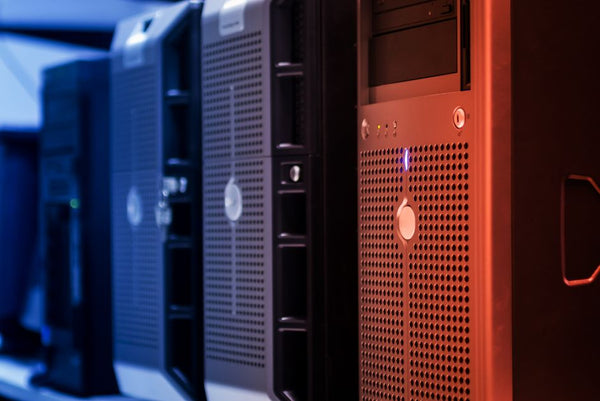
This is where things get interesting for hardware enthusiasts. If cloud gaming actually becomes viable – and I mean truly viable, not the laggy mess it is today – what happens to the GPU market?
Nvidia and AMD are already pivoting hard toward data center cards. RTX 4090s might become the last generation of consumer cards that regular people actually need to buy. When you can stream RTX 5090 Ti performance over Starlink with 15ms latency, why would you spend $2000 on hardware that's obsolete in two years?
Honestly, this keeps me up at night. Not because I'm worried about the future of gaming, but because I'm excited about it. Imagine helping someone build their custom gaming PC and telling them it could power gaming sessions for people on Mars in ten years.
The Latency Wars
Every competitive gamer knows latency is everything. 1ms can mean the difference between clutching a 1v5 or getting sent back to the lobby. Current internet infrastructure wasn't built for gaming – it was built for loading web pages and streaming Netflix.
SpaceX is building their network from scratch with gaming-level latency requirements. They're not retrofitting old copper lines or dealing with legacy infrastructure. Every satellite, every ground station, every routing decision is optimized for speed.
That's a massive competitive advantage that traditional ISPs can't match. Comcast can upgrade their cables all they want – they're still bound by physics and decades of infrastructure decisions that prioritized cost over performance.
The Risk Factor Nobody Mentions
Here's some real talk though – this IPO isn't guaranteed money. Space is hard. Really hard. One Falcon Heavy explosion could wipe out billions in market cap overnight. Regulatory battles with the FCC could slow Starlink deployment for years.
And let's be honest about Elon. Dude's a genius, but he's also prone to Twitter meltdowns and overpromising timelines. Remember when Full Self Driving was coming "next year" every year since 2014? Mars colonies by 2024? Tesla Roadster by 2020?
The gaming technology implications are real, but they're also dependent on execution. SpaceX has a better track record than Tesla on delivery, but space is an unforgiving environment where small mistakes become very expensive very quickly.
What This Means for Tech Enthusiasts
If you're thinking about investing, do your homework. This isn't a meme stock – it's a bet on fundamental changes to how humans access information and computing power. The gaming applications are just the tip of the iceberg.
But if you're thinking about your next gaming setup, maybe hold off on that RTX 5080. The landscape might look very different in 18 months when SpaceX has public company resources backing their expansion plans.
We're potentially looking at the biggest shift in gaming infrastructure since broadband internet. Whether SpaceX can execute on their trillion-dollar vision remains to be seen, but one thing's certain – the next decade of gaming is going to look nothing like the last decade.
The only question is whether you're ready to bet your portfolio on Martian gaming sessions becoming reality. NGL, I'm tempted to throw some money at this rocket ship and see where it lands.

































Leave a Comment