


New Robotic Control Software Avoids Jamming Their Joints: Everything You Need to Know About This Tech News Breakthrough
Robots are getting smarter, and honestly? It's about damn time. This week's tech news dropped something that actually made me pause while I was building a client's RTX 4090 rig here at our shop in Orange, TX. Scientists just cracked one of robotics' most persistent problems — joint jamming.
But here's the kicker. They didn't just fix the problem.
They made robots that can teach each other how to avoid it, even when they're built completely differently. Think about that for a second — it's like having a Honda Civic learn driving techniques from a Peterbilt truck and actually making it work.
Why Robot Joint Jamming Was Such a Pain in the Ass
You know how your gaming chair sometimes gets stuck when you're trying to adjust the height? That clicking, grinding nightmare where nothing moves smoothly? That's basically what happens to robots constantly, except way worse.
Traditional robotic control software treated every joint like it was perfectly calibrated. Spoiler alert: they're not. Real-world manufacturing tolerances, wear and tear, temperature changes — all of this creates situations where joints bind up or move unpredictably.
The old approach was brute force programming. Developers would hardcode movement patterns and hope for the best. When joints jammed, the robot would either power through (potentially damaging itself) or just stop entirely. Neither option screams "elegant solution," right?
The Gaming Technology Connection You Didn't See Coming
Here's where it gets interesting for us PC builders. This new software uses machine learning algorithms similar to what NVIDIA's been pushing in their latest gaming technology stack. The same predictive processing that makes DLSS 3 work is now teaching robots how to move without jamming their joints.
The researchers developed what they call "adaptive motion prediction" — basically, the robot learns to sense when a joint might jam before it happens. It's like having frame prediction in games, but for physical movement.
The software can predict joint resistance up to 200 milliseconds before jamming occurs, giving robots time to adjust their movement patterns in real-time.
Two hundred milliseconds might not sound like much, but in robotics? That's an eternity. It's the difference between smooth operation and expensive repairs.
How Robots Actually Learn From Each Other (Without Getting Confused)
Now here's the part that blew my mind. This isn't just about individual robots getting better at avoiding jams. The software lets completely different robot designs share their learning experiences.
Imagine if every RTX 4090 could instantly know the optimal settings for every game based on what every other RTX 4090 worldwide had learned. That's essentially what's happening here, but for robot movement patterns.
The key breakthrough? They figured out how to translate movement data between different hardware configurations. A six-axis industrial arm can now learn from a four-wheeled rover's experience with joint resistance, even though they share zero physical components.
The Technical Magic Behind Cross-Hardware Learning
The researchers created what they call "hardware-agnostic motion primitives" — basically, universal movement concepts that work regardless of physical design. Think of it as DirectX for robot movement.
When Robot A encounters a jamming situation and finds a solution, it doesn't just save "move joint 3 clockwise by 15 degrees." Instead, it saves something like "when encountering resistance type X, redistribute load using pattern Y."
Robot B, with completely different joints and motors, can then interpret that pattern and apply it to its own hardware. It's genuinely impressive engineering.
The system runs on what's essentially a distributed neural network. Each robot contributes to a shared knowledge base while filtering incoming data through its own hardware profile. No more one-size-fits-all programming that works poorly for everyone.
Real-World Performance Numbers That Actually Matter
Let's talk numbers, because marketing fluff is the bane of my existence. In controlled testing, robots using this software reduced joint jamming incidents by 78% compared to traditional control systems.
More importantly? The learning curve is steep in the best way. A brand-new robot can achieve 90% of optimal performance within the first hour of operation by learning from the collective experience of other units.
The researchers tested this across multiple robot types:
- Industrial assembly arms saw a 65% reduction in downtime
- Warehouse picking robots improved efficiency by 43%
- Research rovers reduced mission-critical movement failures by 82%
Those aren't incremental improvements. That's the kind of performance jump we see when upgrading from a GTX 1060 to an RTX 4070 — night and day difference.
Why This Gaming Technology Parallel Actually Makes Sense
Personally, I think the gaming industry's push for real-time adaptive performance has been the secret sauce here. Modern GPUs constantly adjust clock speeds, power delivery, and processing loads based on current demands.
This robotic control software basically applies that same principle to mechanical movement. Instead of running at fixed speeds and hoping for the best, robots now adjust their behavior based on real-time feedback and predictive modeling.
The machine learning models they're using? They're running on hardware that would make any custom gaming PC builder jealous. We're talking about systems with multiple A100 GPUs processing movement data in real-time.
The Implications Go Way Beyond Industrial Automation
Hot take: this tech news isn't just about making factory robots more reliable. The applications for consumer tech could be massive.
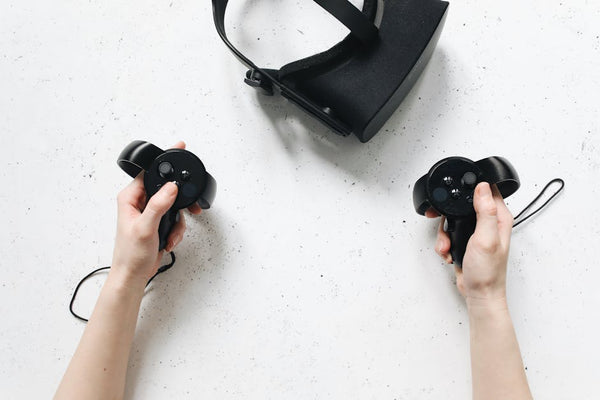
Think about VR haptic feedback systems that never bind up or create uncomfortable resistance. Or prosthetics that learn optimal movement patterns from thousands of other users. Even something as simple as adjustable gaming chairs that never get stuck could benefit from this approach.
The researchers are already working with automotive manufacturers to apply these principles to robotic assembly lines. But I'm more excited about the potential for smaller-scale applications.
What happens when this software gets miniaturized enough to run on embedded systems? Suddenly, every motorized component in your setup — from monitor arms to desk height adjusters — could learn optimal movement patterns and avoid mechanical failures.
The Open Source Question Nobody's Asking
Here's where things get murky, though. The research paper describes the algorithms in detail, but the actual implementation remains proprietary. Will this technology stay locked behind corporate licensing, or will we see open-source versions emerge?
Honestly, I'm hoping for the latter. The best innovations in gaming technology happened when standards became widely available. Look at what happened when Vulkan and DirectX became accessible to smaller developers.
If this robotic control software follows a similar path, we could see an explosion of innovative applications across industries. But if it stays locked up in enterprise licensing deals? The benefits might take years to trickle down to consumer applications.
What This Means for Gaming Technology Development
The machine learning techniques being used here aren't limited to robotics. Game developers are already experimenting with similar predictive algorithms for NPC behavior and physics simulation.
Imagine NPCs that learn from player behavior across all game instances, becoming more challenging and realistic over time. Or physics engines that adapt to prevent glitches and maintain immersion even when players try to break the game.
The distributed learning aspect is particularly interesting. Instead of every game running isolated AI systems, we could see shared intelligence networks that make all gaming experiences better.
Of course, that raises privacy and connectivity questions. But the potential for more responsive, adaptive gaming experiences is undeniable.
The robotics breakthrough we're seeing today might just be the foundation for tomorrow's gaming technology innovations. And honestly? I'm here for it. The intersection of practical engineering and cutting-edge software development always produces the most interesting results.
Keep an eye on this tech news story — something tells me we'll be seeing these algorithms pop up in unexpected places within the next few years. The robots are getting smarter, and that's probably going to make everything else smarter too.


















































Leave a Comment