


System Upgrade - Just the GPU or More? When to Go All-In vs. Targeted Upgrades
Your GPU is showing its age like a first-edition Charizard with whitening edges. The question isn't whether you need an upgrade — it's whether you should just swap the graphics card or rebuild the whole system. Trust me, I've been there. Back in 2020, I bought my last pre-built rig because GPU prices were absolutely busted from crypto mining. Sound familiar?
Here's the thing about PC upgrades: they're exactly like trading card game economics. You wouldn't drop $200 on a single meta card if your entire deck foundation is from three formats ago, right? Same logic applies to your system.
The GPU-First Approach: When It Actually Works
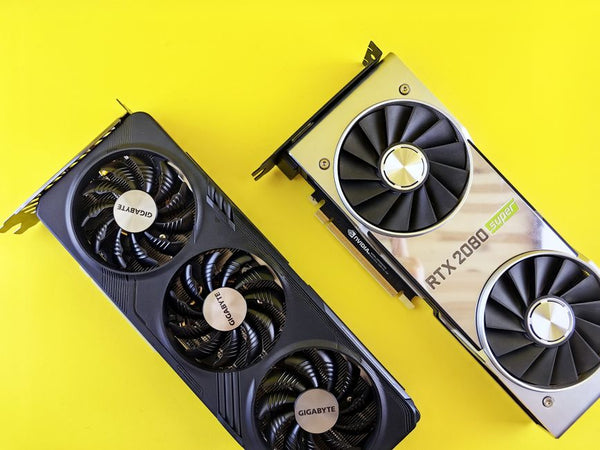
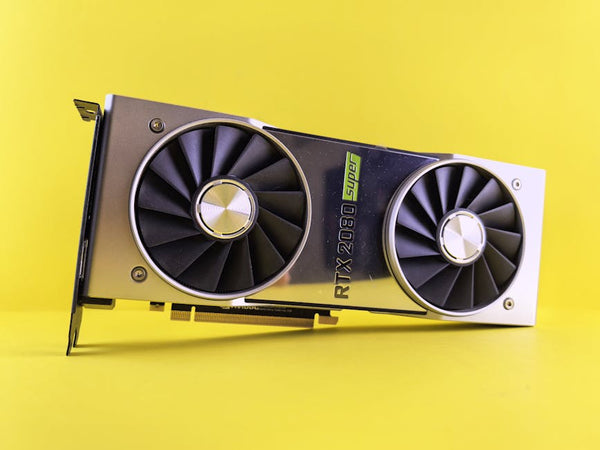
Sometimes a GPU upgrade is like pulling that perfect topdeck. Your system hums along beautifully, then BAM — instant performance boost. But this strategy only works when your foundation is solid.
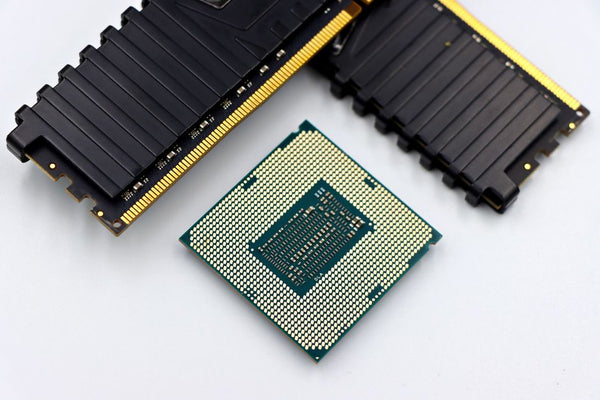
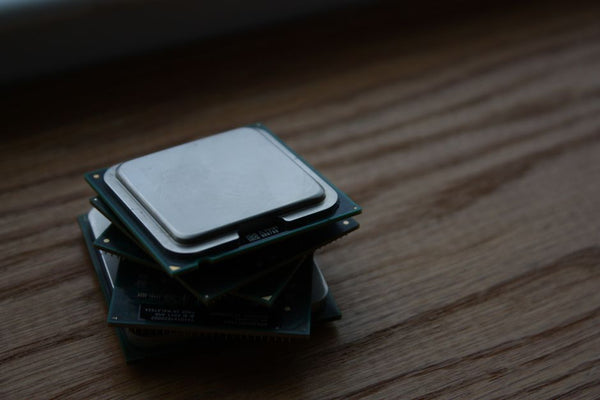
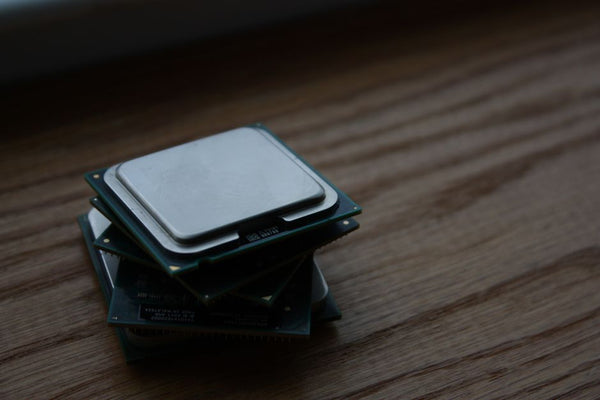
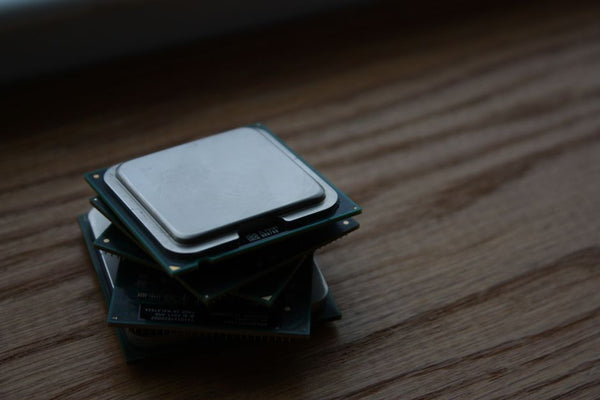
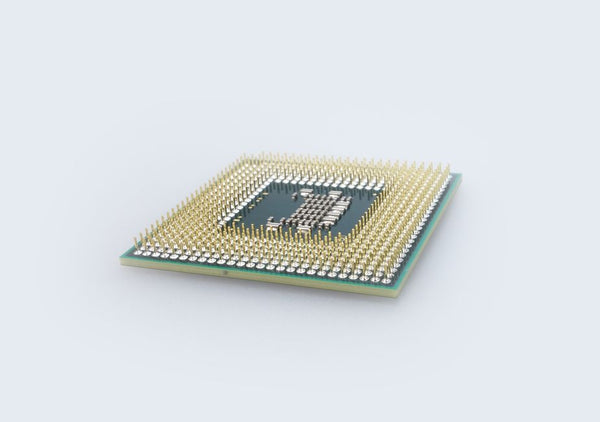
Your CPU matters more than most people realize. If you're running something older than a Ryzen 5 3600 or Intel i5-10400, you're looking at potential bottlenecks with modern GPUs. I've seen too many folks drop an RTX 4070 into a system with an FX-8350 and wonder why their frame rates aren't matching the YouTube benchmarks. It's like trying to play competitive Pokemon with a deck full of energy cards and no attackers.
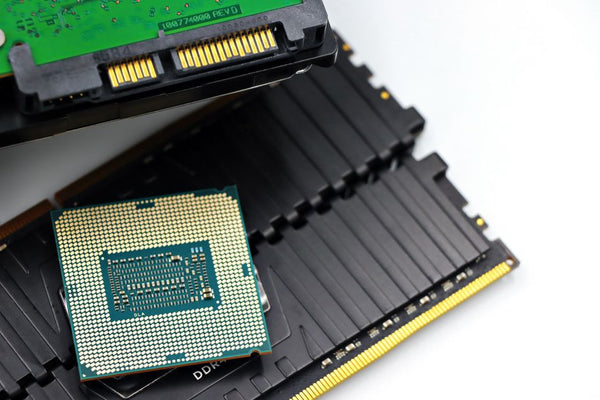
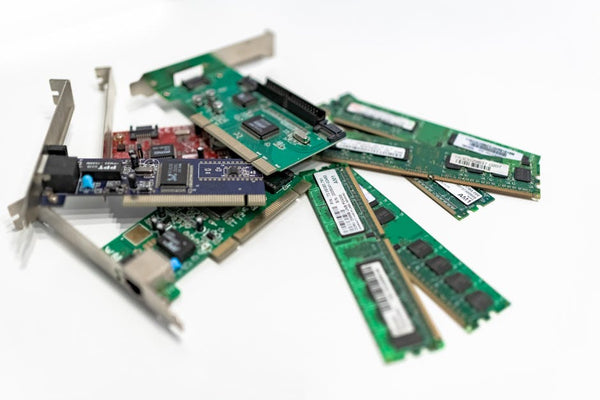
RAM is another sneaky bottleneck. 16GB is the new minimum for gaming, and if you're still rocking 8GB of DDR4-2400? Your shiny new GPU isn't going to fix stuttering in modern titles. The good news is RAM prices have been pretty reasonable lately — unlike the dark days of 2017-2018 when a simple memory upgrade cost more than some GPUs today.
When GPU-Only Makes Perfect Sense
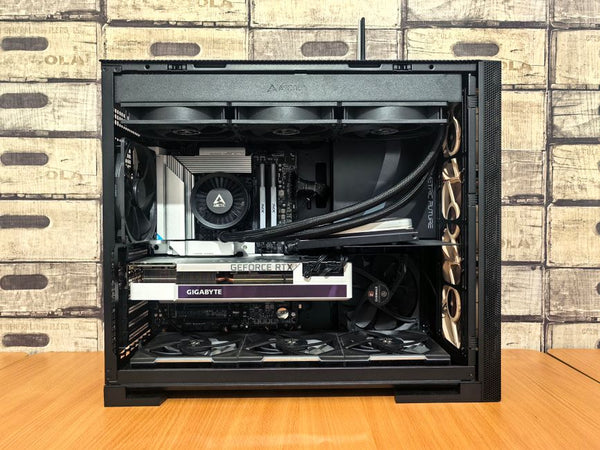
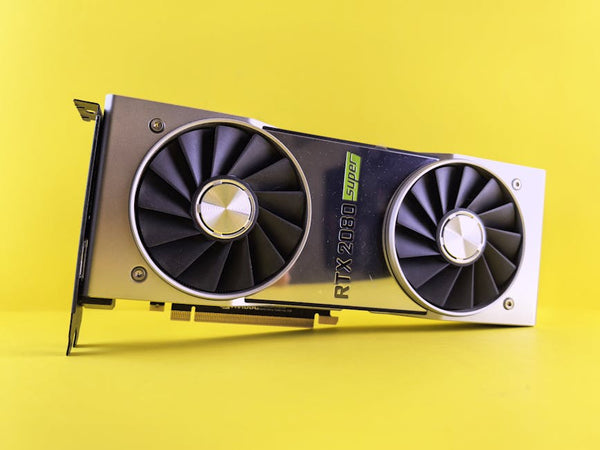
Your system was built in the last 3-4 years with decent specs but maybe a budget GPU? Perfect candidate. Got a Ryzen 5 5600X with 16GB of DDR4-3200 but you're still gaming on a GTX 1660 Super? That's an easy call — shop GPUs at TieredUp Tech and you'll see immediate gains without touching anything else.
Power supply compatibility is crucial though. That RTX 4060 might only need 115W, but stepping up to an RTX 4070 Super pushes you to 220W. Add in your CPU, motherboard, drives, and fans, and suddenly your 500W PSU isn't cutting it anymore.
The Full System Overhaul: When to Bite the Bullet
Sometimes your system is like trying to make a vintage deck competitive in today's meta. Sure, those old cards have charm, but you're fighting an uphill battle.
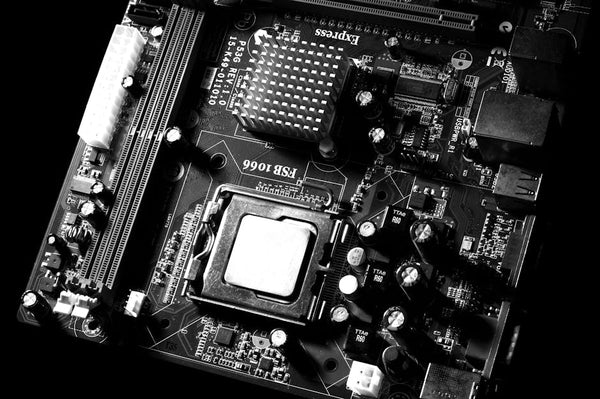
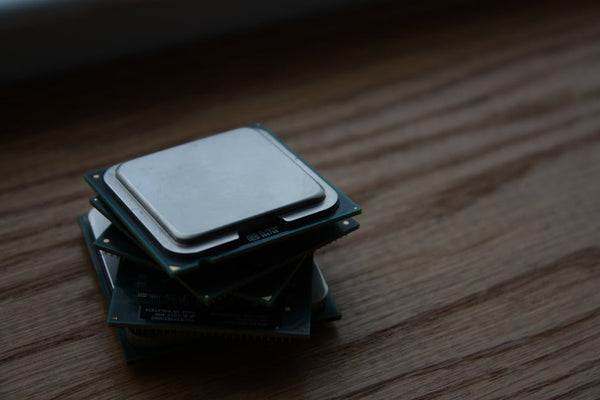
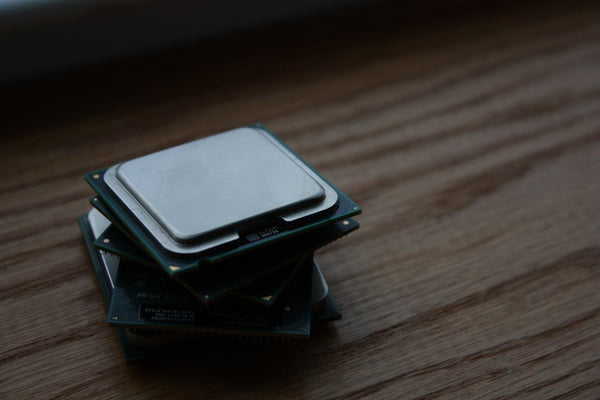
Personally, I think if your CPU is more than five generations old, or you're dealing with DDR3 RAM, it's time for a complete rebuild. Why? Because you'll spend almost as much money on incremental upgrades as you would on a fresh start, and you'll still have compatibility headaches.
Here's a real example from helping customers at our Orange, TX location: someone wanted to upgrade from a GTX 1050 Ti to an RTX 4060. Sounds simple, right? But their system was running an i5-7400 on a B250 motherboard with 8GB of DDR4-2133. We could've sold them just the GPU, but honestly? That would've been doing them dirty. The CPU would've held back the new card, the RAM wasn't enough for modern games, and the motherboard didn't support faster memory speeds anyway.
The Platform Upgrade Sweet Spot
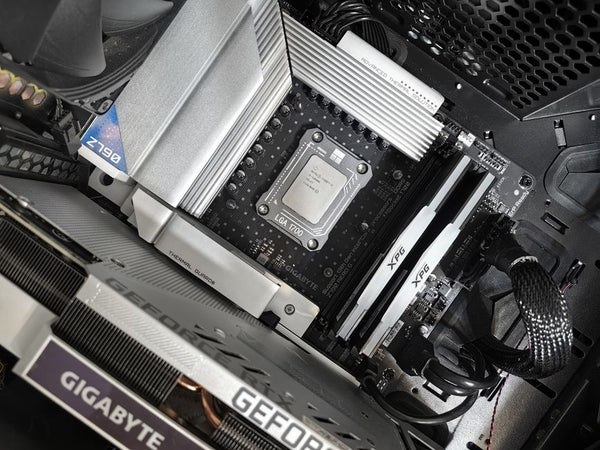
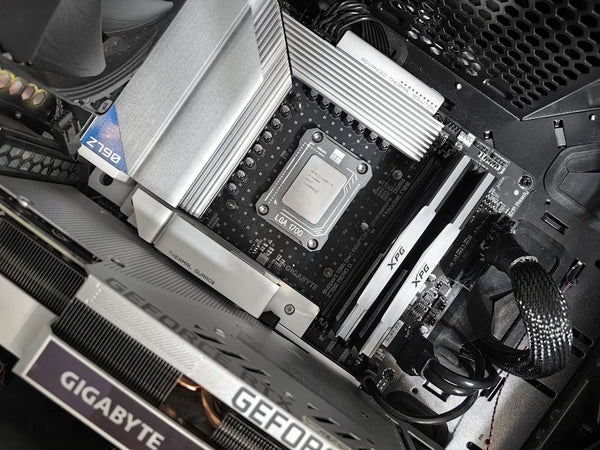
Hot take: AMD's AM4 platform is still incredibly viable for gaming. A Ryzen 5 5600X or 5700X on a decent B450 or X470 board with fast DDR4 will handle any GPU you throw at it. Intel's 12th and 13th gen chips are solid too, but you're looking at DDR5 and new motherboards — more expensive but future-proof.
The math gets interesting when you start pricing things out. A mid-range GPU upgrade might run $400-600. But if you need a new PSU ($100), more RAM ($80), and your motherboard doesn't support the latest CPU gen anyway, suddenly you're at $700+ for a half-measure solution.
The 2020 Pre-Built Dilemma
You mentioned buying a pre-built in 2020 because of crazy GPU prices. Smart move tbh — during the mining craze, pre-builts were genuinely cheaper than DIY builds. But here's the catch with most pre-built systems from that era: they often cut corners on PSUs and motherboards.
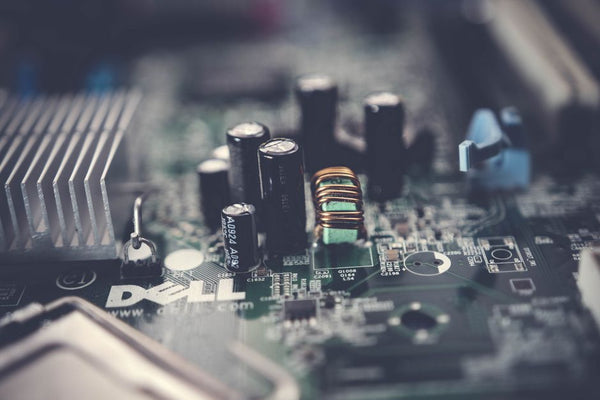
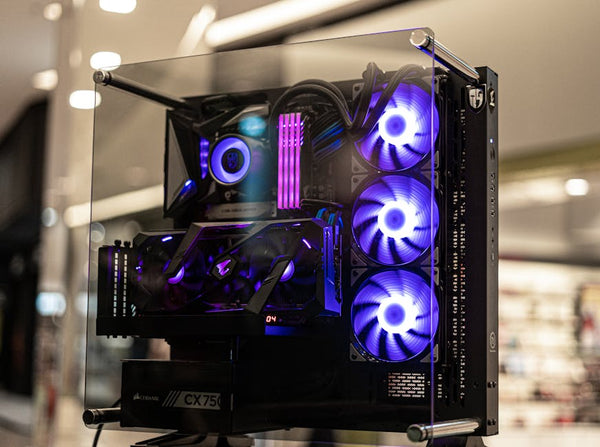
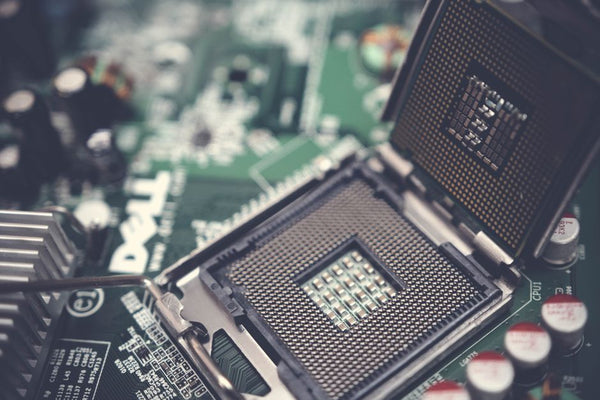
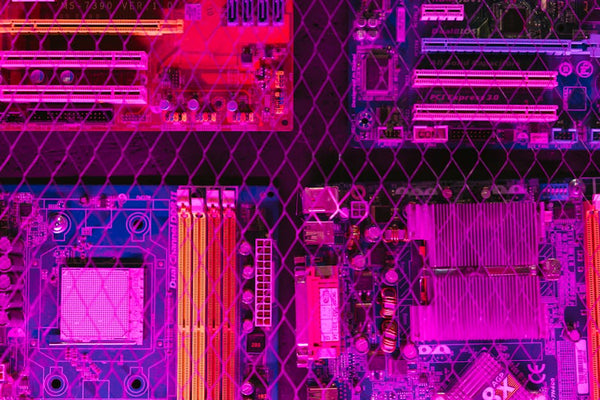
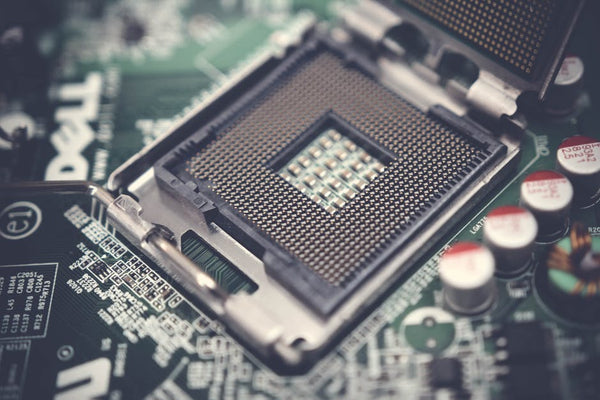
Those Alienware, HP, and Dell systems typically came with proprietary motherboards and bare-minimum power supplies. Great for getting you gaming immediately, but they create upgrade headaches later. Is your PSU 80+ Bronze rated or some generic unit? Does your motherboard support CPU upgrades within the same socket?
Check what you're actually working with first. CPU-Z will tell you everything about your current setup. If you've got decent bones — like a Ryzen 5 3600 with a standard ATX motherboard and 650W power supply — then yeah, a GPU upgrade makes total sense.
The Pragmatic Middle Ground
Sometimes the best approach isn't all-or-nothing. Maybe you upgrade the GPU now and plan a platform refresh in 12-18 months. Your current CPU might bottleneck slightly, but if it gets you gaming at higher settings while you save for the rest, that's a valid strategy.
I'm honestly torn on this approach sometimes. On one hand, it lets you spread costs out and enjoy immediate improvements. On the other hand, you might end up spending more money long-term than if you'd just saved up for a complete overhaul.
Making the Call: Your 2024 Decision Matrix
Start with your current specs and be brutally honest about performance. Are you getting acceptable frame rates at 1080p but want to push 1440p? GPU upgrade might be enough. Struggling to hit 60fps at 1080p in modern games? Your problems probably run deeper than just the graphics card.
Budget reality check time. A decent GPU upgrade runs $400-800 depending on your target performance. A full system refresh starts around $800-1200 for meaningful improvements. Factor in your current system's resale value — even a 2020 pre-built probably has some trade-in worth.
Don't forget about your monitor situation either. Rocking a 1080p 60Hz display? Even a mid-range GPU upgrade will give you years of solid performance. But if you've got a 1440p 144Hz monitor or you're eyeing one, your CPU and RAM become much more important for hitting those higher refresh rates consistently.
The GPU market in 2024 is actually pretty solid compared to the chaos of 2020-2022. Reasonable pricing, good performance tiers, and actual availability. Whether you go GPU-only or full system depends on what you're building from — but either way, you've got way better options now than during those mining-influenced dark ages.











Leave a Comment