


Chinese GPU Makers Are Coming for Nvidia's Gaming PC Build Dominance
Cambricon just dropped Q1 numbers that had me doing a double-take. $423 million in revenue? For a Chinese chipmaker most gamers haven't even heard of? That's not just growth — that's a straight-up statement to Jensen and the Nvidia crew.
We're watching something massive unfold here. Chinese chipmakers aren't just playing catch-up anymore; they're actively stealing market share from Team Green. And honestly, this could reshape the entire gaming PC build landscape way faster than anyone expected.
The Numbers Don't Lie About This Gaming PC Revolution
Let's break this down. Cambricon's revenue jump isn't some fluke or government subsidy padding. This is real demand from real customers who are choosing Chinese silicon over established players. That's wild when you consider where these companies were just five years ago.
The timing couldn't be more interesting either. US export restrictions have basically forced China to build their own GPU ecosystem from scratch. What looked like a massive disadvantage is turning into their competitive edge. No more waiting for Nvidia's latest architecture or dealing with supply chain politics.
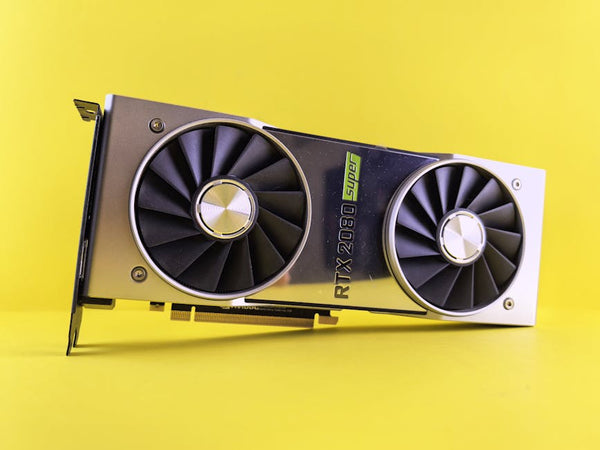
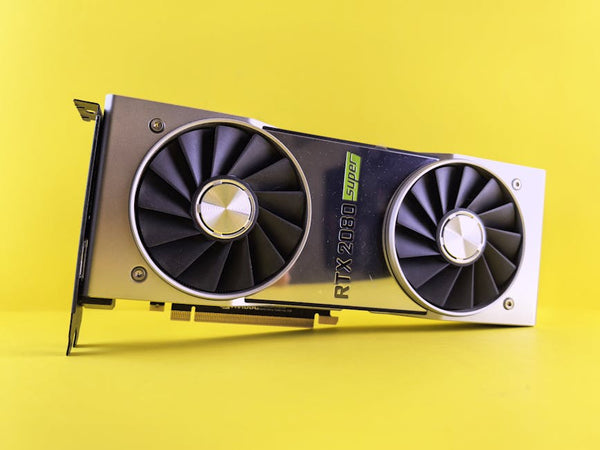
But here's where it gets spicy for us gamers. These aren't just AI-focused chips anymore. Chinese manufacturers are eyeing the consumer GPU market hard. The question isn't if they'll challenge RTX 4080 performance — it's when.
Why This Matters for Your Next Custom Gaming PC
Personally, I think we're about to see the GPU market get way more competitive. Competition breeds innovation. Look what AMD did to Intel with Ryzen, or how Intel's Arc cards (despite being mid) still pushed Nvidia to be more aggressive with pricing.
Working at our shop here in Orange, TX, I see customers every day frustrated with GPU prices. A $1,200 RTX 4080 for solid 4K gaming? That's rent money for most people. If Chinese chipmakers can deliver 80% of that performance for 60% of the price, gamers will notice.
The real game-changer could be in the mid-range space. RTX 4060 Ti performance for RTX 4060 prices? Sign me up. That's where most of us actually buy anyway. Who's really dropping two grand on an RTX 4090 unless they're streaming or mining crypto on the side?
The Latency Question Nobody's Asking
Here's what keeps me up at night though. Frame latency. Input lag. All those micro-optimizations that make the difference between hitting that flick shot in Valorant or whiffing completely. Nvidia's had decades to fine-tune their drivers for gaming workloads.
Can Chinese GPUs match that? The raw compute power might be there, but gaming isn't just about TFLOPS. It's about consistent frame times, minimal input lag, and drivers that don't crash mid-ranked match. That stuff takes years to perfect.
I've seen promising benchmarks from some Chinese cards in productivity tasks, but synthetic benchmarks don't mean jack when you're trying to maintain 240fps in CS2. Real-world gaming performance is a whole different beast.
The Nvidia Monopoly Problem
Hot take: Nvidia's dominance has made them lazy in some areas. DLSS is incredible, but have you seen their driver bloat lately? GeForce Experience is basically malware at this point. RTX 4060 with 8GB VRAM in 2024? That's insulting.
Competition could fix this fast. Remember when AMD's RX 6800 XT was trading blows with the RTX 3080 for less money? Suddenly Nvidia got real generous with their pricing and performance tiers.
Chinese GPU makers don't have legacy baggage. They're building from scratch with modern architectures and fresh perspectives. No shareholders demanding quarterly growth at the expense of innovation.
What About Software Ecosystem?
This is where things get murky. Nvidia's software stack is absolutely stacked. CUDA, RTX Voice, Broadcast, NVENC streaming. Chinese cards might match raw performance, but can they replace this ecosystem?
For pure gaming, maybe it doesn't matter. Most games use DirectX or Vulkan anyway. But content creation? Streaming? That's where Nvidia's software advantage really shows. Shop GPUs at TieredUp Tech and you'll see how important these features are to customers building creator-focused rigs.
Then again, if Chinese manufacturers can nail the basics — solid drivers, consistent performance, competitive pricing — that might be enough for mainstream adoption. Not everyone needs RTX Voice or fancy ray-tracing effects.
The Geopolitical Gaming Angle
Let's address the elephant in the room. Politics. Some gamers won't touch Chinese hardware regardless of performance or price. Others don't care where their GPU comes from as long as it pushes frames.
But here's the reality check: most gaming hardware already comes from Chinese factories anyway. Your Nvidia card? Manufactured in China. Your motherboard? China. Your RGB fans? Definitely China.
The difference now is Chinese companies controlling the entire stack — design, manufacturing, software. That's actually pretty exciting from a competition standpoint, even if it makes some people nervous.
Timeline Predictions for Gaming Impact
When will we see Chinese GPUs in mainstream gaming builds? I'm betting 18-24 months for entry-level cards that actually matter. Think GTX 1650/RTX 3050 performance tier but with better value proposition.
Mid-range competition (RTX 4060 Ti territory) probably takes 3-4 years. High-end gaming GPUs competing with RTX 4080/4090? Maybe 5-7 years if ever. The engineering complexity at the top end is insane.
But honestly, do we need that timeline to be shorter? Most gamers play at 1080p or 1440p anyway. Solid performance at those resolutions with good drivers would shake up the market immediately.
What This Means for Your Build Plans
Should you wait for Chinese GPUs before building? Nah. Technology marches forward constantly. There's always something better coming next year.
But keep an eye on this space. If you're planning a budget build in late 2025 or 2026, Chinese options might offer serious value. Competition always benefits consumers in the end.
The GPU market has been stagnant for too long. Nvidia charging whatever they want, AMD playing second fiddle, Intel struggling to stay relevant. Fresh blood means innovation, better prices, and more options for everyone.
Cambricon's $423 million quarter isn't just a financial milestone — it's proof that alternatives to Silicon Valley dominance are real and scaling fast. Whether that translates to better gaming experiences remains to be seen, but the potential is definitely there.











Leave a Comment