


Musk's Biggest Loyalist Became His Biggest Liability: When Tech News Gets Personal
Bro, I've built enough systems to know when something's about to crash spectacularly. And sitting in that Musk v. Altman courtroom today watching Shivon Zilis testify? Yeah, this is that moment. The tech news cycle has given us some wild stories, but this gaming technology drama between AI giants is next-level awkward.
Zilis testified under oath that she's the mother of four of Musk's children. Four. Let that sink in while you're trying to process the professional implications of being Neuralink's top executive and... this. It's like watching someone try to run Cyberpunk 2077 on a GTX 1050 — technically possible, but you know it's gonna be a mess.
The Ultimate Insider Who Knew Too Much
Here's where this gets genuinely fascinating from a tech perspective. Zilis wasn't some random hire — she was Musk's most trusted lieutenant at Neuralink. Think of her as the equivalent of that one friend who has admin access to your entire gaming setup. She knew everything.
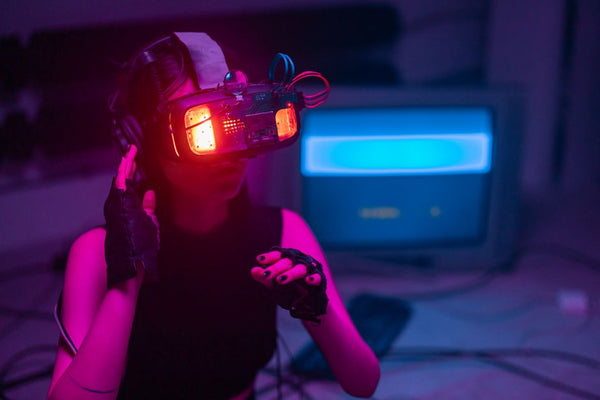
The woman helped shape brain-computer interface technology that could revolutionize gaming forever. We're talking about tech that makes your $400 mechanical keyboard look like a toy. But now? She's sitting in a courtroom being asked about personal relationships while the future of AI hangs in the balance.
Honestly, this reminds me of those builds where you spend months planning the perfect setup, then one component fails and takes everything down with it. Except instead of a failed PSU, it's... well, this situation.
When Professional and Personal Collide
Working in tech — whether you're at a local shop like ours here in Orange, TX or running a billion-dollar AI company — means your professional reputation is everything. You can't just ctrl+alt+delete your way out of messy personal situations when they affect billion-dollar lawsuits.
The court documents show Zilis was privy to conversations between Musk and OpenAI's leadership during those crucial early days. She had access to emails, strategy discussions, and internal documents that are now central to this legal battle. That's not just insider information — that's the kind of access that makes or breaks entire companies.
But here's the thing that's bugging me: how do you separate what you knew professionally from what you knew personally when those lines got this blurred?
The Gaming Technology Angle Everyone's Missing
While everyone's focused on the drama, let's talk about what this actually means for gaming technology. Neuralink's brain-computer interface could theoretically eliminate input lag entirely. Imagine playing competitive Valorant where your thoughts translate directly to actions. No more blaming your 144Hz monitor or your gaming mouse — just pure, unfiltered reaction speed.
Zilis was instrumental in developing these interfaces. Her testimony today revealed insights into Neuralink's timeline that most of us in the tech community never had access to. Apparently, they're closer to consumer applications than anyone realized.
The irony? While she's dealing with this courtroom circus, the technology she helped develop is advancing rapidly. Recent trials show response times under 50 milliseconds for basic commands. That's faster than most gaming peripherals.
The Numbers Don't Lie
Neuralink's latest trials achieved 95.7% accuracy in translating neural signals to digital commands. For context, that's better accuracy than most gamers achieve with traditional inputs.
But here's my hot take: this entire situation is exactly why mixing business with personal relationships in tech is generally a terrible idea. You end up with situations where your biggest asset becomes your biggest liability overnight.
What This Means for the AI Wars
The Musk v. Altman case isn't just about two billionaires having a disagreement. It's about the future of artificial intelligence development, and Zilis's testimony could significantly impact the outcome. Her knowledge of early OpenAI discussions and Musk's involvement could determine whether OpenAI maintains its current trajectory or faces major restructuring.
Personally, I think this case is going to reshape how AI companies handle internal communications and partnerships. When I'm helping customers build their custom gaming PCs, we keep everything documented and professional precisely to avoid these kinds of complications.
The testimony revealed that Musk was apparently much more involved in OpenAI's early direction than previously disclosed. Zilis had access to communications showing strategic decisions that could prove crucial to the case's outcome.
The Technical Implications
Beyond the personal drama, Zilis's position at Neuralink gives her unique insights into how brain-computer interfaces might integrate with AI systems. The convergence of these technologies could create gaming experiences we've never imagined.
Think about it — instead of using a controller or keyboard, you could literally think your way through complex gaming scenarios. Real-time strategy games could become actual real-time experiences. The competitive gaming scene would be completely transformed.
But the regulatory and ethical frameworks for this tech are still being developed. Cases like this one could influence how brain-computer interfaces are regulated and deployed commercially.
The Fallout for Tech Leadership
What's really concerning me about this situation isn't just the immediate drama — it's what it says about leadership in major tech companies. When your key executives become legal liabilities, how do you maintain innovation momentum?
Neuralink's stock price has remained surprisingly stable throughout this ordeal, but employee morale and recruitment could suffer. Who wants to join a company where personal relationships with the CEO might land you in federal court?
The gaming industry has seen similar situations before. Remember when key developers left major studios due to personal conflicts? The technical knowledge they took with them set those companies back years.
In Zilis's case, she's not just any employee — she's one of the few people on Earth who truly understands both the technical and strategic aspects of brain-computer interface development. Losing her expertise, regardless of the circumstances, would be a massive blow to Neuralink's progress.
Looking Forward
The most frustrating part? This entire situation could have been avoided with better professional boundaries. It's like watching someone install a custom loop cooling system without proper planning — you know it's going to leak eventually.
But the tech will continue advancing regardless of courtroom drama. Other companies are developing competing brain-computer interfaces, and the gaming applications are too valuable to ignore. The question isn't whether this technology will revolutionize gaming — it's whether the pioneers will be around to see it happen.
Ngl, sitting in that courtroom today watching this unfold felt surreal. The future of gaming technology being discussed alongside personal relationship details? It's like watching a Black Mirror episode, except the stakes are real and the consequences will affect every gamer on the planet.
The trial continues next week. Maybe someone will finally ask Zilis the question everyone's thinking. But honestly? At this point, the damage to professional credibility might already be done, and that's the real tragedy here for all of us who care about where gaming technology is headed.




























Leave a Comment