


Dell's CEO Says Memory Demand Will Explode 625x by 2028 — Here's What That Means for Your Gaming Rig
Dell's CEO just dropped a bombshell that's got everyone in tech talking. According to Michael Dell himself, the total memory demand from the AI market in 2028 will be 625 times larger than it was in 2022. Six hundred and twenty-five times. Let that sink in for a hot second.
Now, before you start panic-buying RAM like it's toilet paper in 2020, let's break down what this actually means for us regular folks who just want to play Valorant without our frames dropping to PowerPoint presentation levels.
The AI Memory Appetite is Absolutely Bonkers
Here's the thing about AI workloads — they're memory-hungry beasts that make Chrome look modest. When I was configuring a build for someone at our shop in Orange, TX last week, they asked about future-proofing for AI stuff. Honestly? That conversation just got way more complicated.
Think about it this way: GPT-4 reportedly needs around 120GB of VRAM just to run inference. That's more memory than most of us have in our entire systems, including storage. These large language models aren't just using a few gigs here and there — they're consuming memory like a RTX 4090 consumes power under full load.
The numbers are genuinely insane. We went from AI being this niche thing that required specialized hardware to every company on the planet trying to cram AI into everything. Your toaster probably has an AI chip now.
What This Means for DRAM Prices
Remember the great RAM shortage of 2017? When 16GB kits were going for $200+ and everyone was losing their minds? Well, buckle up buttercup, because we might be looking at something way worse.
Basic economics says when demand goes up 625x and supply can't keep pace, prices are gonna get spicy. And by spicy, I mean potentially "sell a kidney to afford 32GB" levels of expensive.
The major memory manufacturers — Samsung, SK Hynix, Micron — they're already scrambling to build new fabs. But here's the kicker: building a new semiconductor fab takes 3-5 years and costs around $20 billion. That's not exactly something you can just spin up overnight.
Esports and Competitive Gaming: The Collateral Damage
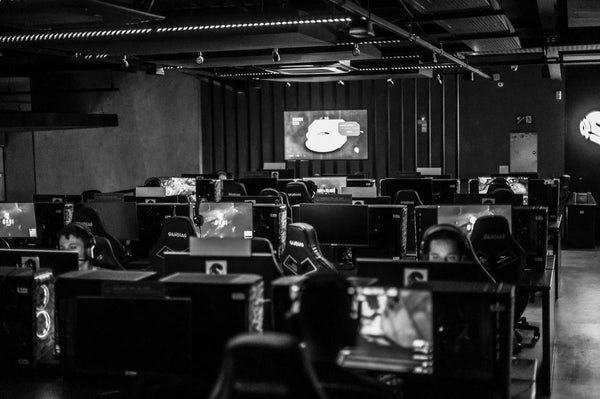
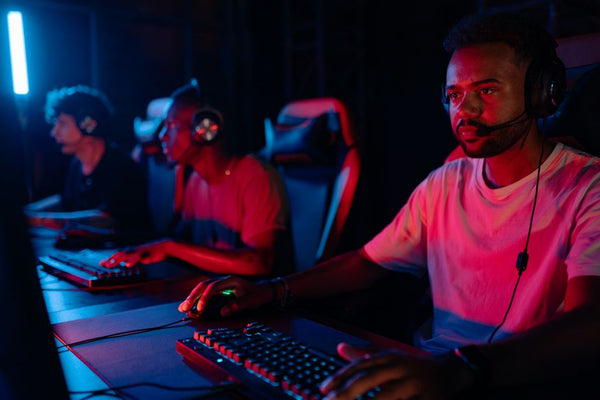
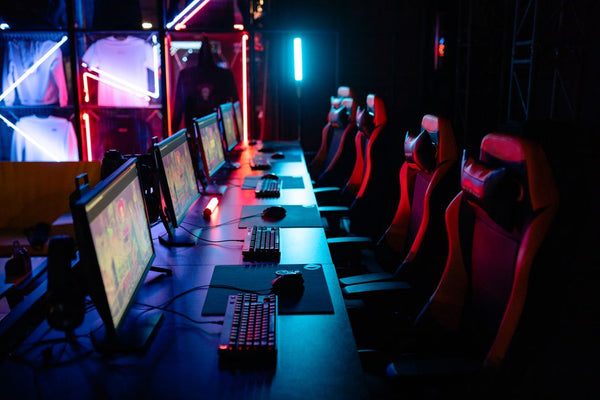
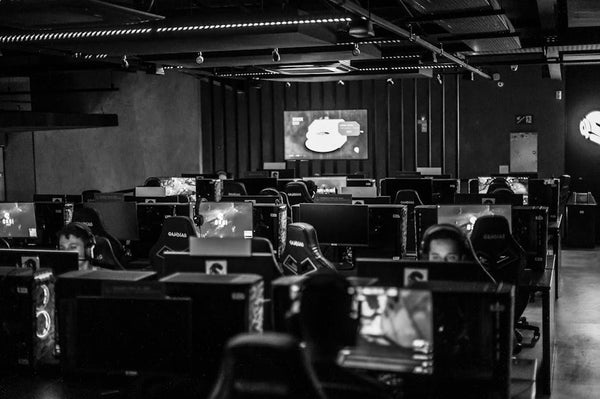
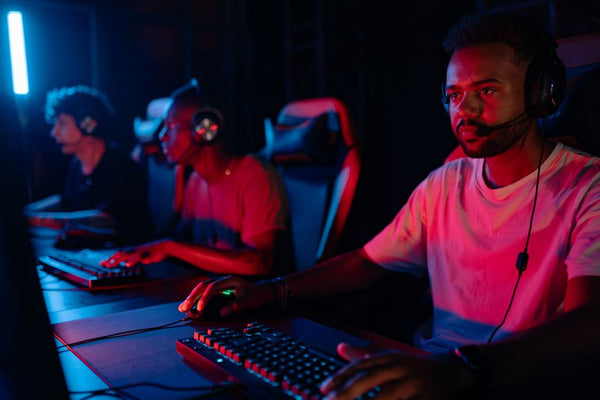
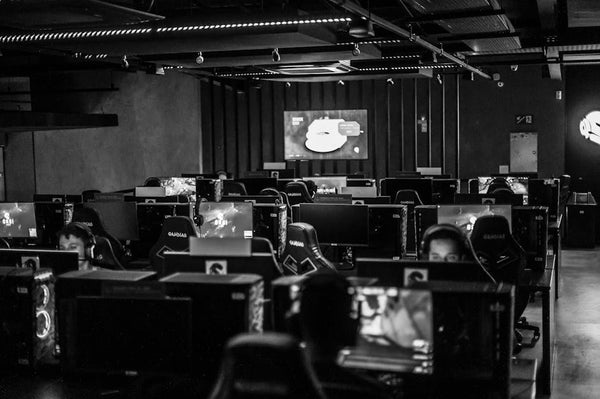
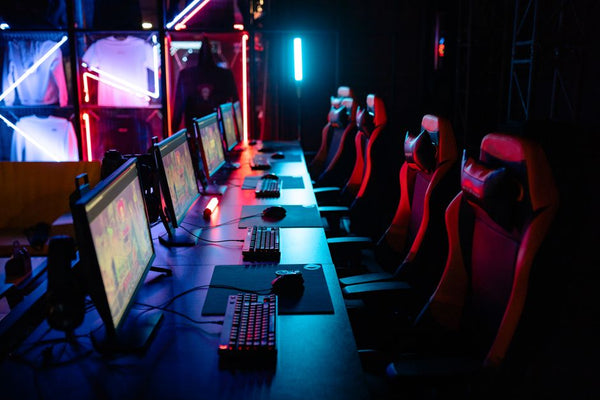
Now here's where it gets really fun for us gamers. Esports professionals and competitive gaming enthusiasts are gonna feel this squeeze hard. Pro gaming setups already require ridiculous amounts of RAM for streaming, recording, and running multiple monitoring applications simultaneously.
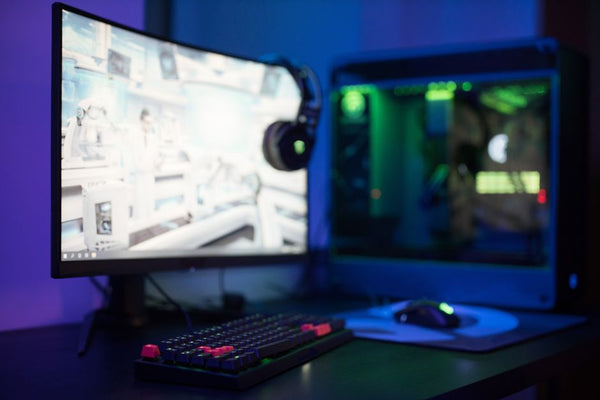
Your average CS2 pro isn't just running the game — they've got OBS capturing at 1440p, Discord running, maybe Spotify, browser tabs for match analysis, and whatever anti-cheat software is consuming resources in the background. That easily pushes you into 32GB territory, and some are already looking at 64GB for future-proofing.
But if memory prices go through the roof? Teams might have to make some tough choices. Do you buy that 64GB kit for $800, or do you stick with 32GB and hope it's enough?
The Gaming Performance Reality Check
Hot take: most gamers don't actually need more than 16GB of RAM right now. Yeah, I said it. Fight me in the comments.
I've tested dozens of gaming scenarios, and outside of specific use cases like heavy modding (looking at you, Skyrim with 400 mods), most games still run perfectly fine on 16GB. Even demanding titles like Cyberpunk 2077 with RT enabled typically use around 12-14GB total system memory.
The real memory hogs aren't the games themselves — it's everything else you're running. Chrome with 47 tabs open (don't lie, we've all been there), streaming software, Discord, that crypto miner you definitely don't have running in the background.
The Server Market is Where Things Get Crazy
Here's where Dell's prediction gets really interesting. The bulk of this 625x increase isn't coming from gaming PCs or even workstations. It's data centers and AI training clusters that are gonna consume memory like there's no tomorrow.
A single AI training cluster can require hundreds of terabytes of memory. NVIDIA's DGX H100 systems come with 640GB of memory per node, and these clusters can have thousands of nodes. Do the math — that's petabytes of memory for a single installation.
Companies like OpenAI, Google, and Meta are building these massive AI training facilities that make Bitcoin mining farms look like hobby projects. Each one of these facilities needs more memory than entire countries used just a few years ago.
Memory Technology is Hitting Physical Limits
Ngl, we're starting to bump up against some serious physics problems. Current DDR5 is already pushing manufacturing processes pretty hard, and there's only so much you can shrink transistors before quantum effects start messing with your day.
The industry is looking at alternatives like HBM (High Bandwidth Memory) and even more exotic solutions, but these aren't exactly gonna show up in consumer systems anytime soon. HBM costs about 10x more per GB than regular DDR5, so unless you're planning to take out a second mortgage for your gaming rig, that's not happening.
Personally, I think we're gonna see a major shift in how memory is architected. Maybe we'll finally get those storage-class memory solutions that have been "just around the corner" for the last decade.
What Should Gamers Actually Do?
Alright, enough doom and gloom. Let's talk practical advice for anyone building a gaming system in the next few years.
First, if you're building right now and have the budget, 32GB is probably the sweet spot. Not because you need it today, but because you might not want to pay 2025 prices for that upgrade. DDR5-5600 32GB kits are going for around $120-150 right now, which is honestly pretty reasonable.
Second, don't go crazy chasing the highest speed memory. The performance difference between DDR5-5600 and DDR5-7200 in gaming is usually around 2-5%. Save your money for a better GPU instead.
And honestly? If you're on a tight budget, 16GB is still totally fine for gaming. Just maybe don't stream to Twitch while running 4K texture packs and expect everything to be smooth.
The Epic Build Consideration
If you're looking at those Epic-Tier BitCrate builds ($2k+), memory allocation becomes way more important. At that price point, you're probably doing more than just gaming — content creation, streaming, maybe some AI experimentation of your own.
For high-end builds, I'd seriously consider 64GB if the budget allows. It sounds like overkill now, but remember when people said the same thing about 1GB of RAM?
The Wild Card: Memory Compression and Smart Allocation
Here's something that doesn't get talked about enough — software solutions might save us from this memory apocalypse. Modern operating systems are getting way better at memory compression and intelligent allocation.
Windows 11's memory management is actually pretty solid, and Linux has been doing crazy efficient memory handling for years. Apple's unified memory approach on their M-series chips shows that you can do a lot with less if you're smart about it.
Gaming engines are also getting more efficient. Unreal Engine 5's Nanite virtualized geometry means you're not loading entire massive textures into memory anymore — just the parts you actually need.
But will software optimization keep pace with AI's appetite for memory? That's the million-dollar question. Or in this case, maybe the billion-dollar question.
The next few years are gonna be wild for anyone building PCs. Dell's prediction might be spot-on, or it might be the kind of corporate fear-mongering that gets investors excited and consumers panicked. Either way, if you've been putting off that memory upgrade, you might want to pull the trigger sooner rather than later. Because if Michael Dell is right, 2028's memory prices are gonna make today's GPU market look like a Black Friday sale.



























Leave a Comment