


Pokemon TCG Investing: Which Cards Actually Hold Their Value?
Remember when Pokemon cards were just something kids traded at lunch? Well, plot twist – that Charizard you tossed in a shoebox might've been worth more than your first car. The Pokemon TCG market has exploded into serious investment territory, but here's the thing everyone's getting wrong: not all shiny cards are created equal.
I've watched countless customers at TieredUp Tech in Orange, TX get starry-eyed over the latest chase cards, dropping hundreds on singles that tank in value faster than my GameStop stock options did. So let's talk real numbers and real value retention, because your wallet deserves better than hype-driven purchases.
The Golden Rules of Pokemon TCG Card Investing
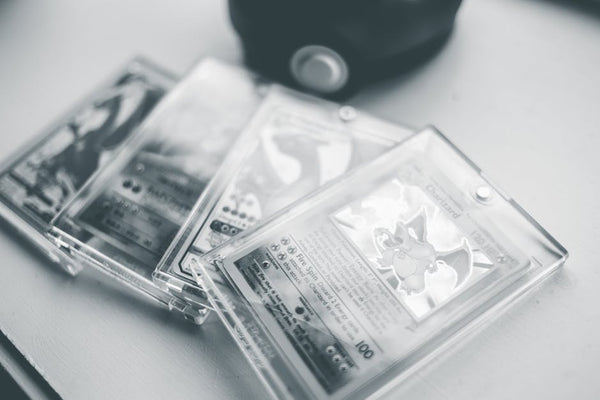
First off, condition is everything. I mean everything. A Near Mint Base Set Charizard from 1998 sold for $350,000 in 2022. That same card in Played condition? Maybe $3,000 on a good day. It's honestly brutal how much condition matters, but that's your reality check right there.
Hot take: most people don't understand what makes a Pokemon card investment-worthy. They see Gary Vee buying a card for six figures and think every holographic Pikachu is their retirement plan. Nah, friend. Value retention comes down to three factors that actually matter.
Scarcity Actually Matters (Unlike What YouTube Says)
Everyone talks about "rare cards" but they're usually talking about pull rates, not actual scarcity. Here's what I've learned from tracking market trends: tournament promos and error cards consistently outperform regular rare pulls. The 1998 Pikachu Illustrator sold for $5.275 million because only 23-39 copies exist worldwide. Compare that to modern alternate arts that get printed into oblivion.
Want actual scarcity numbers? Look at PSA population reports. If there are 50,000+ PSA 10 copies of your "investment," you're not investing – you're gambling on temporary hype.
First Edition Base Set: Still the King?
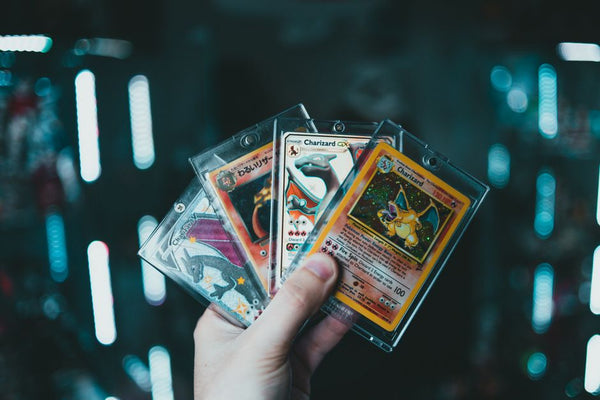
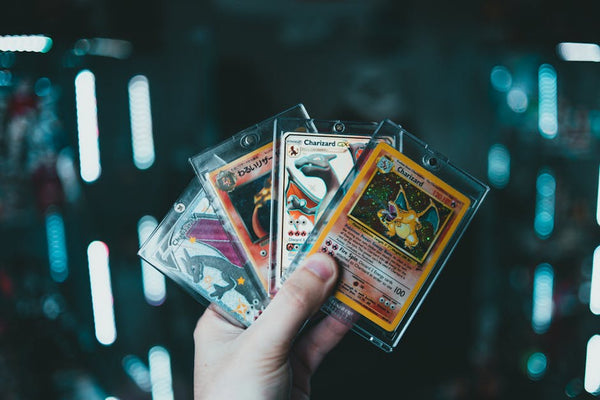
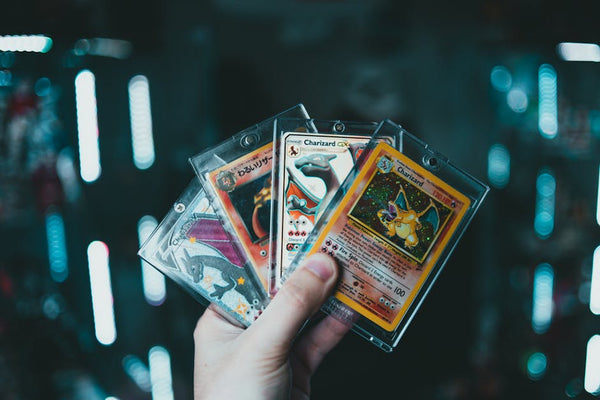
Personally, I think Base Set cards are overvalued right now, but I can't argue with the numbers. The big three – Charizard, Blastoise, and Venusaur – have shown consistent growth even during market corrections. Charizard PSA 10 copies average $15,000-25,000 depending on market conditions. That's down from peak pandemic pricing, but still solid compared to most modern cards.
But here's where it gets interesting: other First Edition Base Set holos are criminally undervalued. Magneton, Raichu, even Gyarados – these trade for $500-1,500 in PSA 10 but represent the same nostalgia and scarcity factors. Why pay Charizard premiums when you can diversify?
Modern Pokemon TCG: Separating Hype from Value
Modern cards are tricky territory. The print runs are massive compared to vintage, but certain cards have surprised everyone with their staying power. Japanese alternate arts consistently outperform English versions – something about that Japanese market demand just hits different.
Which Modern Sets Actually Matter?
From my experience tracking sales data, these modern cards have shown legitimate value retention:
- Hidden Fates Shiny Charizard GX (around $800-1,200 for PSA 10)
- Champions Path Charizard VMAX Rainbow Rare ($600-900 range)
- Any Logan Paul-adjacent card (I hate typing that, but money talks)
Everything else? Tbh, most modern chase cards lose 60-80% of their peak value within six months. That $400 Moonbreon everyone went crazy for? It's sitting around $150 now. Market dynamics are brutal when supply catches up to demand.
The Japanese Premium Nobody Talks About
Here's something most American collectors miss: Japanese exclusive promos consistently hold value better than their English counterparts. The 2019 Boss's Orders Lysandre promo trades for $2,000+ because it was only distributed at specific Japanese events. Meanwhile, similar English promos might hit $200 max.
Why does this happen? Japanese collectors treat cards differently – they buy to hold, not flip. Cultural differences in collecting create more stable markets.
The Cards Everyone Sleeps On
You want my real insider take? Stop chasing Charizards and start looking at these categories that consistently outperform expectations:
Trainer Cards with Iconic Art
Professor Oak First Edition goes for $800-1,500 in PSA 10. Computer Search hits $600-1,000. These aren't exciting pulls, but they're essential pieces of Pokemon history that serious collectors need. Lower supply, consistent demand.
Error Cards Are Underrated Gold
The market hasn't figured out error cards yet, which makes them perfect for patient investors. I'm talking about legitimate printing errors, not damaged cards. The "d" edition Butterfree with the wrong attack cost trades for 3x normal price. Jungle "No Rarity Symbol" Electrode can hit $2,000+ in high grades.
Honestly, error cards stress me out because authentication is complex, but the upside potential is massive when you get them right.
What About Modern Investing Strategies?
Look, I'm not gonna lie to you – modern Pokemon TCG investing is mostly gambling with extra steps. Print runs are huge, distribution is global, and hype cycles burn out fast. But if you're determined to play this game, here's what actually works:
Focus on true first print Japanese releases. English "first editions" aren't really first anymore since Japan gets everything months earlier. Japanese cards also have better print quality, which matters for grading.
Tournament cards from major events hold value better than retail releases. The 2019 World Championships Mewtwo & Mew GX still trades above $300 because supply is actually limited to tournament participants.
The Grading Game Changes Everything
Here's where things get expensive fast: professional grading isn't optional anymore for serious values. A raw Base Set Charizard might be worth $1,000, but that same card graded PSA 10 jumps to $15,000+. The grading premium is insane, but it's market reality.
PSA and BGS dominate the market, but their turnaround times and costs make smaller investments impractical. You're looking at $50+ per card plus months of waiting. Only grade cards worth $200+ raw, or you're burning money on fees.
The Uncomfortable Truth About Pokemon Card Values
Can we be honest about something? Most Pokemon "investing" is really just expensive nostalgia. The people dropping serious money on Base Set cards aren't coldly calculating ROI – they're buying childhood memories. And you know what? That's totally valid, but call it what it is.
The sustainable value comes from cards that hit multiple criteria: genuine scarcity, iconic status, and collector demand that goes beyond temporary hype. That's why certain vintage cards keep climbing while modern chase cards crater after their initial pump.
Does this mean modern cards are worthless? Not exactly, but the winners and losers separate fast. If you're buying modern Pokemon cards as investments, you better be ready to sell into hype or hold for decades. There's not much middle ground.
The Pokemon TCG market isn't going anywhere – it's too big, too global, and too tied to childhood memories. But the easy money period is over. Now it takes real knowledge, patience, and honestly, a bit of luck to pick winners. At least when you're sorting through those Pokemon TCG options, you know what to look for beyond the shiny surface.








Leave a Comment