


Marathon's Time Loop: Why 1994's FPS Classic and 2026's Revival Share the Same DNA
Playing Marathon Infinity while waiting for Bungie's upcoming Marathon reboot has me feeling like I'm stuck in some weird temporal loop. The 30-year gap between these games represents the entire evolution of FPS design, yet I keep finding myself doing the exact same things in both.
Hear me out. Yeah, one's a pixelated Macintosh classic with tank controls, the other's a slick extraction shooter built for modern hardware. But strip away the graphics and core mechanics? They're asking for identical skills.
Map Knowledge is Everything
Marathon taught me that memorizing layouts wasn't just helpful—it was survival. Those labyrinthine space stations didn't give you a minimap or quest markers. You learned every corridor, every secret door, every terminal location through pure repetition and pain.
The 2026 version? Same energy, different execution. These extraction maps are massive, complex environments where knowing the optimal routes between objectives can make or break your run. Sure, you've got a compass and teammates calling out positions, but the players dominating early access already have every building, every sightline, every rotation memorized.
I spent last weekend helping a customer at our Orange, TX shop optimize their rig for the Marathon playtest, and we got talking about this exact thing. Guy was coming from Apex Legends expecting fast rotations and third-party chaos. But Marathon rewards the patient player who knows where the good loot spawns and how to move between zones without getting picked off.
Terminal Addiction Never Left
Classic Marathon had those green terminal screens everywhere. Reading lore, getting objectives, piecing together the AI Durandal's increasingly unhinged messages. Half the game happened in text form.
Modern Marathon swapped terminals for environmental storytelling and voice lines, but that same obsessive lore hunting is still there. Players are already dissecting every audio log, every piece of concept art, every hint about the simulation we're supposedly trapped in. The community's thirst for narrative depth hasn't changed one bit.
Movement Separates Good Players from Great Ones
Original Marathon had this weird physics quirk where you could rocket jump and grenade hop your way to unintended areas. Not exactly intentional game design, but skilled players exploited every pixel of movement potential.
Fast forward three decades. Marathon 2026's movement system is deliberately designed around advanced techniques—slide canceling, wall running, momentum preservation. What used to be accidental skill expression is now core to high-level play.
The muscle memory transfers too, which is wild. My fingers still want to strafe-run everywhere even though modern Marathon has actual sprint mechanics. Old habits die hard when they're burned into your nervous system from thousands of hours of Classic FPS grinding.
Weapon Mastery vs Meta Chasing
Here's where things get interesting. Classic Marathon had maybe eight weapons total, but each one had distinct use cases and quirks you needed to master. The fusion pistol's charge mechanics, the rocket launcher's blast radius, the alien weapon's limited ammo—every tool mattered.
New Marathon has way more weapon variety, but honestly? The design philosophy feels identical. Each gun has specific range brackets and situational advantages. You can't just pick up the meta weapon and expect to dominate. You need to understand projectile drop, damage falloff, reload timing.
Personally, I think this is where Bungie's DNA really shows through. They've always been about weapons that feel fundamentally different from each other, not just stat variations of the same archetype.
AI Enemies vs Human Psychology
This might be the biggest shift between the two games, but the core challenge remains weirdly similar. Classic Marathon's Pfhor aliens had predictable but dangerous AI patterns. You learned to bait them into specific behaviors, use geometry against them, exploit their pathfinding.
Human opponents in 2026's Marathon are obviously more unpredictable, but successful players still rely on reading patterns and exploiting psychology. Camping common angles, baiting aggressive pushes, using sound cues to predict enemy movements—it's pattern recognition all the way down.
Hot take: dealing with that one teammate who always rushes solo and dies early is basically the same skill as managing Marathon's friendly AI marines who'd constantly walk into your line of fire.
The Grind Changes, The Obsession Doesn't
Back in '94, progression meant finding secret areas, collecting all the terminals, maybe speedrunning levels for personal bests. Pretty simple loop, but it kept people playing for years.
Modern Marathon wraps the same core loop in extraction mechanics, battle passes, cosmetic unlocks, ranked systems. The carrot-and-stick got way more sophisticated, but that underlying "one more run" mentality? Identical.
I'm honestly not sure if this is good or bad. The old game respected your time more—you played until you were done, then you were done. New Marathon wants to be your main game forever, which... we'll see how that goes.
Hardware Demands Across Three Decades
Running Marathon on a Quadra 630 in 1994 required serious hardware commitment. We're talking $2,000+ for a decent Mac setup, which was real money back then.
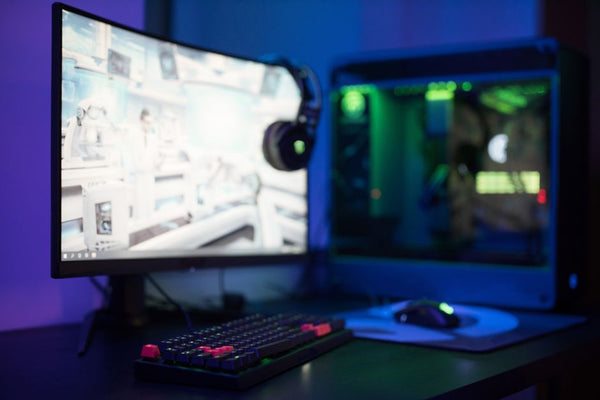
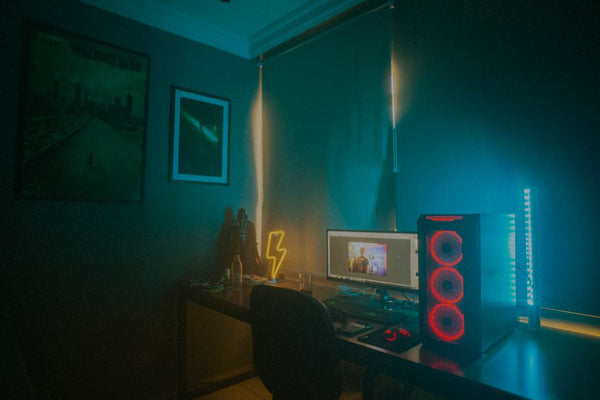
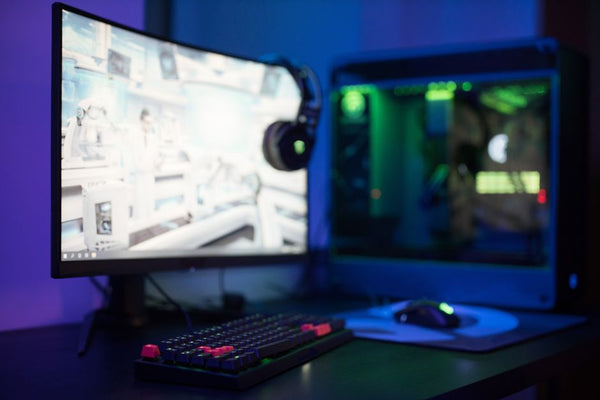
Today's Marathon needs equally serious specs if you want competitive performance. RTX 4080 territory for solid 1440p framerates, good CPU for the extraction gameplay systems. The Epic-Tier BitCrate builds ($2k+) we put together hit that sweet spot, but point remains—cutting-edge Marathon has always demanded cutting-edge hardware.
Some things never change, I guess.
Community Muscle Memory
The Marathon community kept the original games alive through sourceports, mods, and fan-made content for thirty years. These aren't casual players—they're obsessive fans who've been waiting for vindication.
Watching them adapt to the new game has been fascinating. Yeah, there's some old-school gatekeeping happening. But mostly I'm seeing veteran players applying decades of accumulated knowledge to completely different mechanics and still finding success.
That kind of institutional knowledge doesn't just disappear because you change the graphics engine.
The Verdict on Time Travel
Playing both Marathon games simultaneously feels like having a conversation across time with the same person who's gone through decades of therapy. The core personality is identical, but the expression has gotten way more sophisticated.
Is that good? Depends what you want from your FPS games. Classic Marathon respects your intelligence and doesn't hold your hand. Modern Marathon gives you more tools but expects more commitment.
Either way, we're looking at the rare franchise that genuinely understands what made it special in the first place. Whether Bungie can stick the landing on the full 2026 release remains to be seen, but the bones are definitely there.
Time will tell if the simulation is worth escaping twice.


Leave a Comment